
Can You Wear Jewellery in the Sea?
Many people wonder whether it is safe to wear jewellery while swimming in the sea. Salt water can be harsh on certain metals, and some types of jewellery may tarnish or lose their finish after repeated exposure.
However, not all jewellery reacts to water in the same way. Some materials are naturally more resistant to corrosion, making them better suited for everyday wear, even when exposed to moisture.
Understanding how different metals behave in salt water can help you choose jewellery that fits comfortably into your lifestyle without needing to remove it constantly.
Why Salt Water Can Affect Jewellery
Sea water contains salt and minerals that can accelerate the oxidation process in certain metals. When jewellery is repeatedly exposed to salt water, the surface of the metal may gradually react with these elements.
For some materials, this can cause:
• tarnishing
• fading of gold plating
• discolouration
This is why many traditional fashion jewellery pieces are not recommended for swimming or regular exposure to water.
Jewellery Materials That Handle Sea Water Better
Some metals are naturally more durable and resistant to corrosion, which makes them more suitable for everyday jewellery.

Stainless Steel
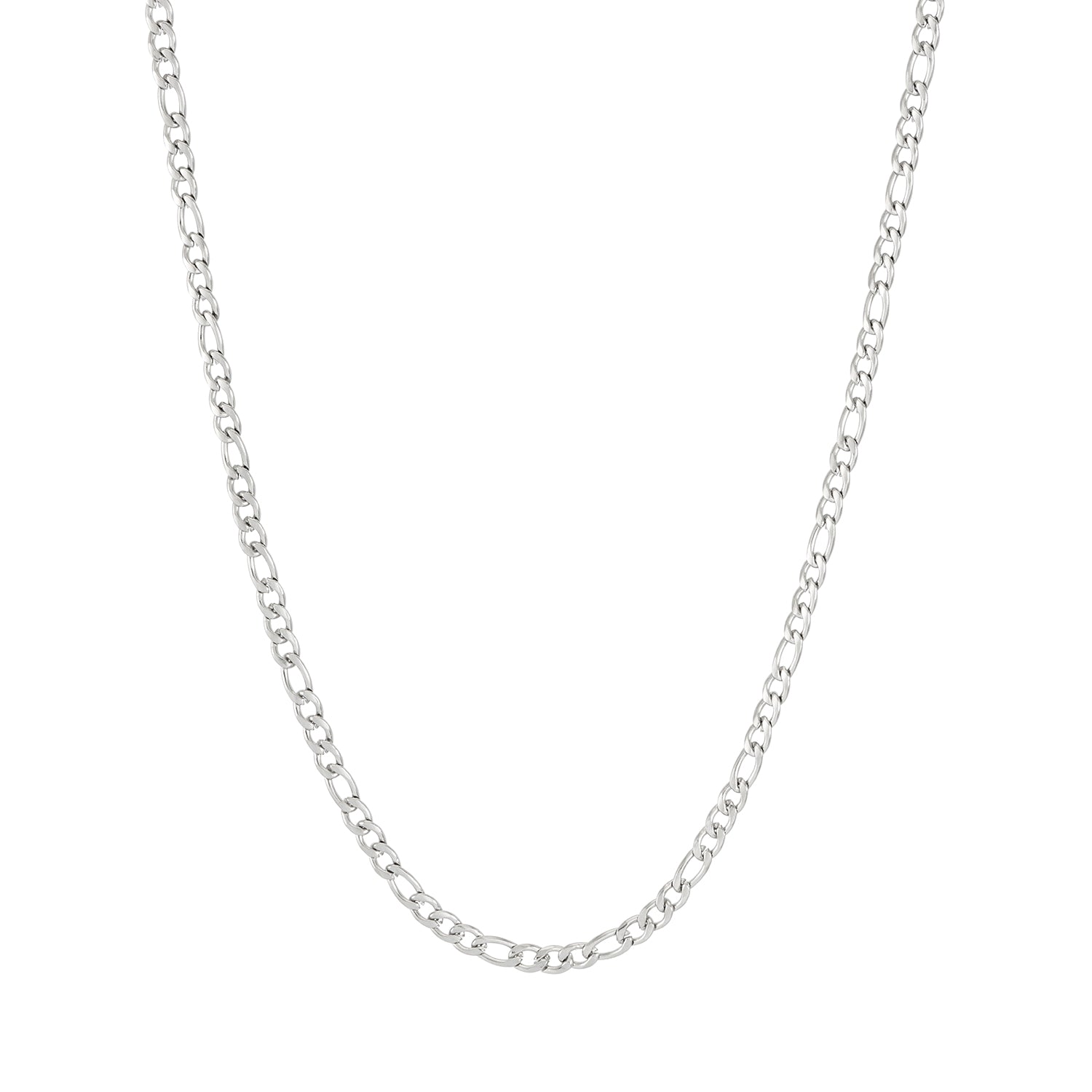
Stainless steel is widely used in modern jewellery because it is strong, durable and resistant to rust and corrosion. High-quality stainless steel jewellery can tolerate moisture much better than many traditional fashion jewellery materials.

Solid Gold
Solid gold jewellery is also resistant to corrosion and does not rust. However, solid gold pieces are usually much more expensive and are often reserved for fine jewellery collections.
Jewellery That Should Not Be Worn in the Sea
Some jewellery materials can react quickly to salt water and may lose their appearance over time.
These include:
• brass
• copper
• thin gold-plated fashion jewellery
• mixed metal costume jewellery
Repeated exposure to sea water may cause these materials to tarnish or fade more quickly.

Jewellery Designed for Everyday Wear
For people who prefer jewellery they can wear throughout their day without constantly removing it, choosing durable materials becomes especially important.
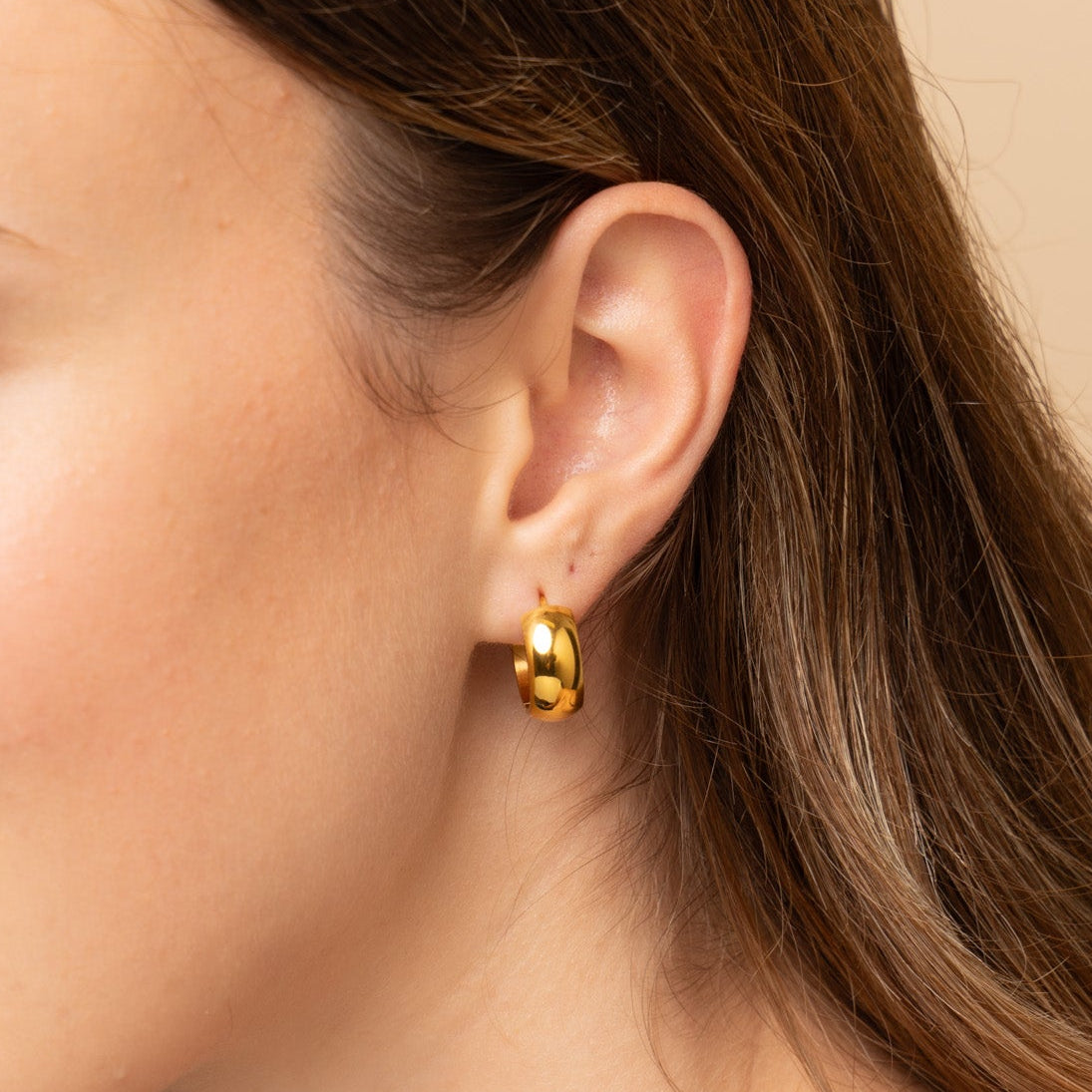
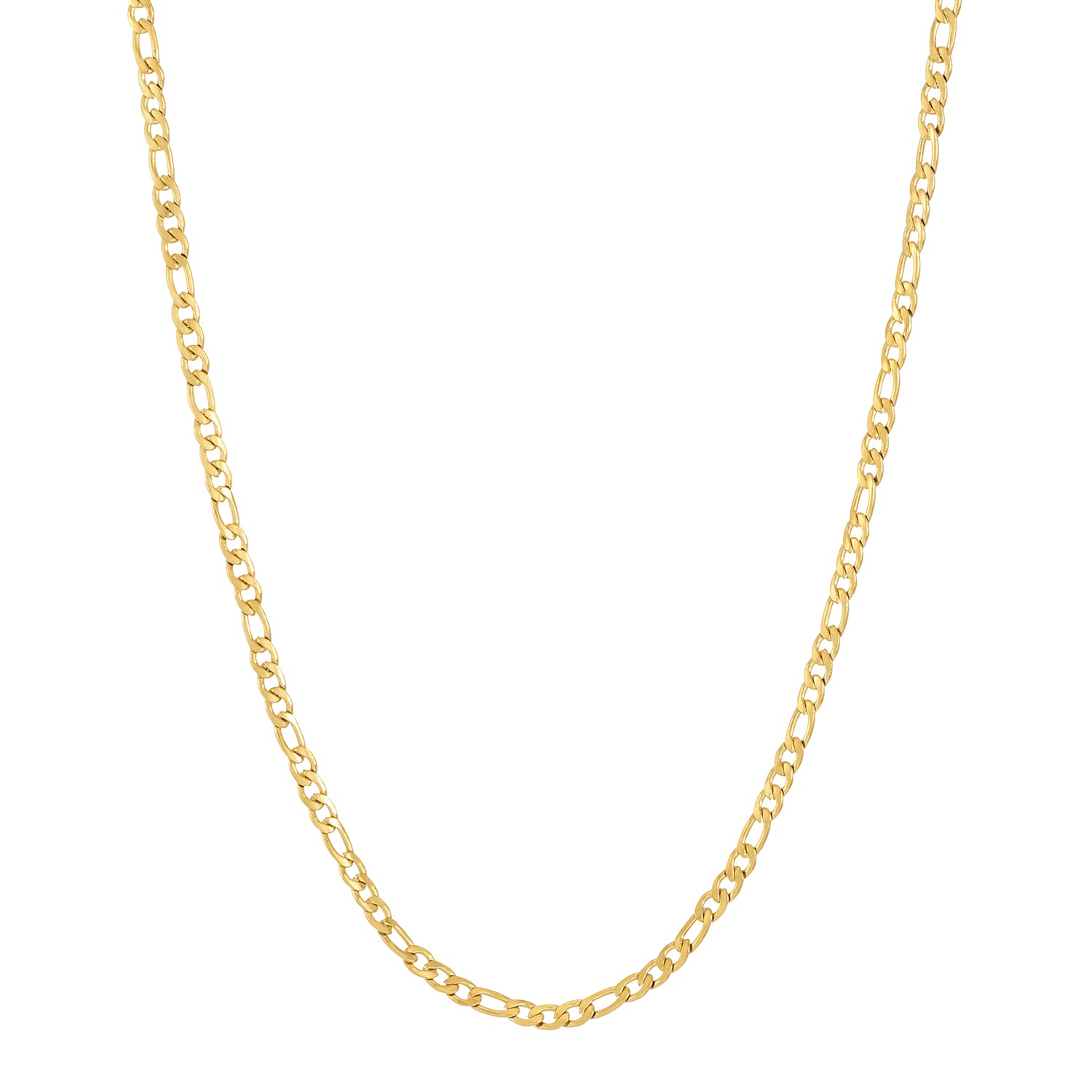
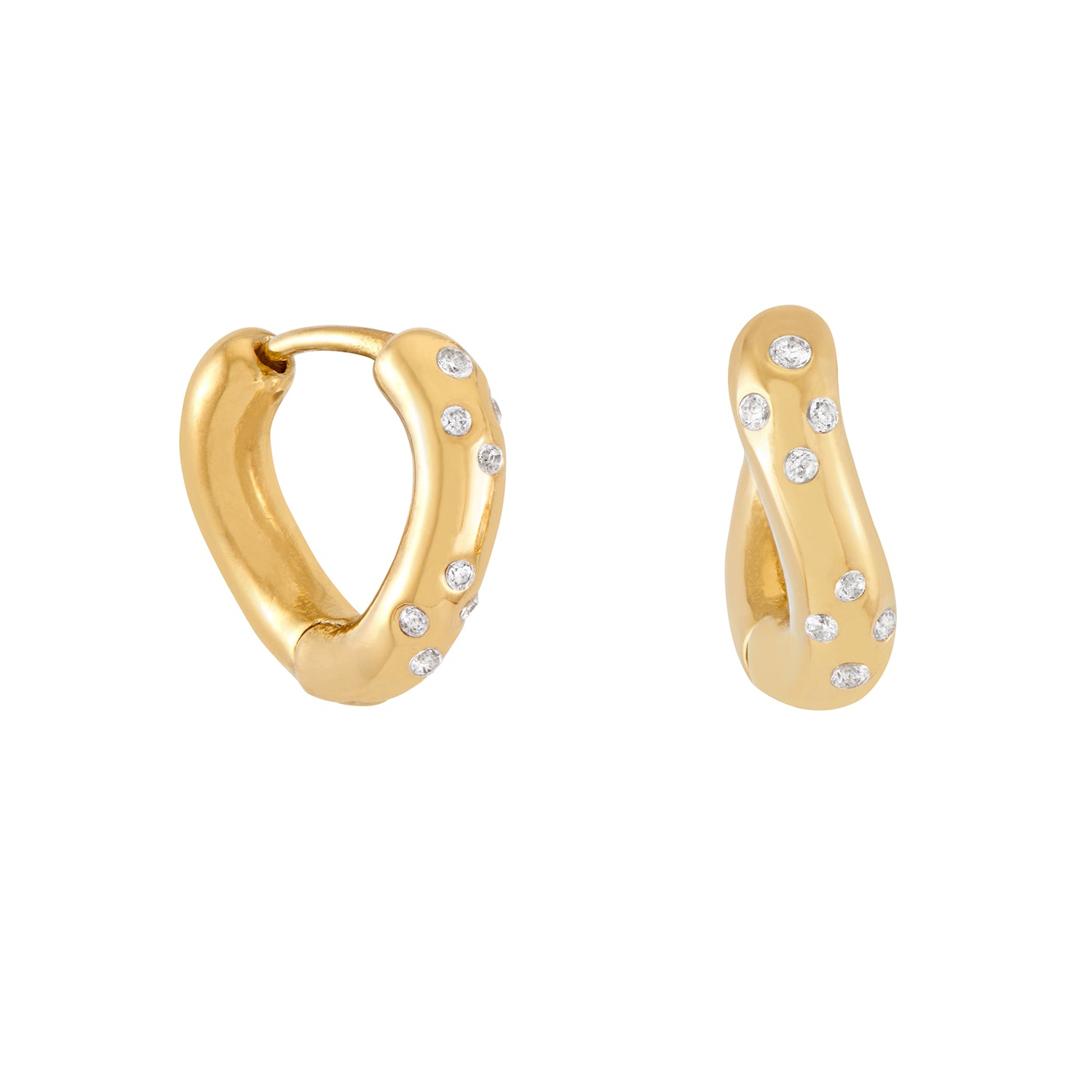
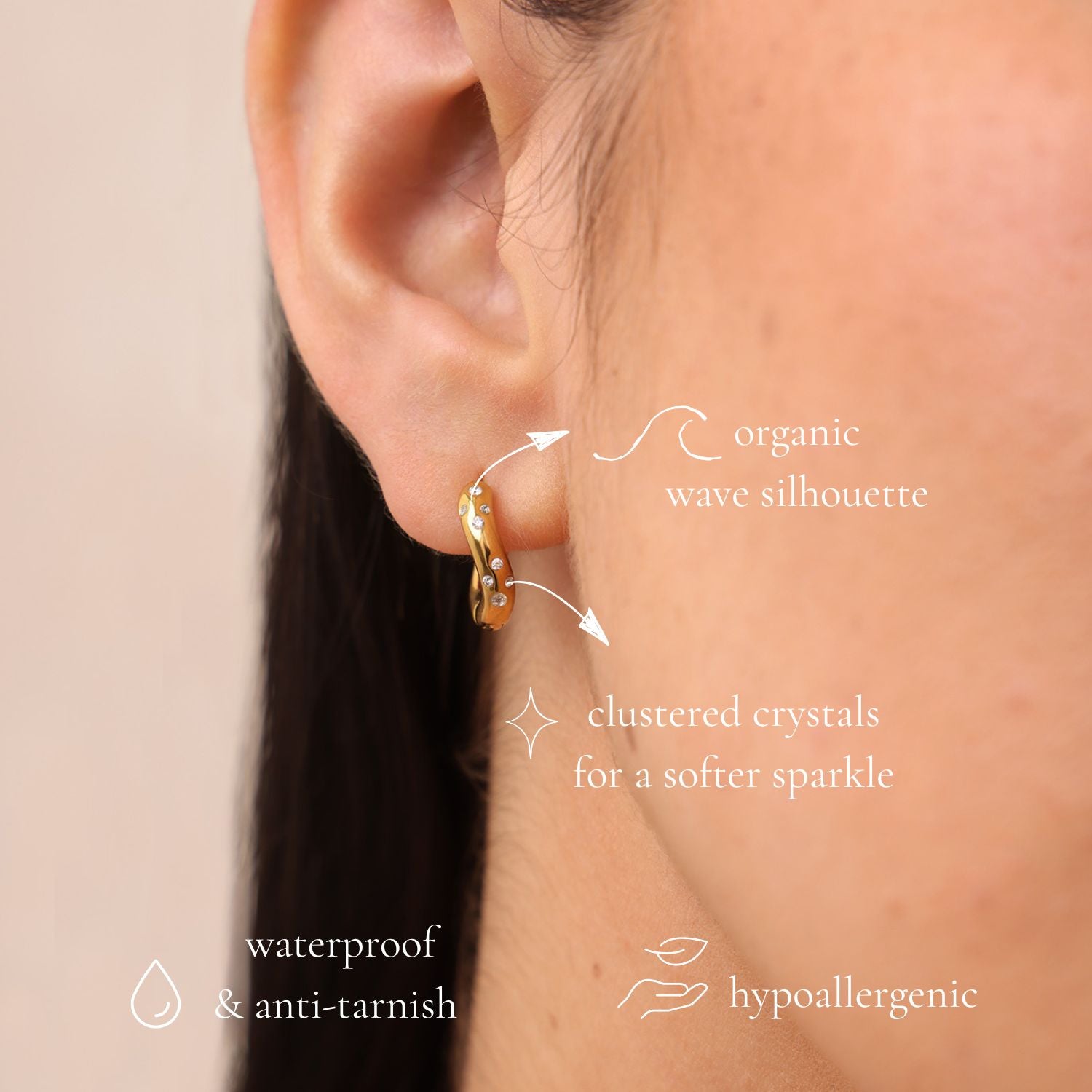
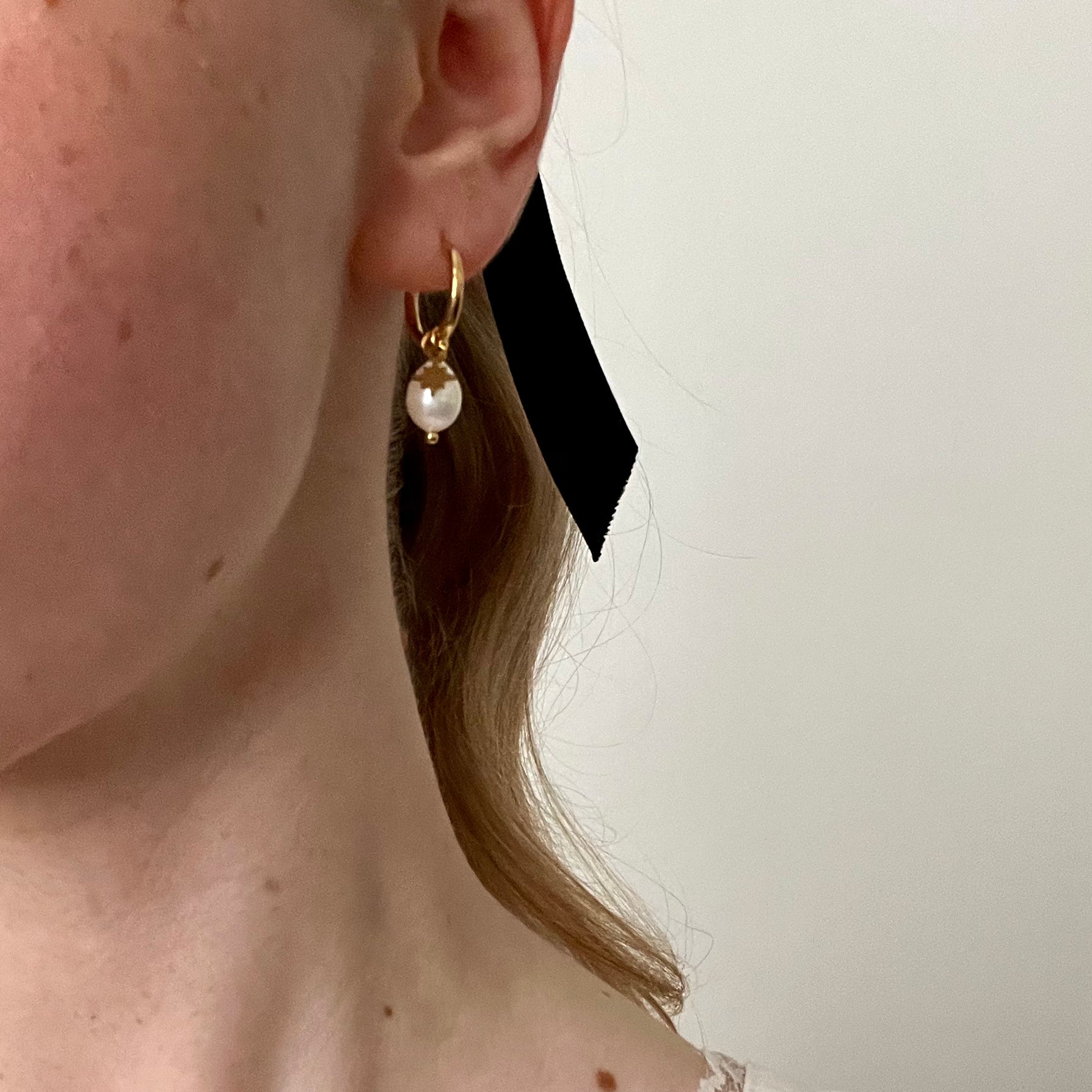
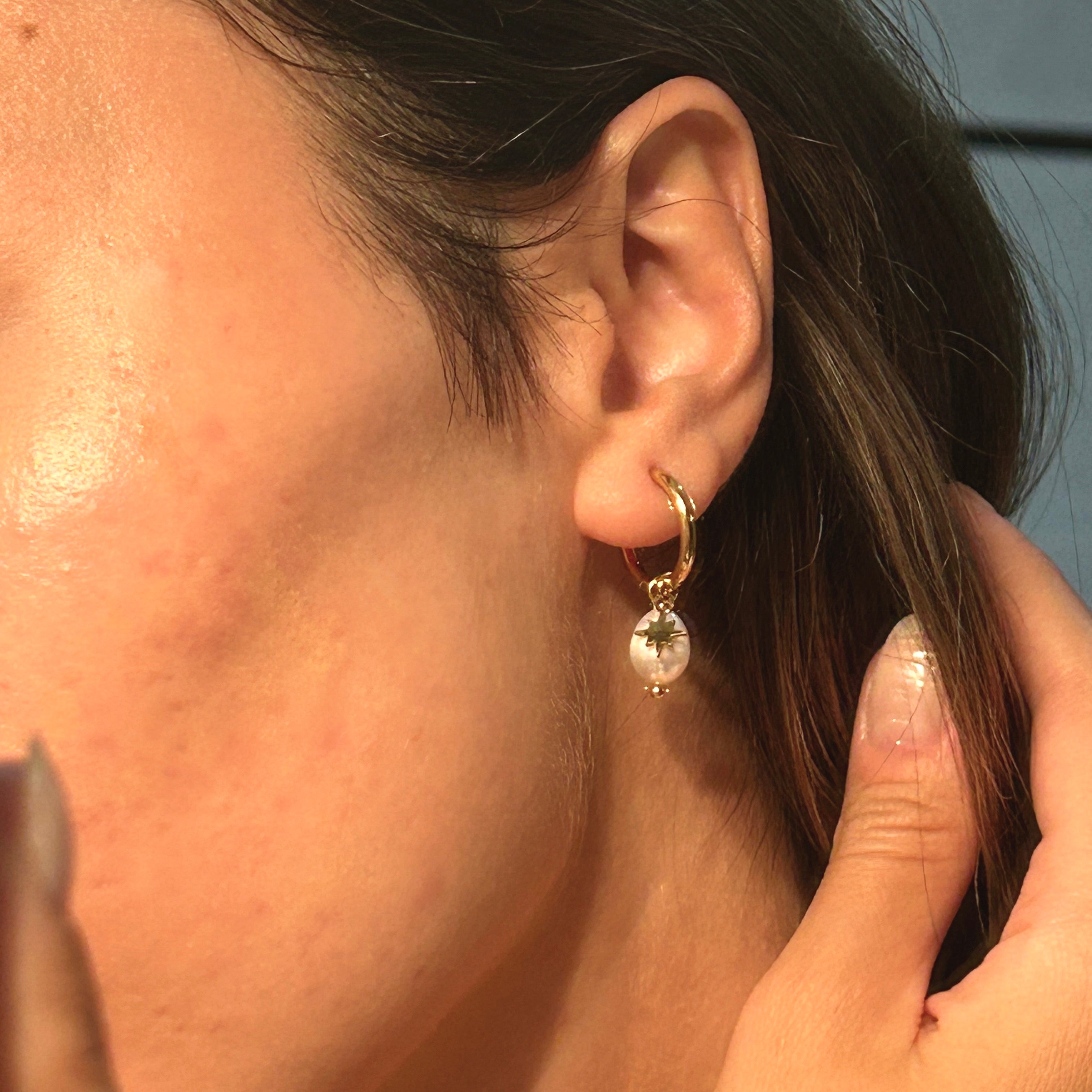
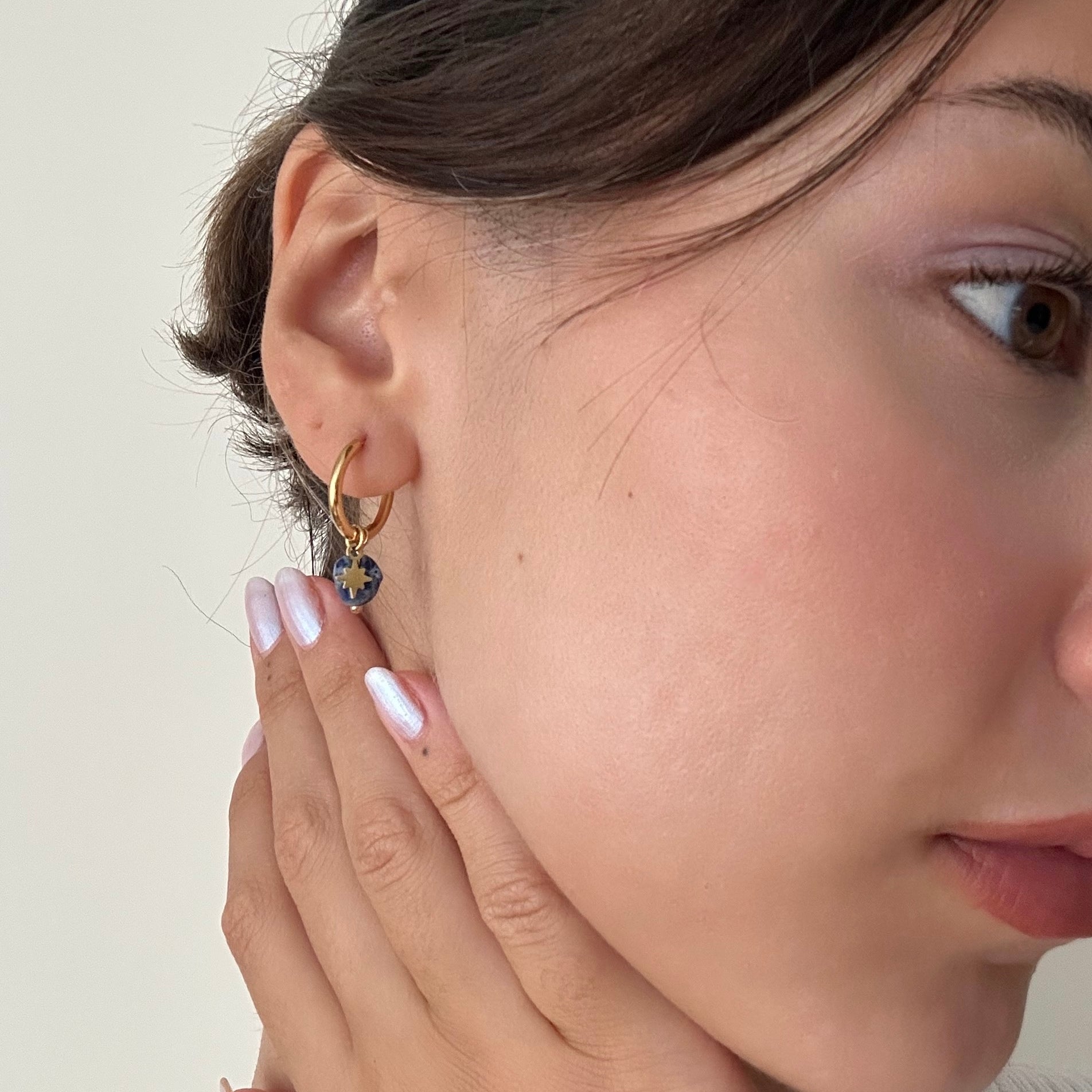
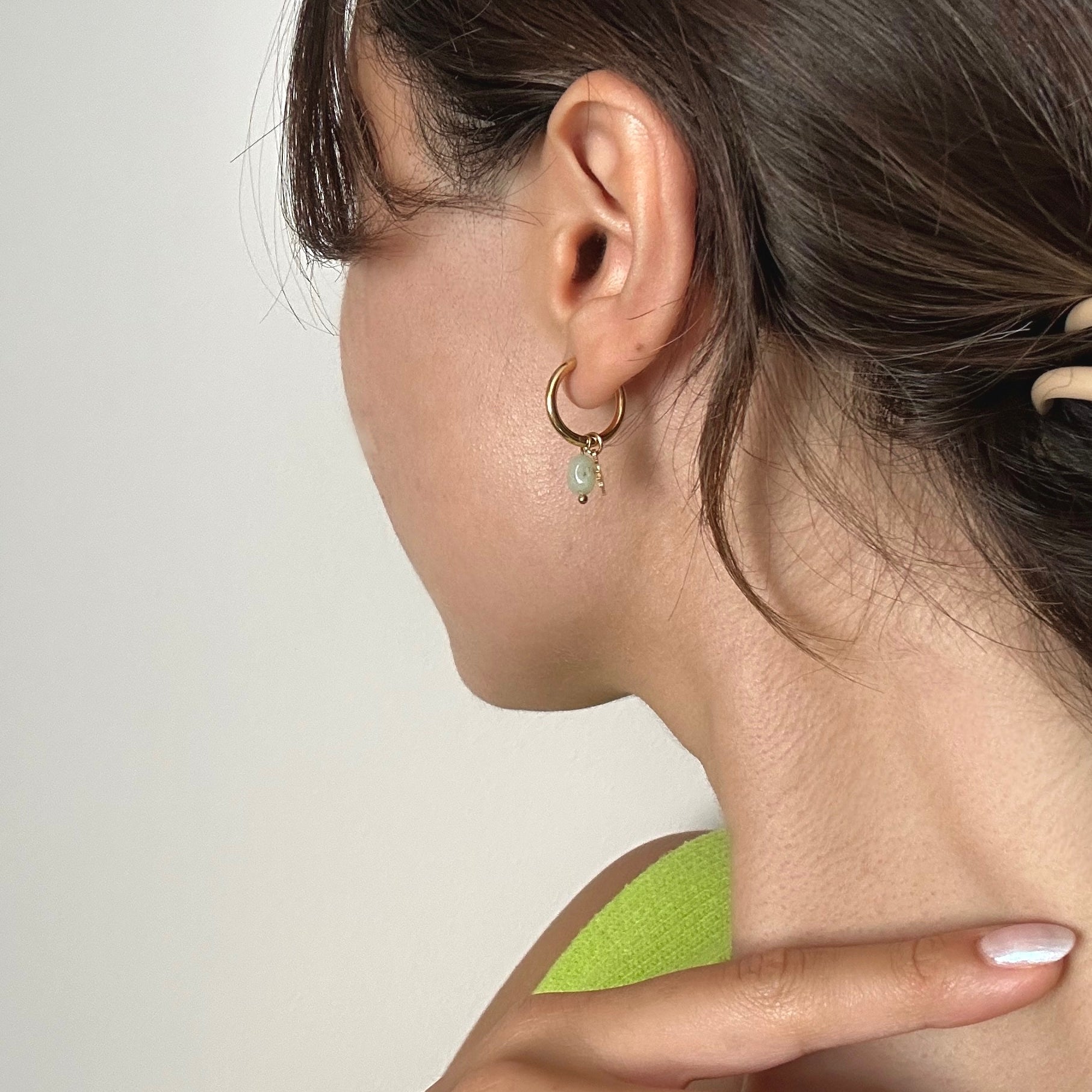
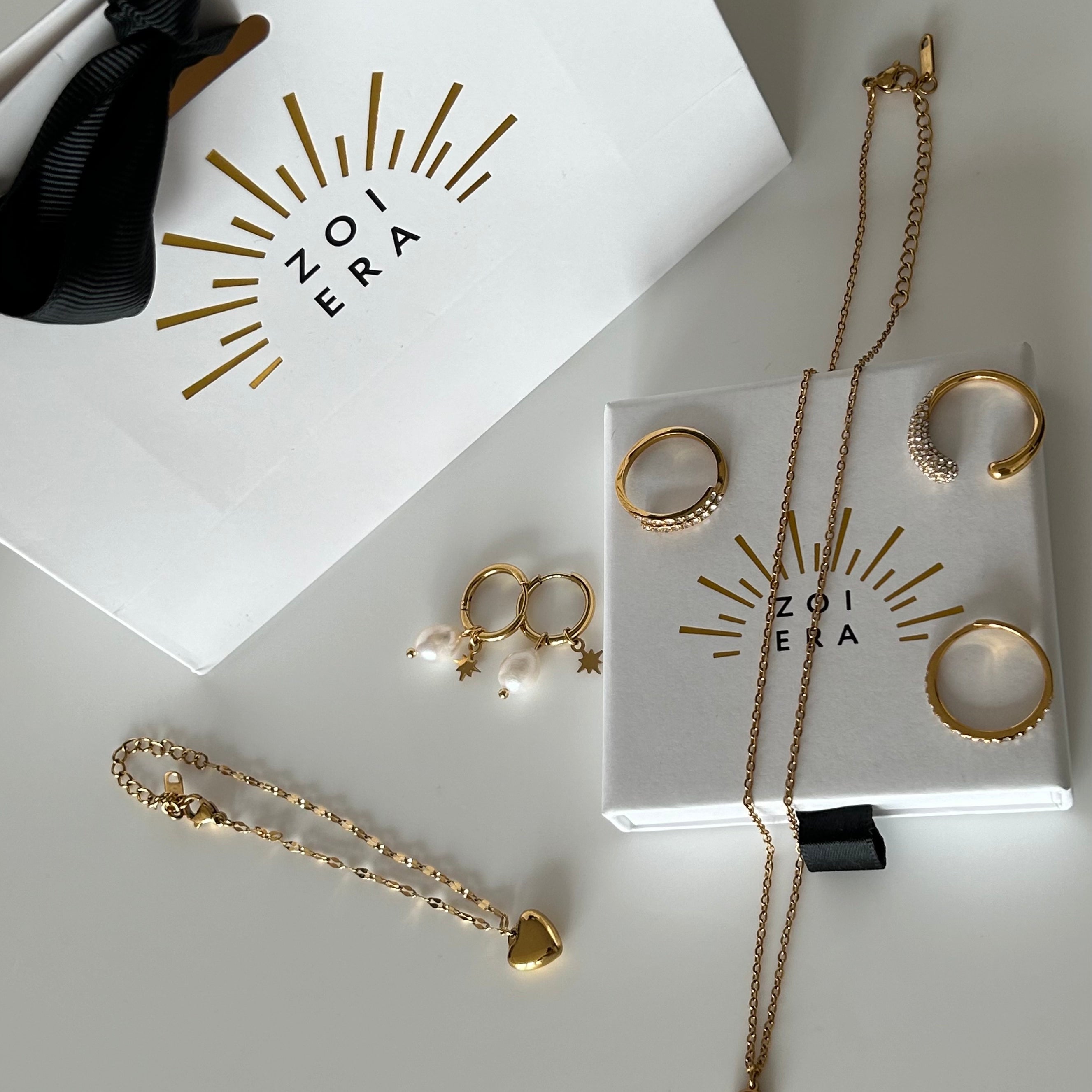
At Zoi Era, our jewellery is crafted from high quality stainless steel and finished with durable PVD gold plating. This combination creates jewellery designed to be water resistant, tarnish- esistant and suitable for everyday wear.
Because stainless steel naturally resists corrosion and PVD plating forms a strong protective coating, our pieces are designed to maintain their colour and shine even with regular daily wear
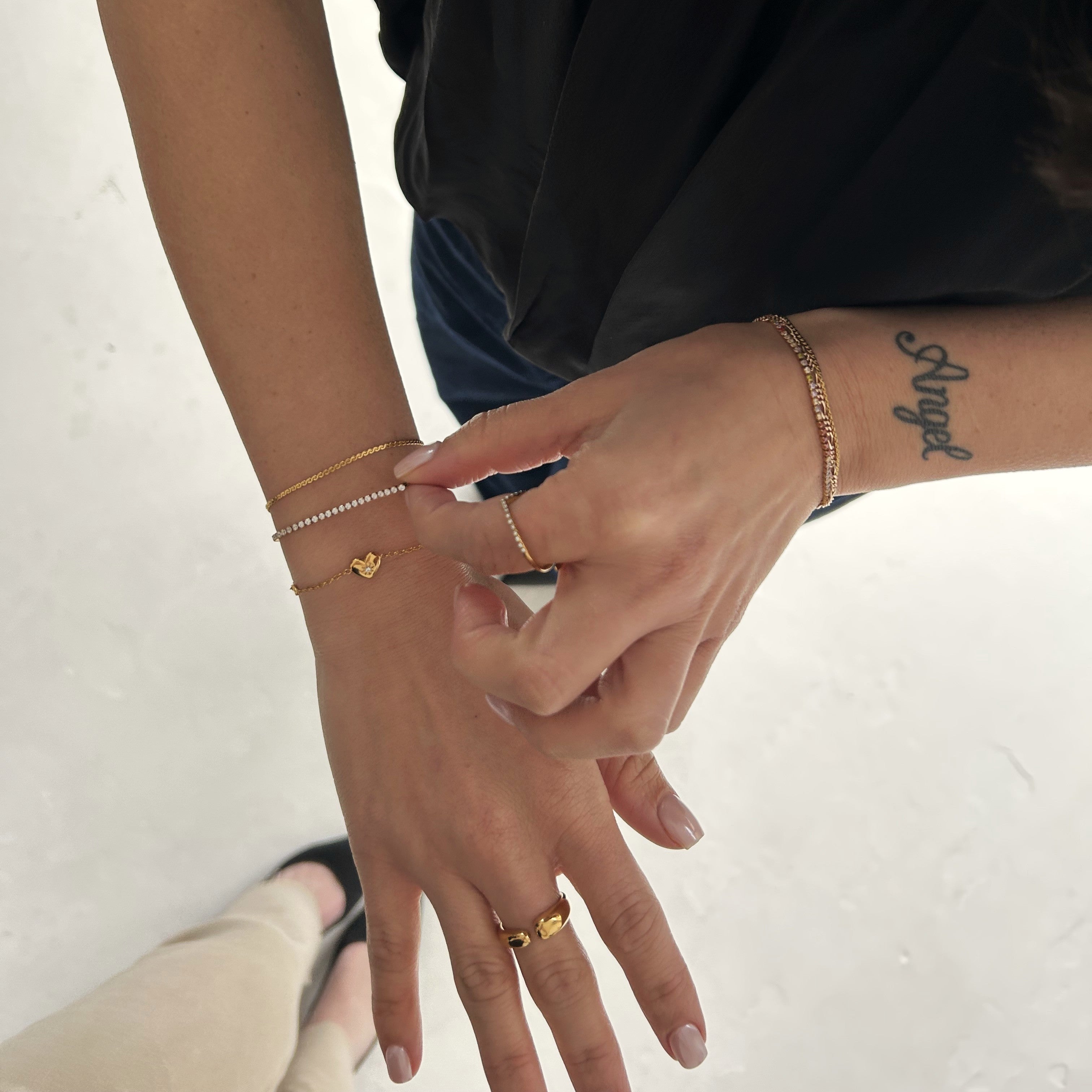
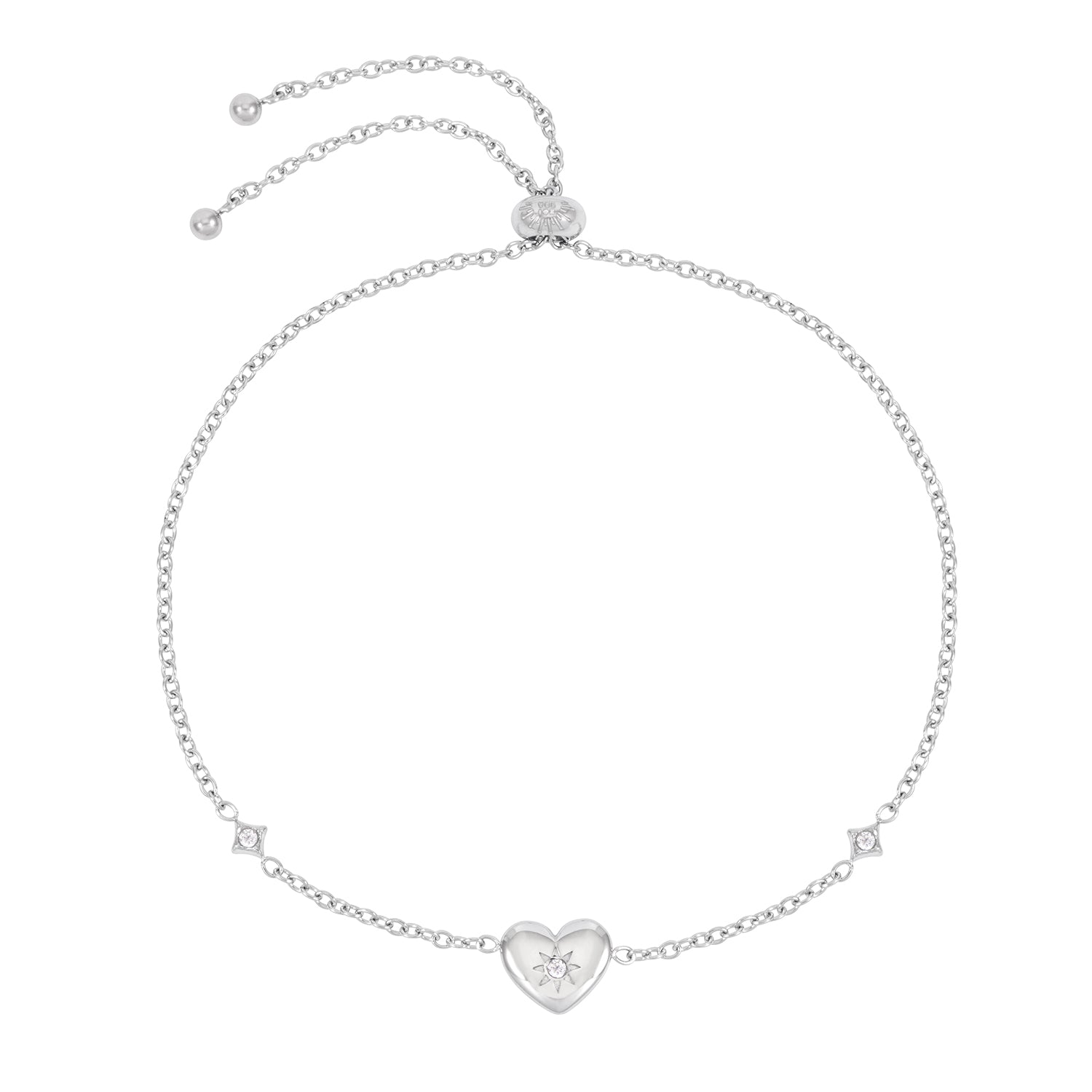
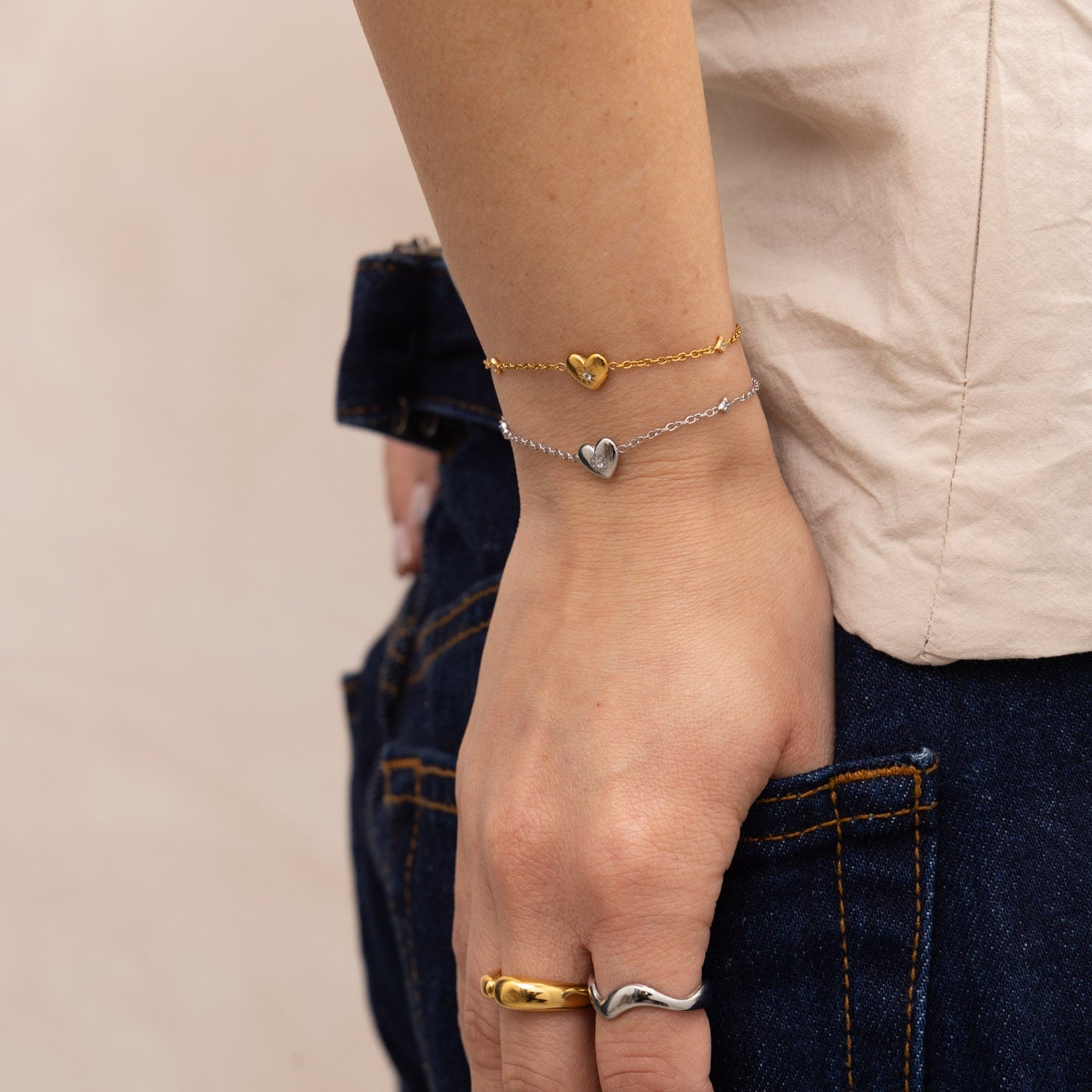
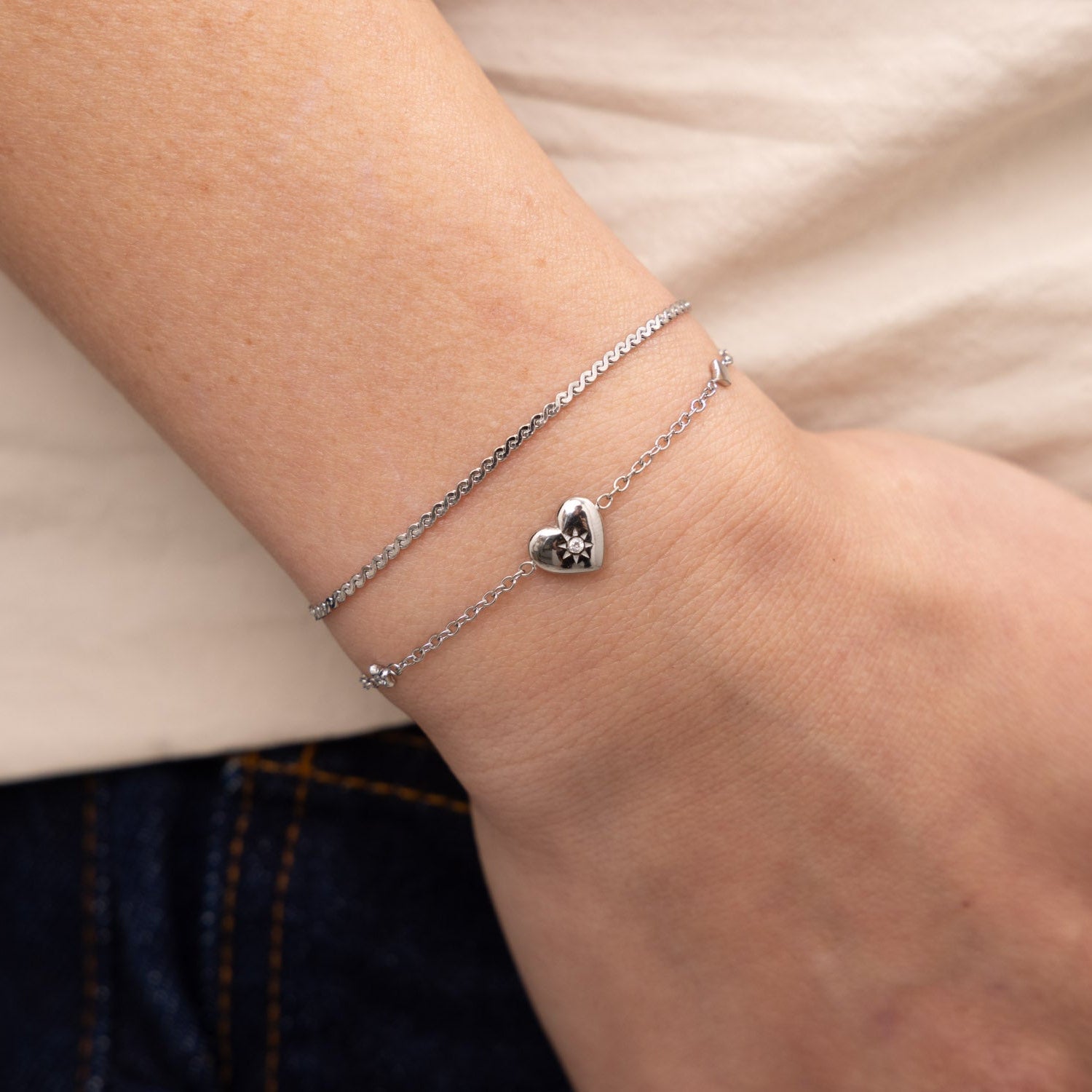
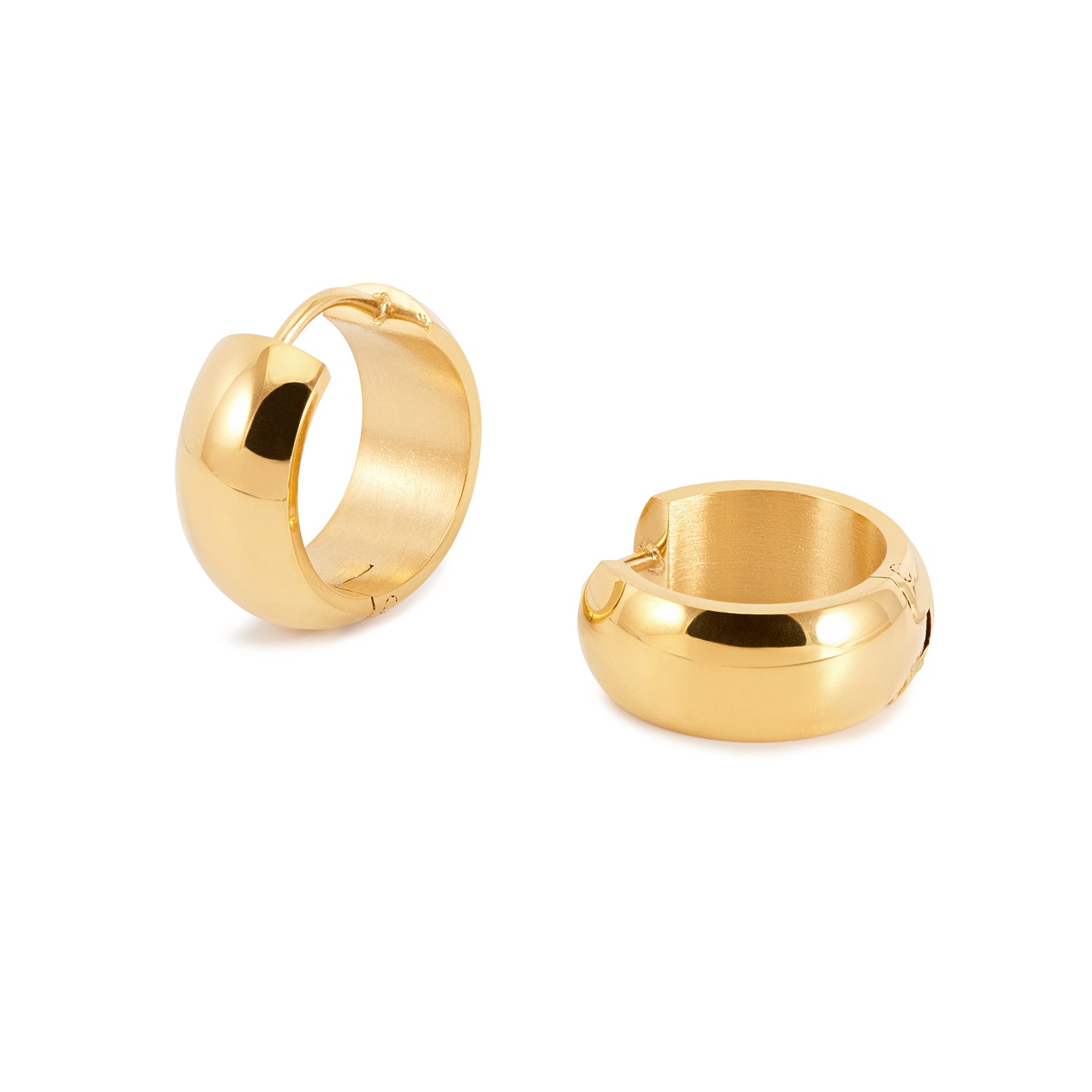
Everyday Jewellery You Can Wear Anywhere
A small collection of versatile jewellery pieces makes it easy to move through your day without needing to constantly change your accessories.
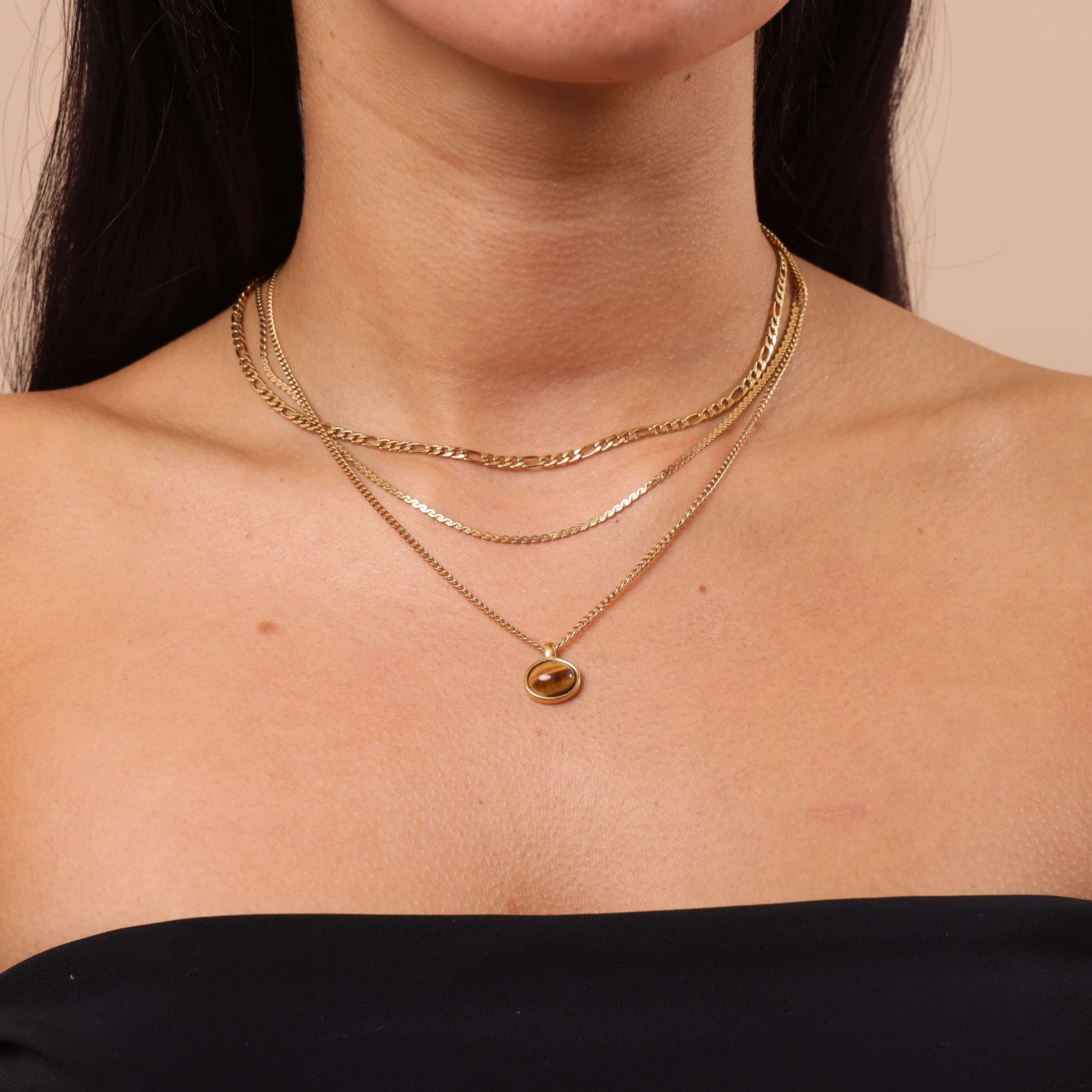
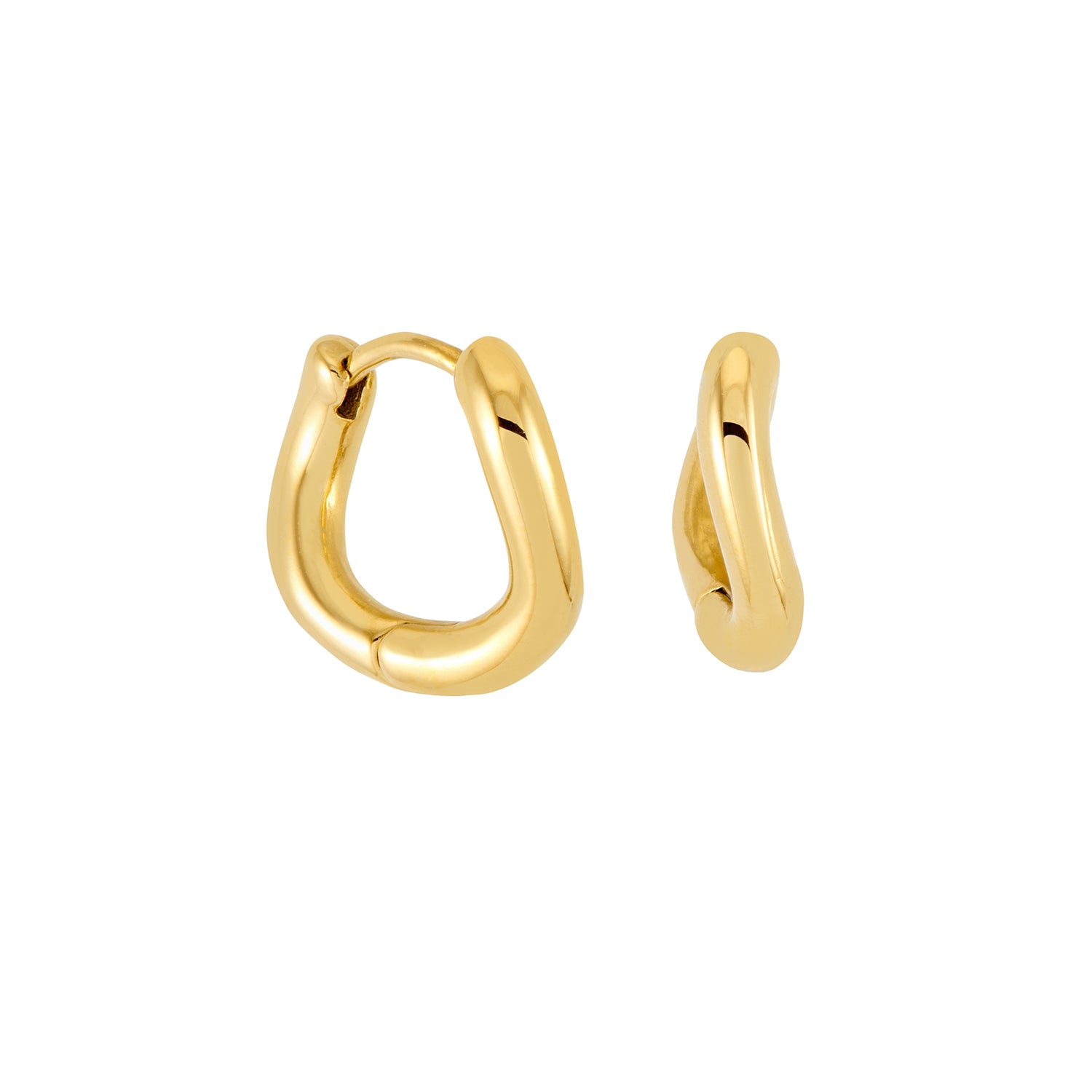
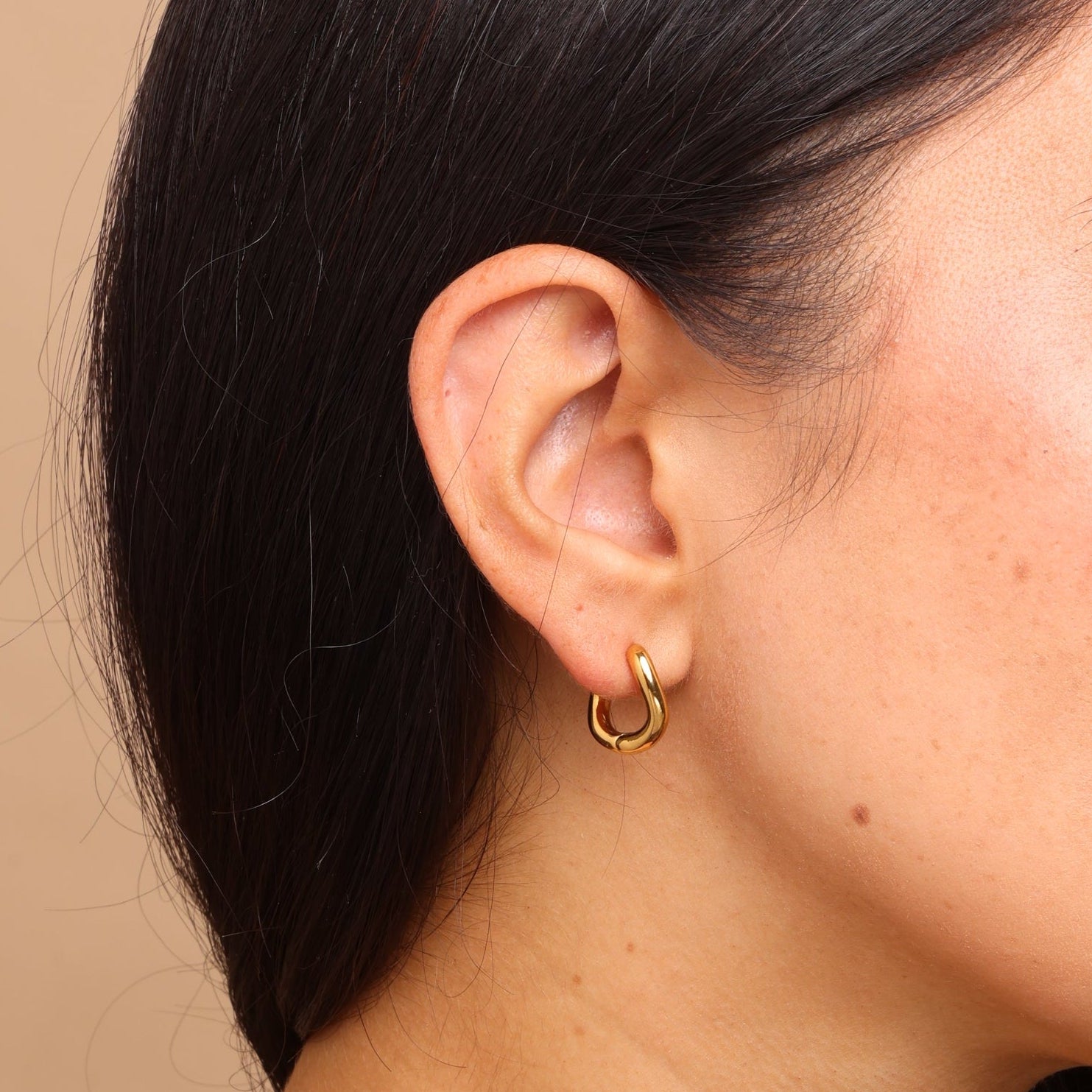
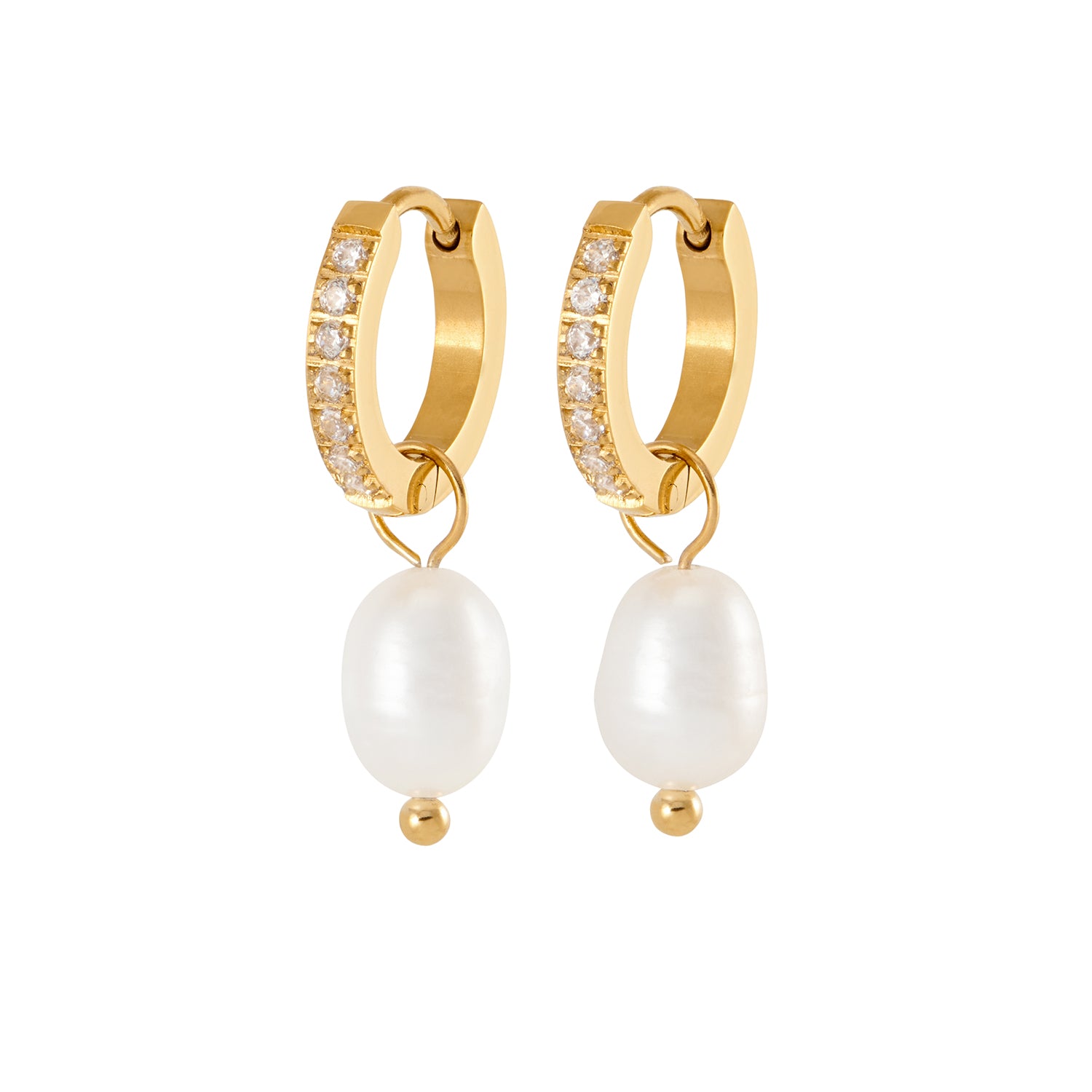
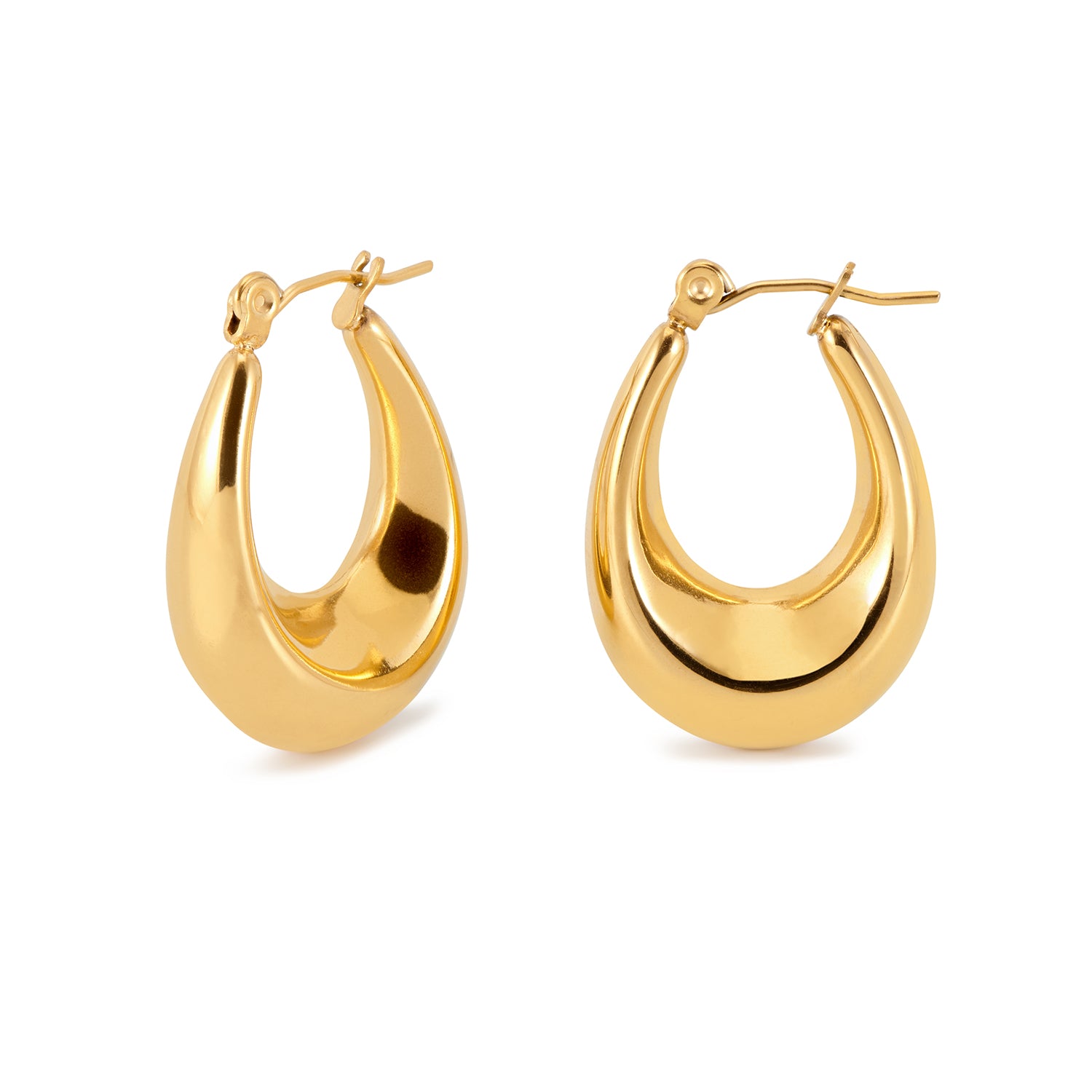
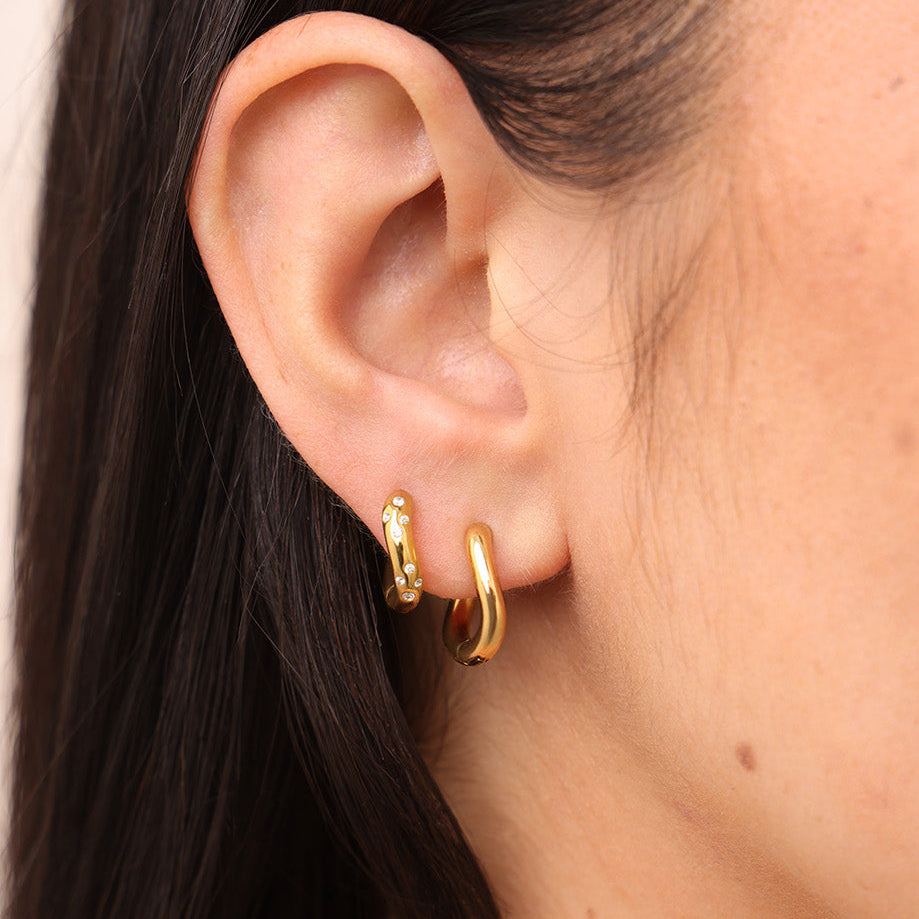
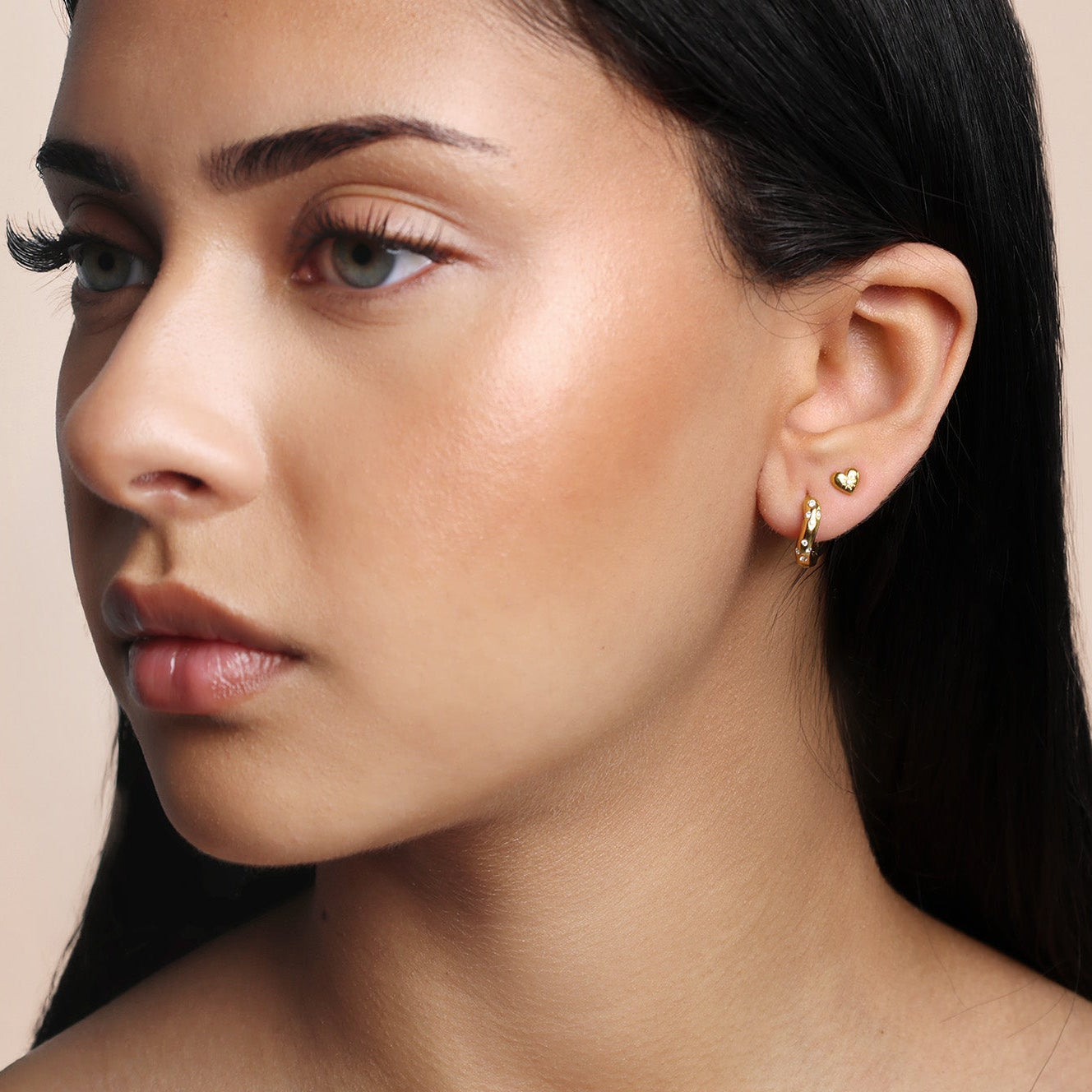
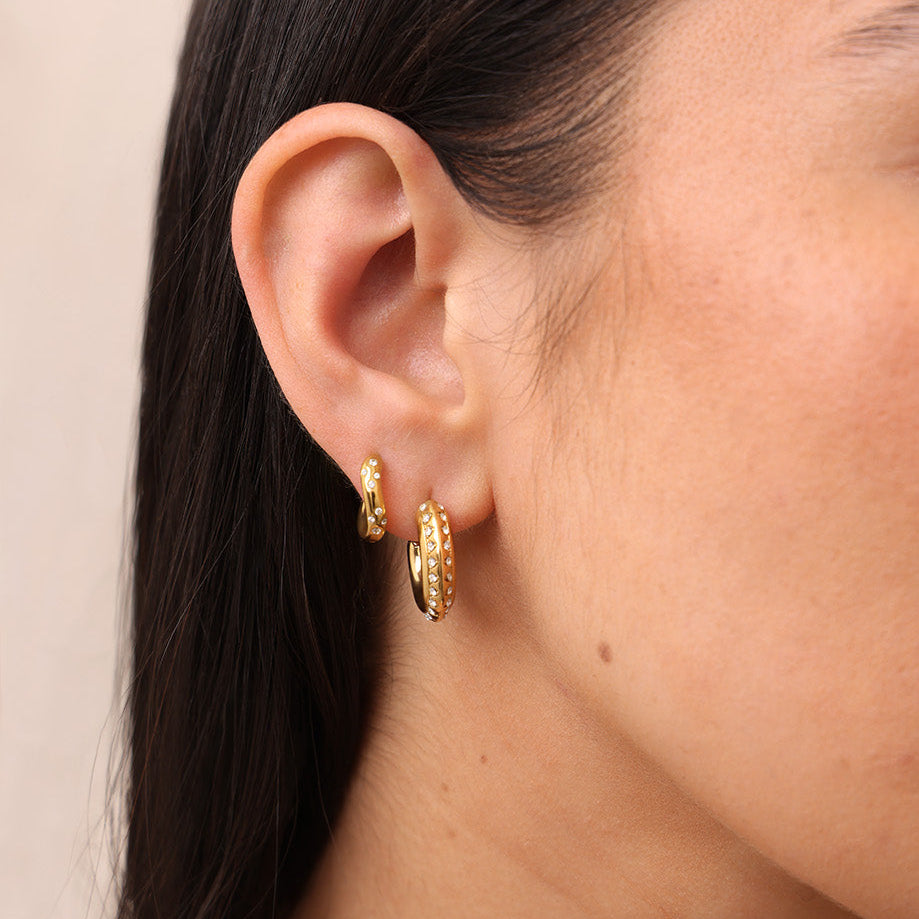
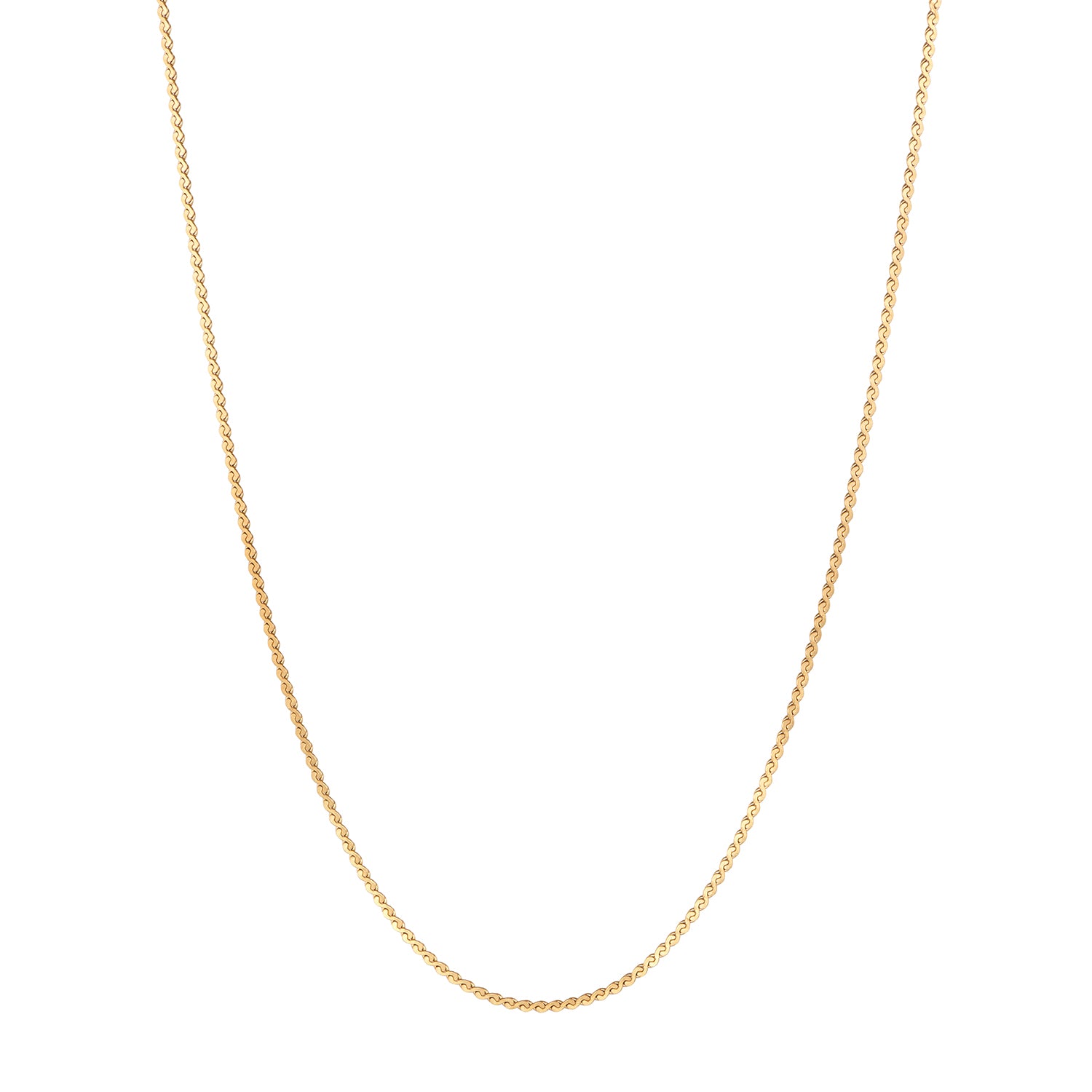
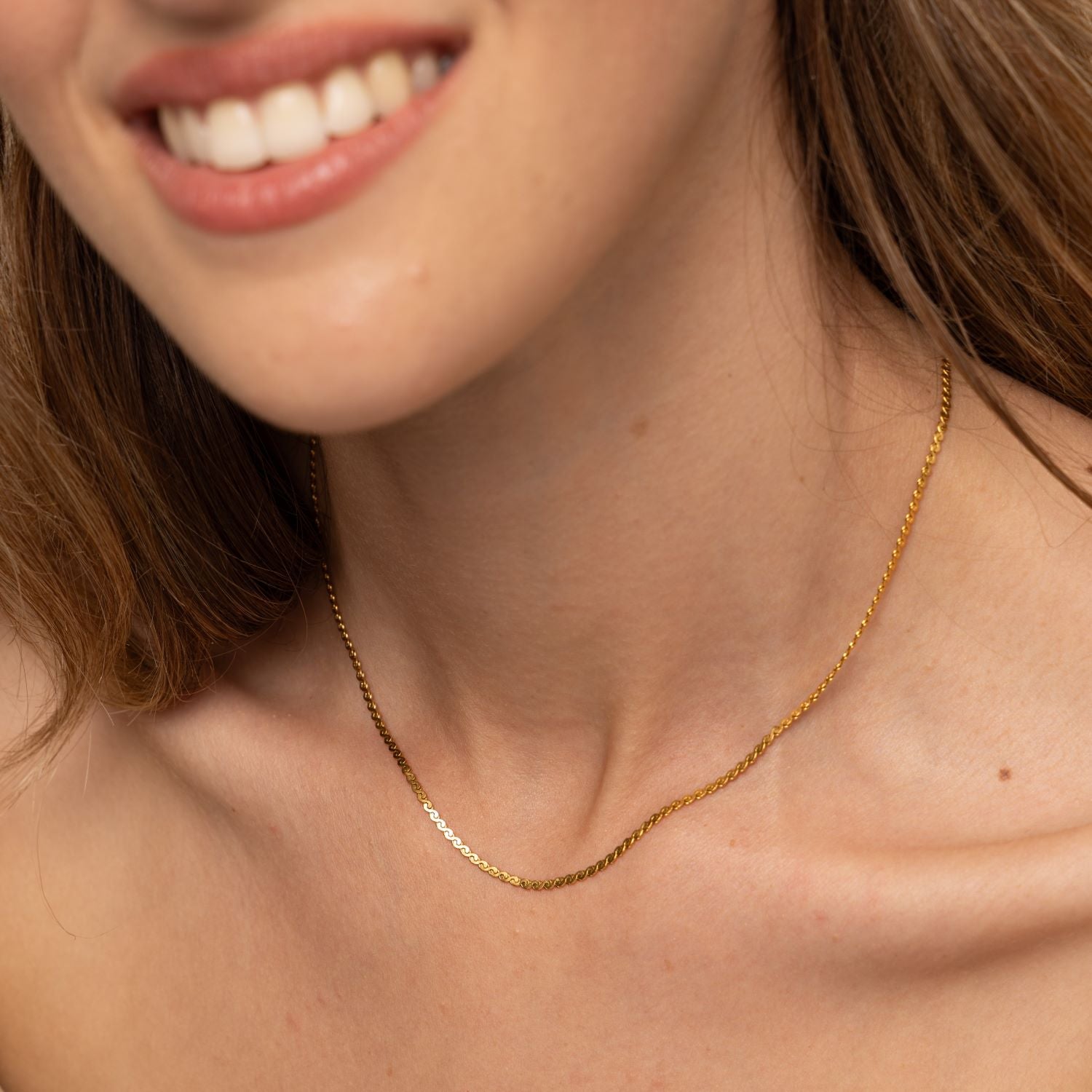
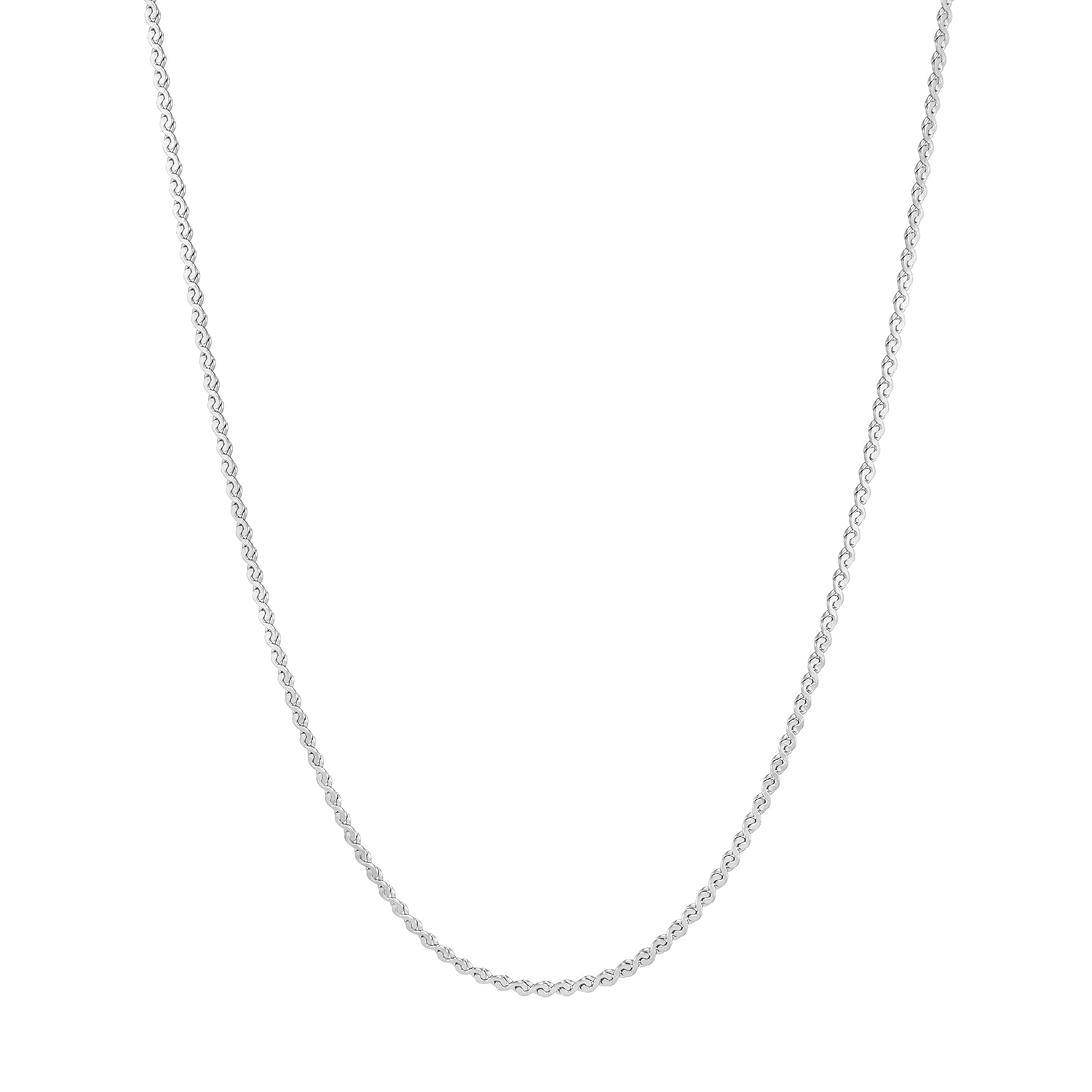
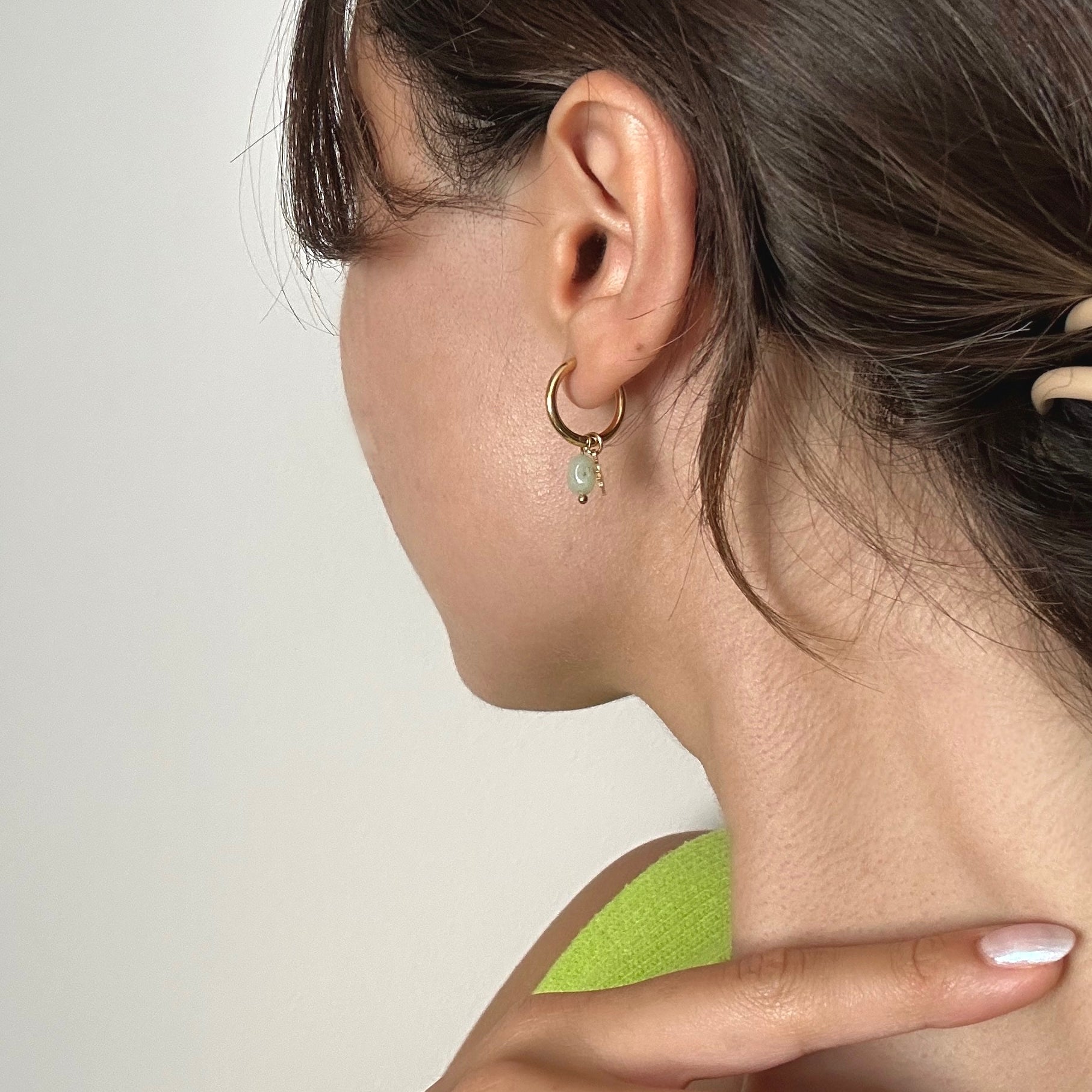
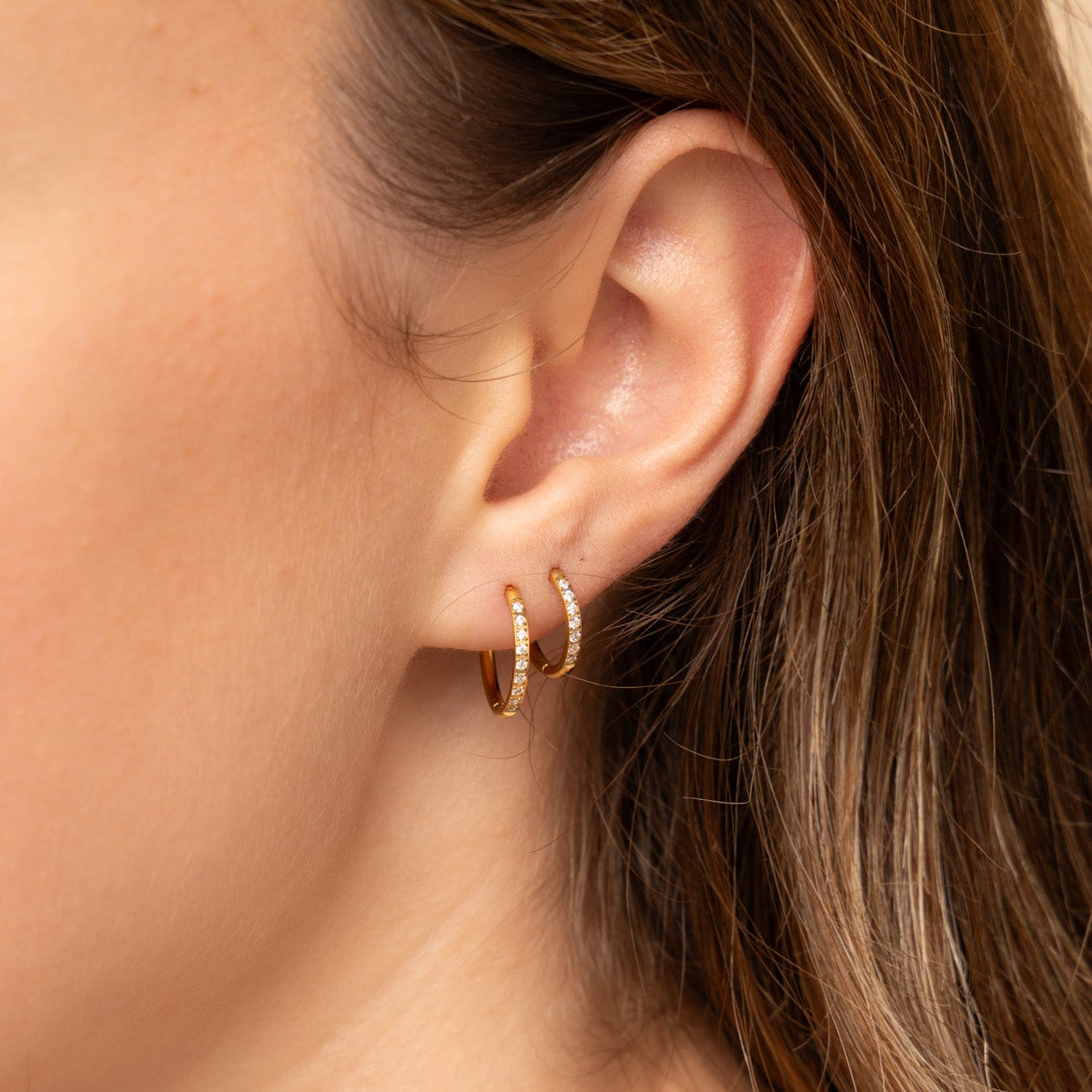
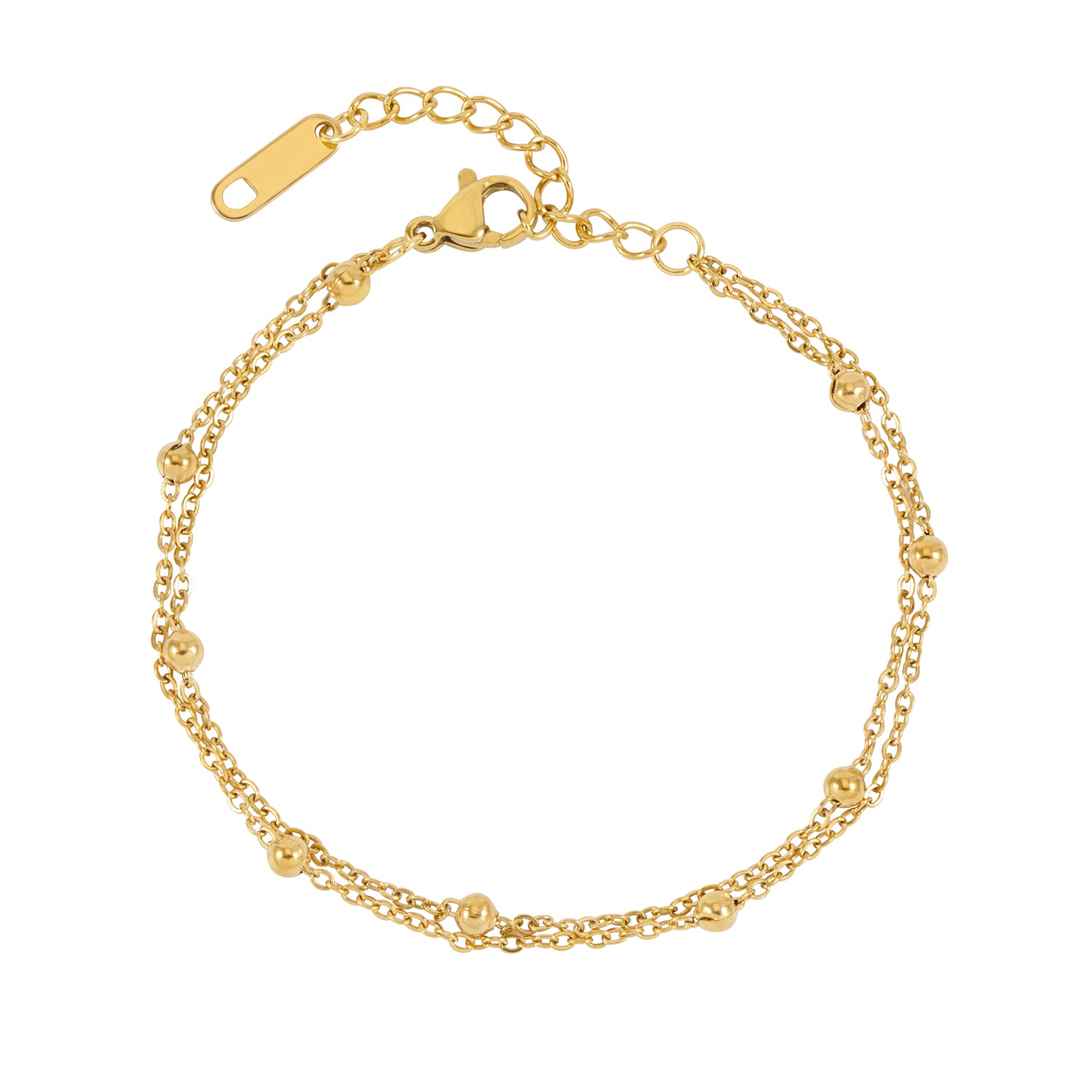
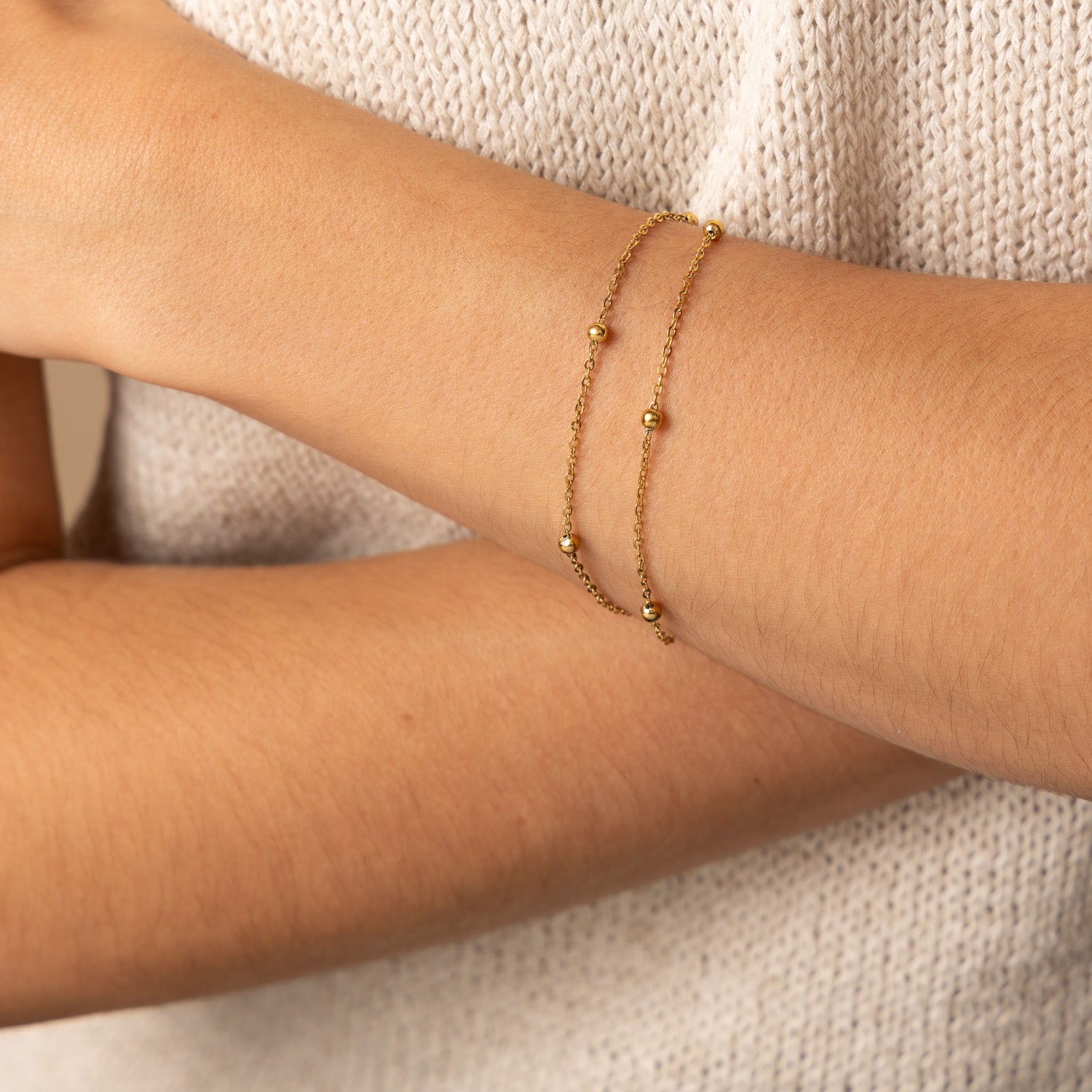
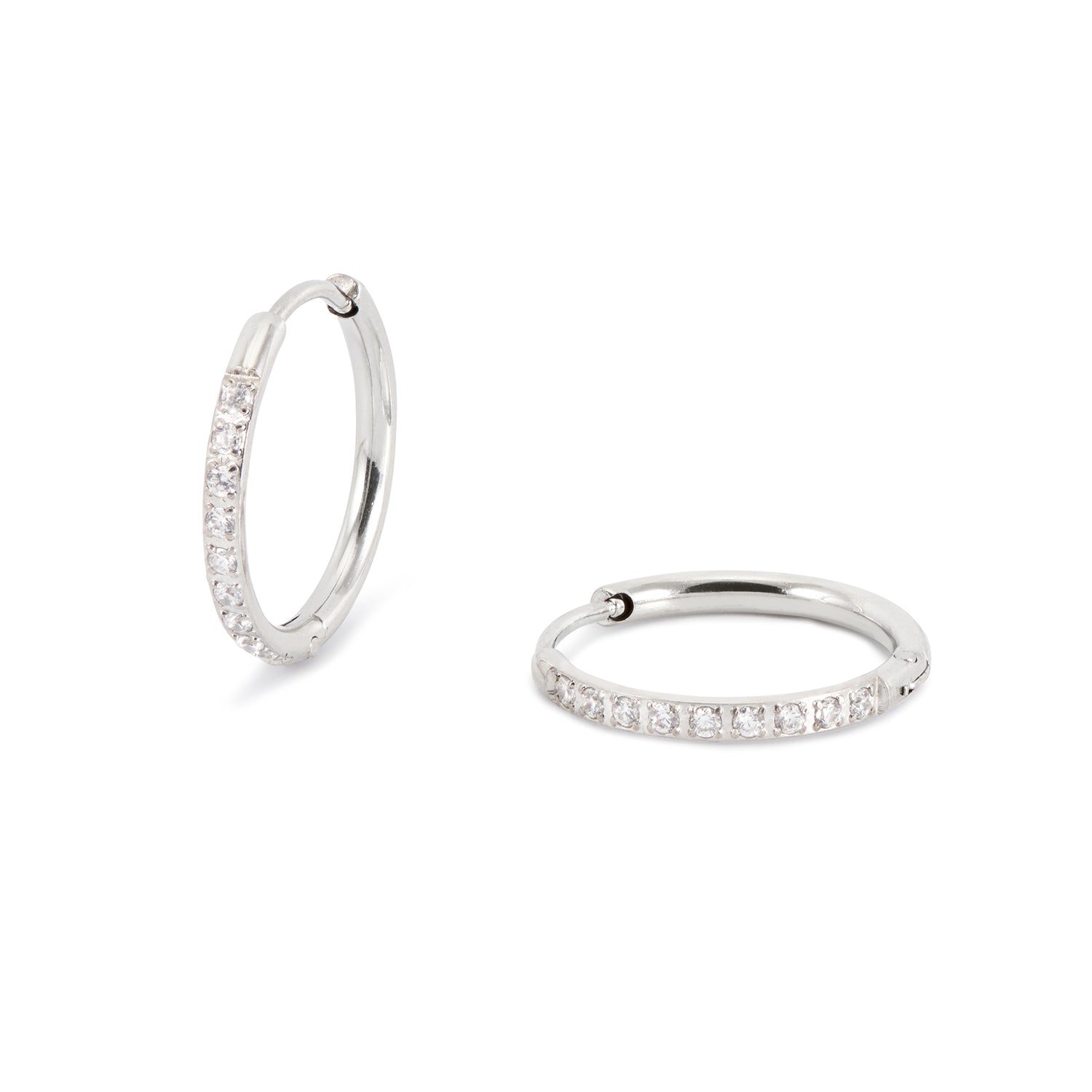
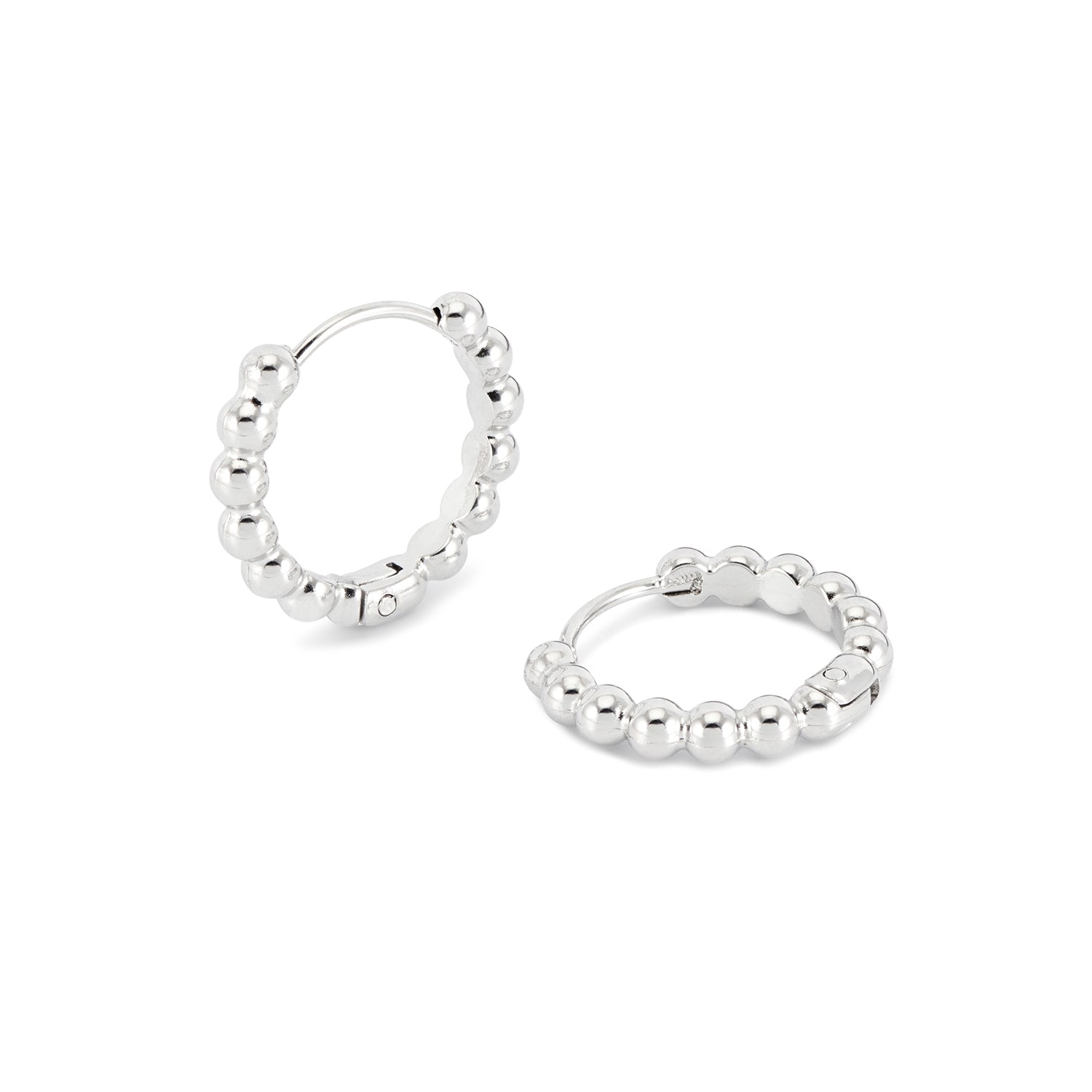
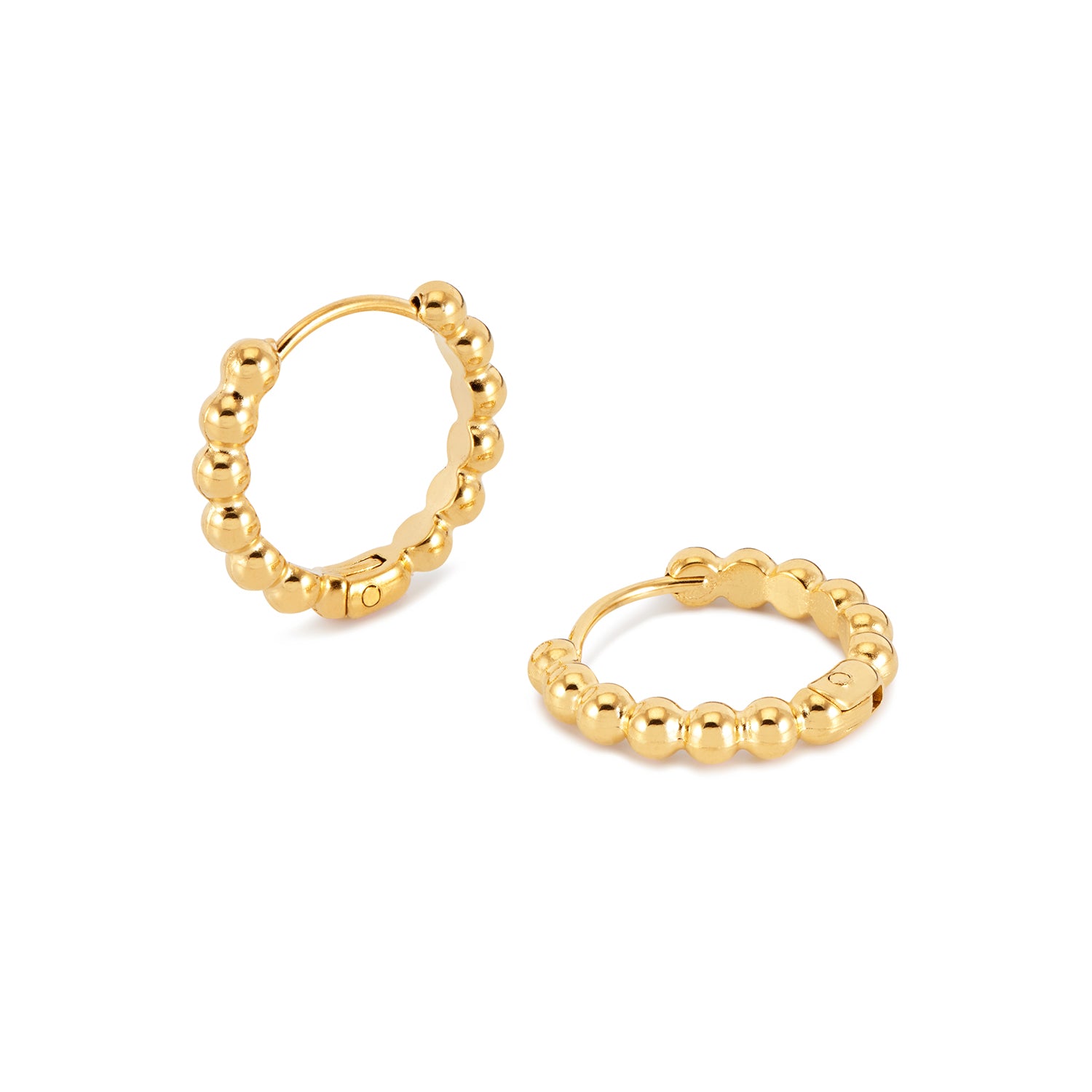
Simple hoops, layered necklaces and delicate bracelets are often the most practical choices for everyday wear because they complement a wide range of outfits while still feeling lightweight and comfortable.
Choosing jewellery that is designed to handle everyday life means you can focus more on enjoying your day and less on worrying about your jewellery.
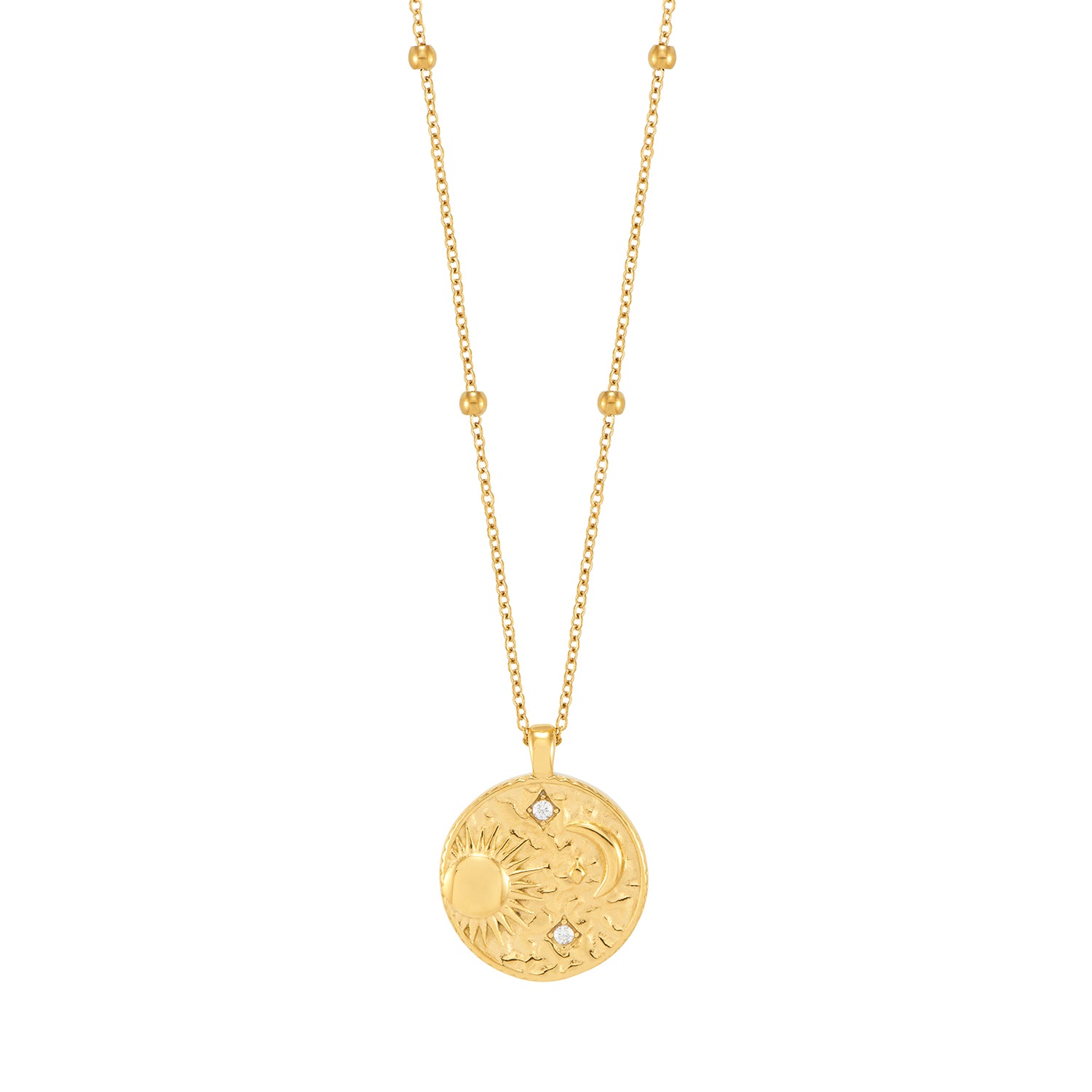
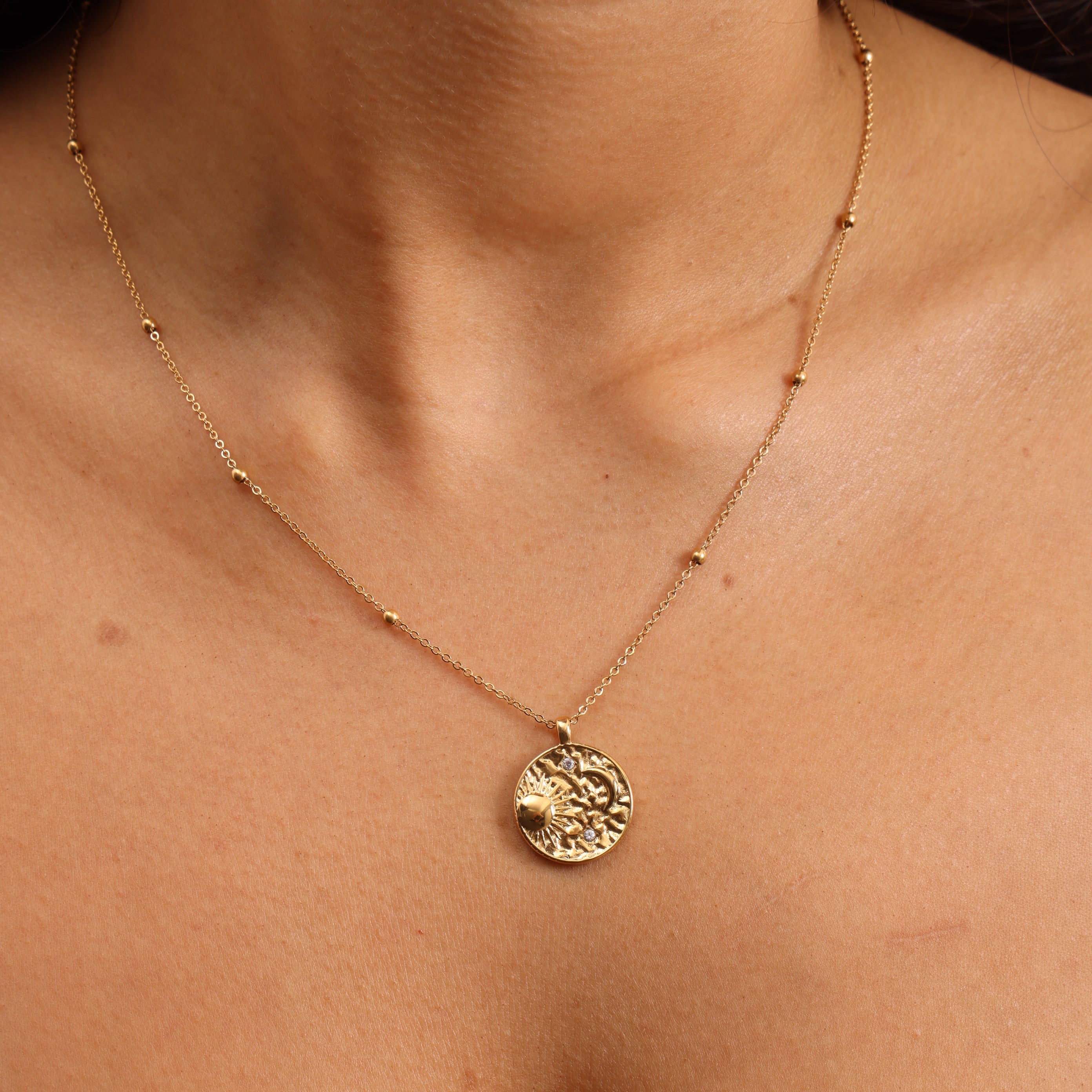





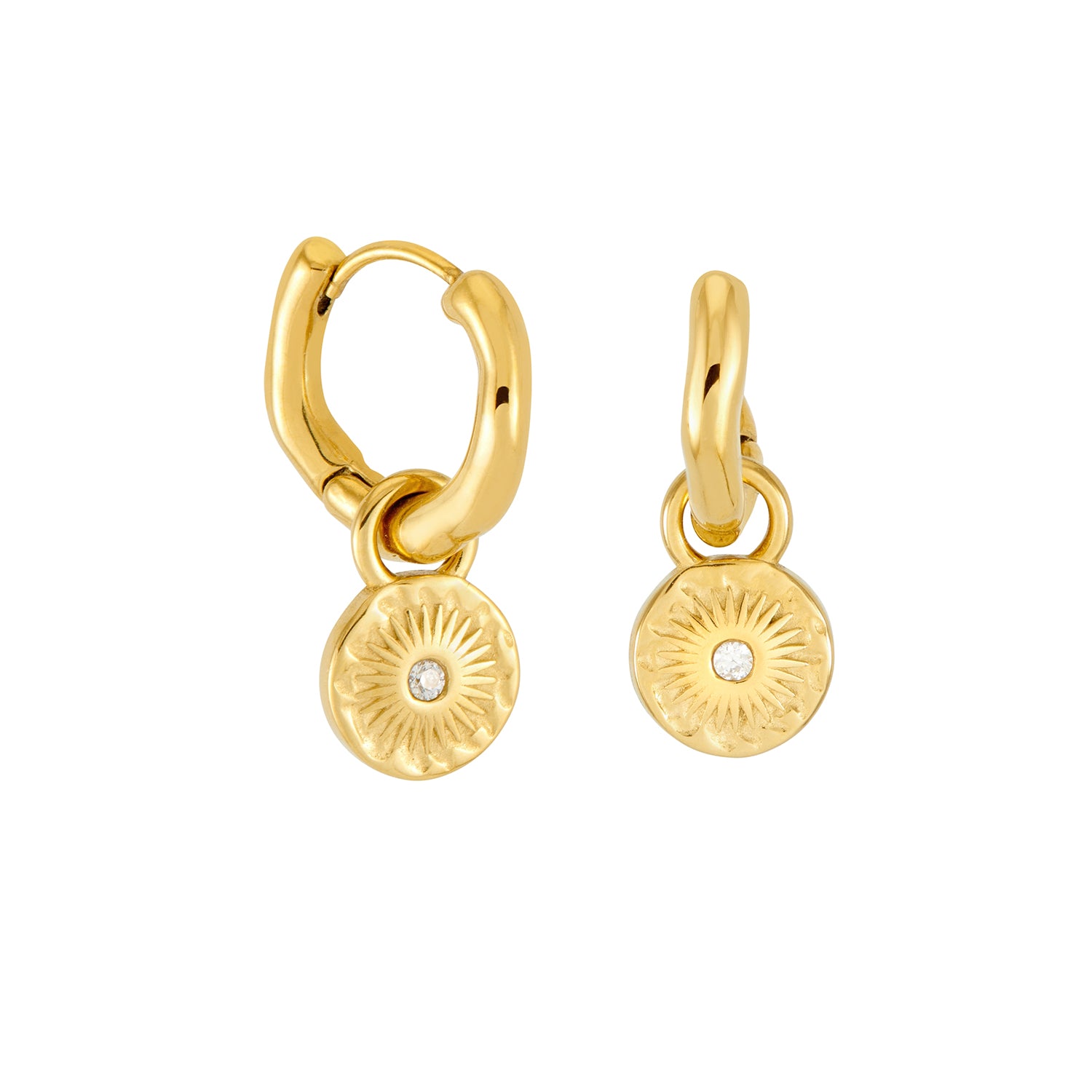


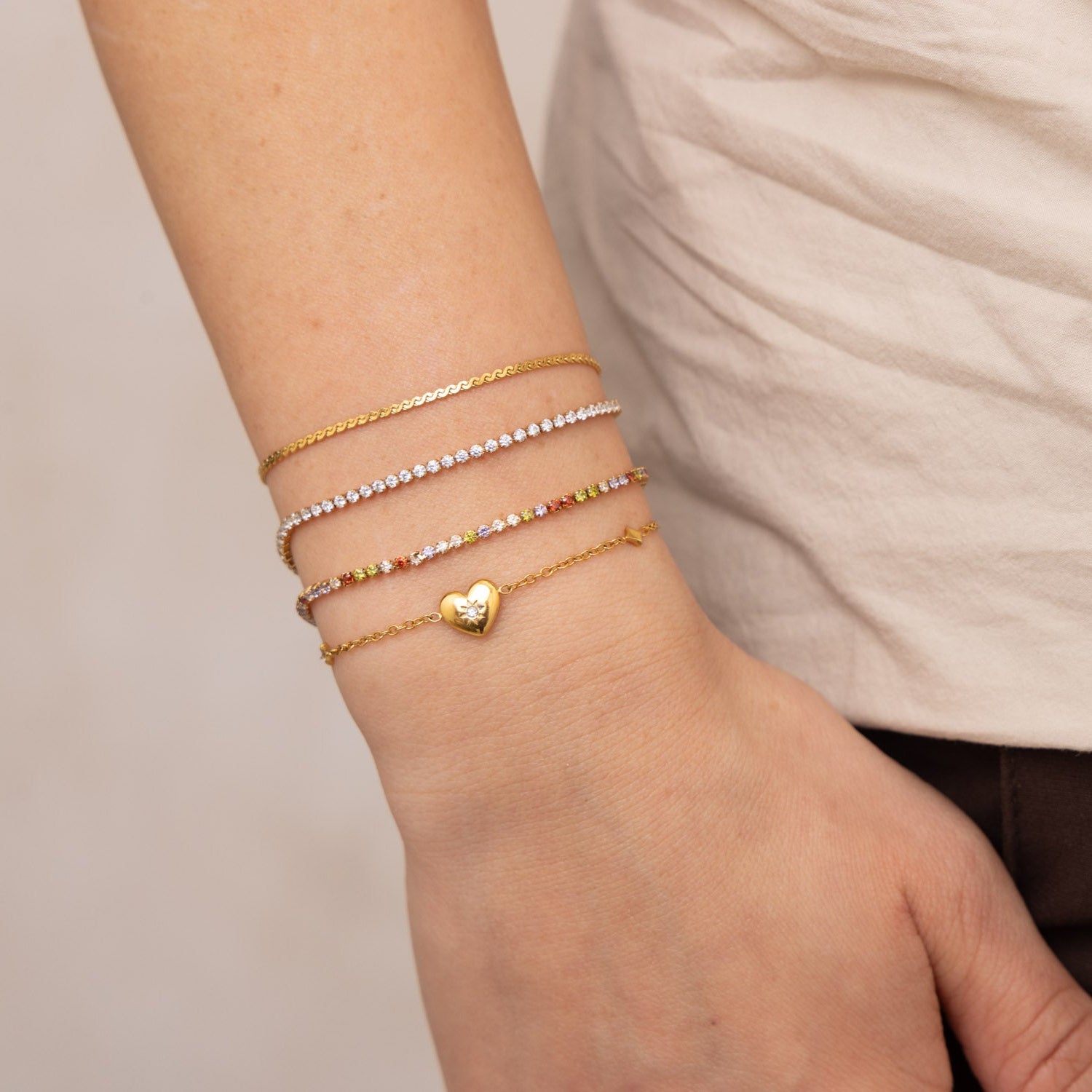

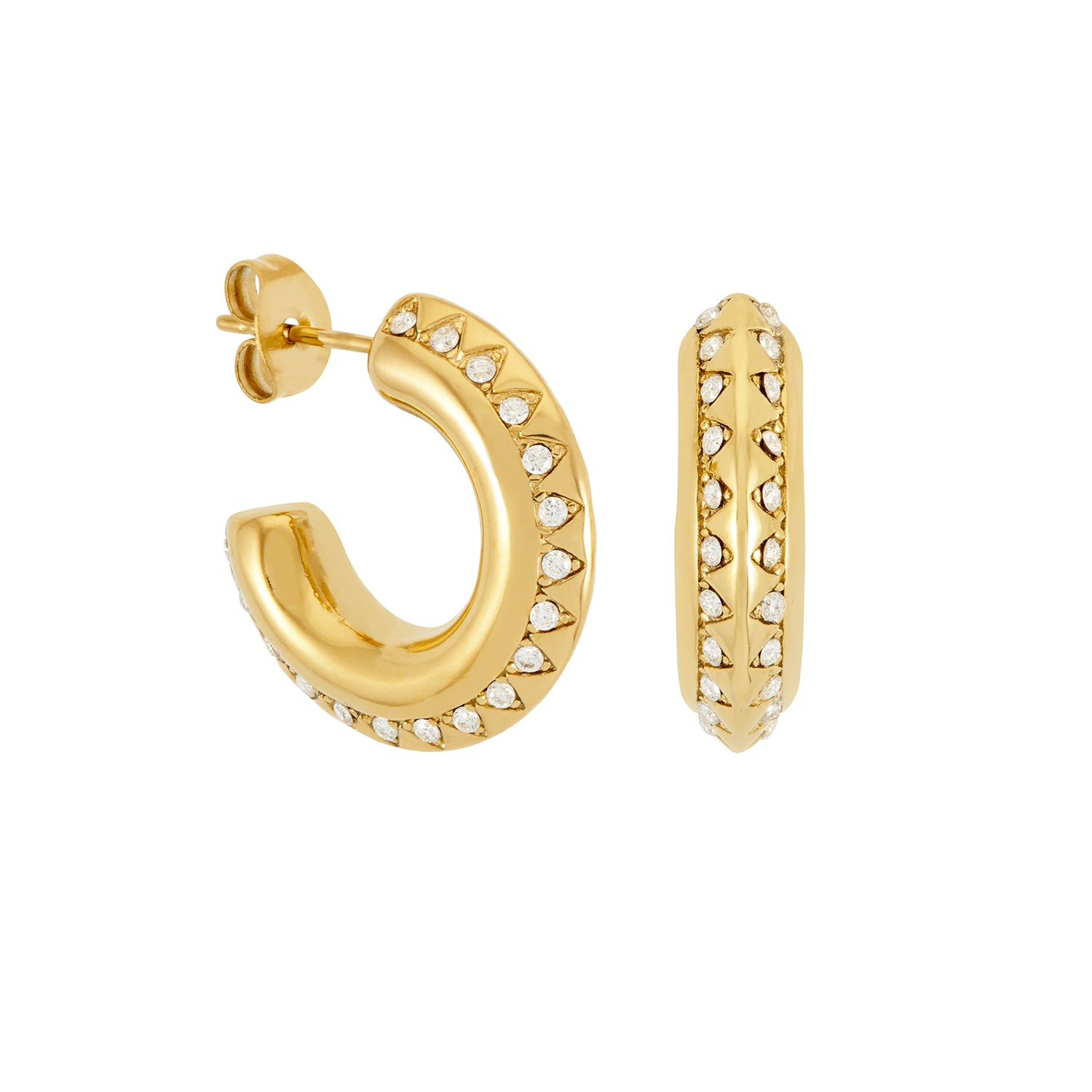
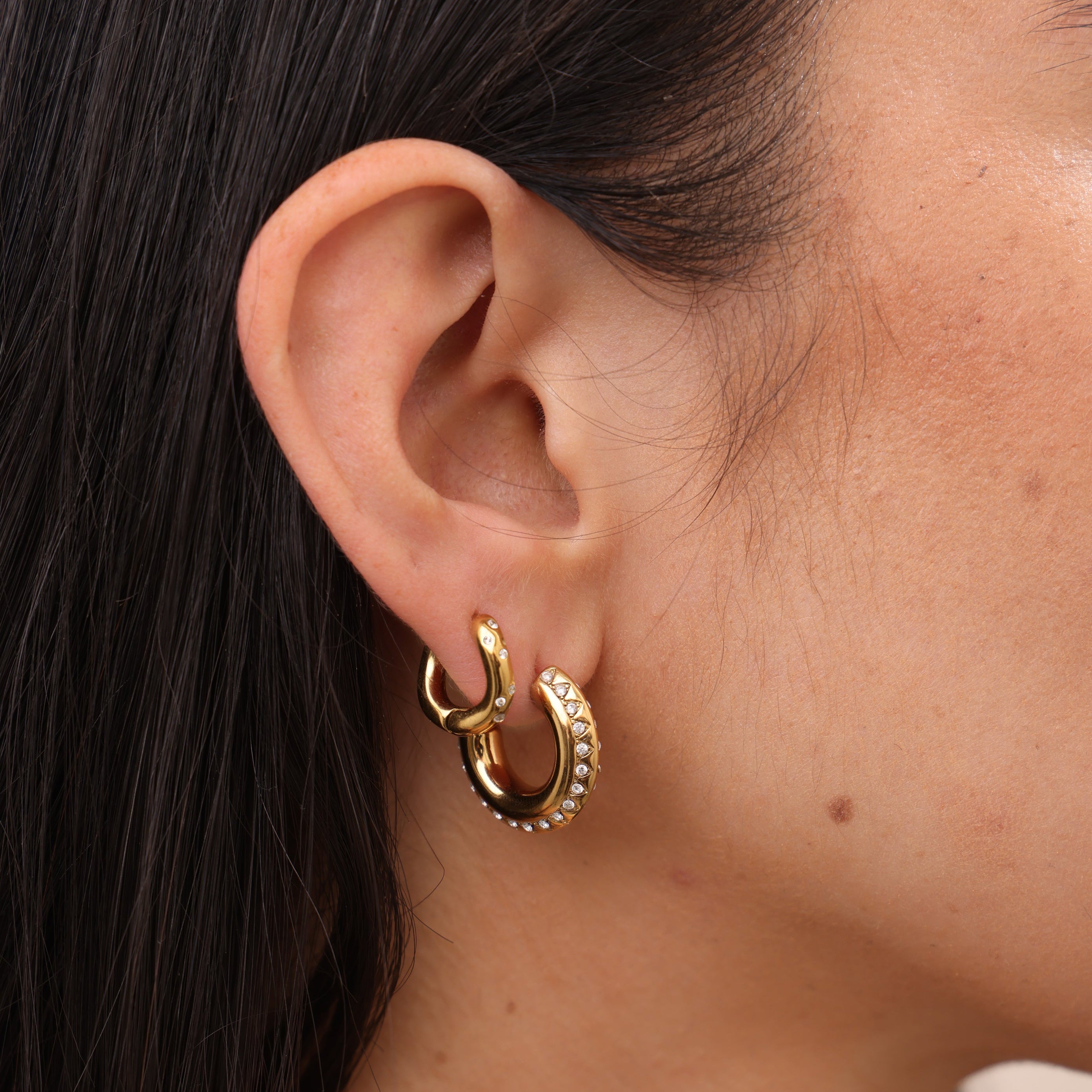





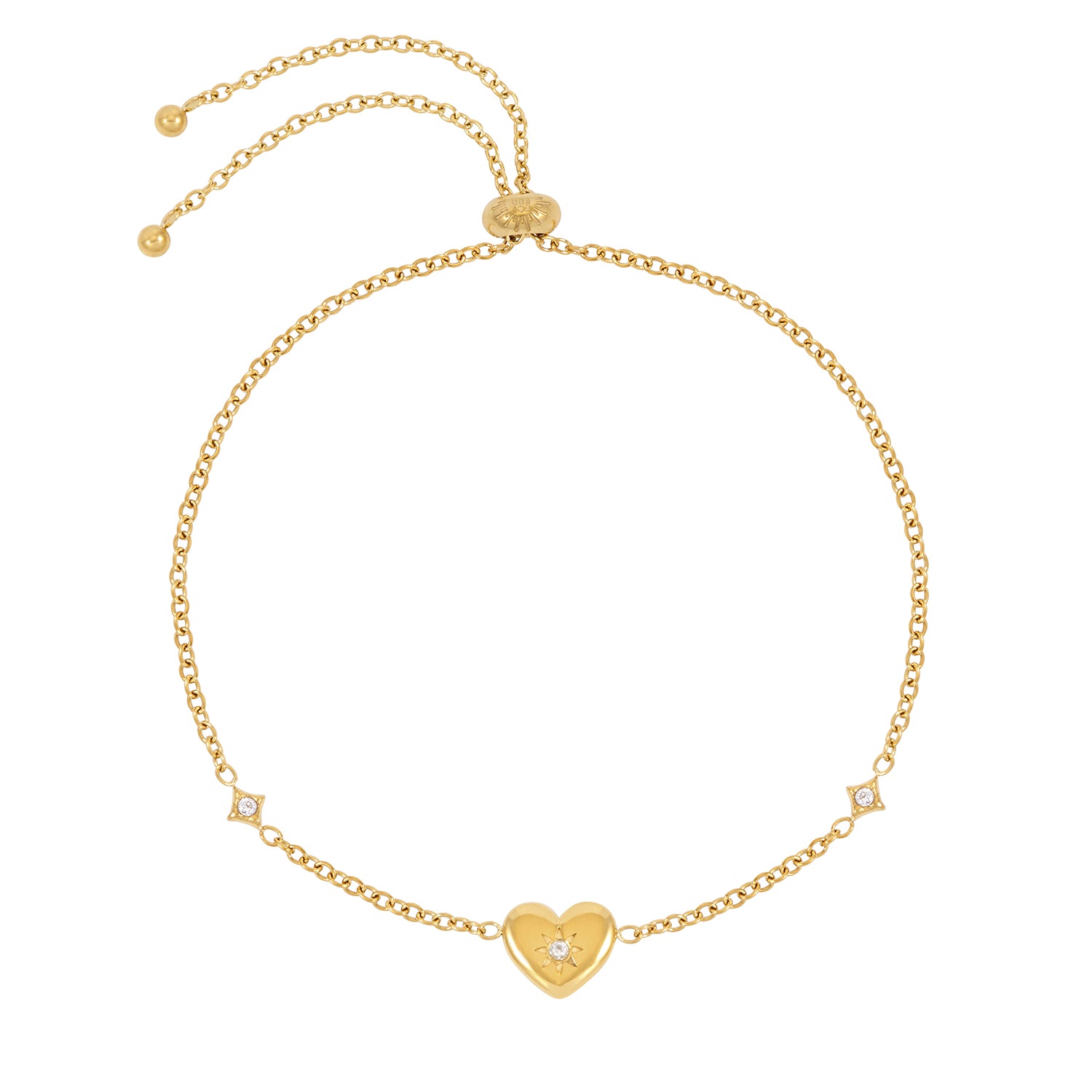





































Learn More About Everyday Jewellery
Jewellery and Sea Water
Can salt water damage jewellery?
Salt water can accelerate tarnishing in certain metals, particularly brass, copper and thin gold plated jewellery.
Does gold plated jewellery fade in salt water?
Traditional gold plated jewellery with very thin plating fade faster when frequently exposed to salt water, as the salt and minerals can gradually wear down the gold layer.
However, jewellery made with stronger base metals and more advanced coating methods can perform much better. For example, using stainless steel as a base metal combined with durable PVD gold plating creates a more resilient finish designed to resist fading and tarnishing with everyday wear.
At Zoi Era, our jewellery uses this combination to help maintain its colour and shine over time.
What jewellery materials are best for wearing in the sea?
Jewellery made from durable, corrosion resistant metals tends to perform best when exposed to salt water. Stainless steel and solid gold are generally among the most reliable options because they are less likely to rust or react with moisture and salt.
Stainless steel is particularly popular for everyday jewellery because it combines strength and resistance to corrosion, making it suitable for pieces designed to handle regular exposure to water.
Can stainless steel jewellery go in the sea?
Yes, stainless steel jewellery is known for its resistance to rust and corrosion, which makes it much more durable in environments where jewellery may be exposed to moisture.
Because of these properties, stainless steel is commonly used for jewellery designed to be worn regularly without needing to remove it throughout the day.