
Can You Wear Jewellery in the Pool?
Many people wonder whether it’s safe to wear jewellery while swimming in the pool. Since pool water contains chlorine and other chemicals, it’s natural to question whether these elements might affect certain metals over time.
The answer depends largely on the materials used in the jewellery. Some metals react more easily with chlorine, while others are much more resistant and suitable for everyday wear.
Understanding how different materials behave around water can help you choose jewellery that fits comfortably into your daily routine.
Jewellery Materials That Handle Water Better
Some jewellery materials are naturally more durable and resistant to corrosion.
Metals commonly used for everyday jewellery include:
• stainless steel
• solid gold
• platinum
These metals are valued for their stability and resistance to corrosion, which makes them more suitable for jewellery designed to be worn regularly.
If you're interested in learning more about how stainless steel performs over time, you can also read our guide Does Stainless Steel Jewellery Tarnish.
Why Stainless Steel Is Often Used for Everyday Jewellery
Stainless steel has become increasingly popular in modern jewellery because it is strong, stable and resistant to corrosion.
Unlike metals such as copper or brass, stainless steel forms a protective surface layer that helps prevent the metal from reacting easily with moisture, air or chemicals.
Because of this durability, stainless steel jewellery is often chosen for pieces designed to be worn regularly throughout the day.
You may also find our guide Is Stainless Steel Jewellery Hypoallergenic helpful if you’re interested in jewellery suitable for sensitive skin.

Jewellery Designed for Everyday Wear
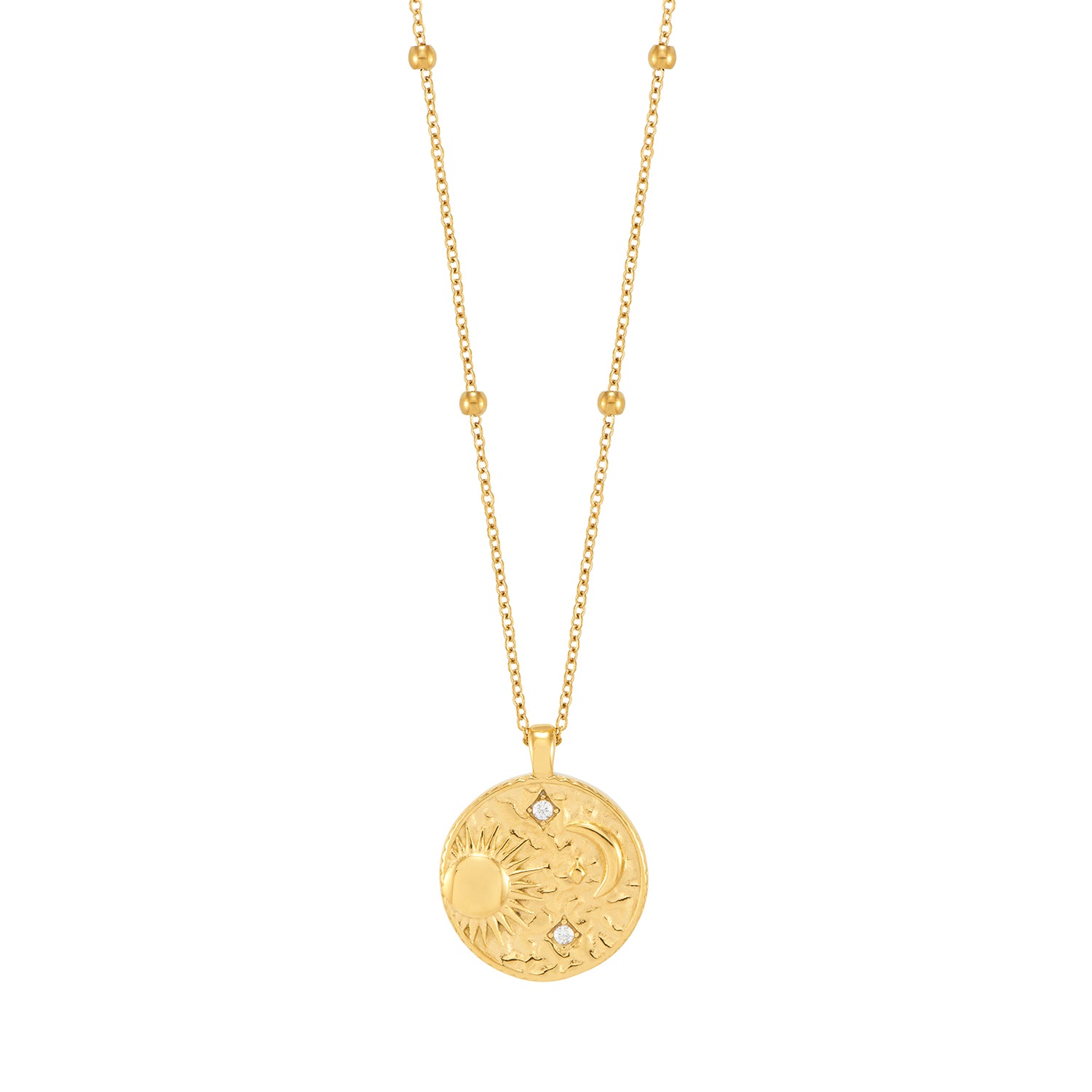
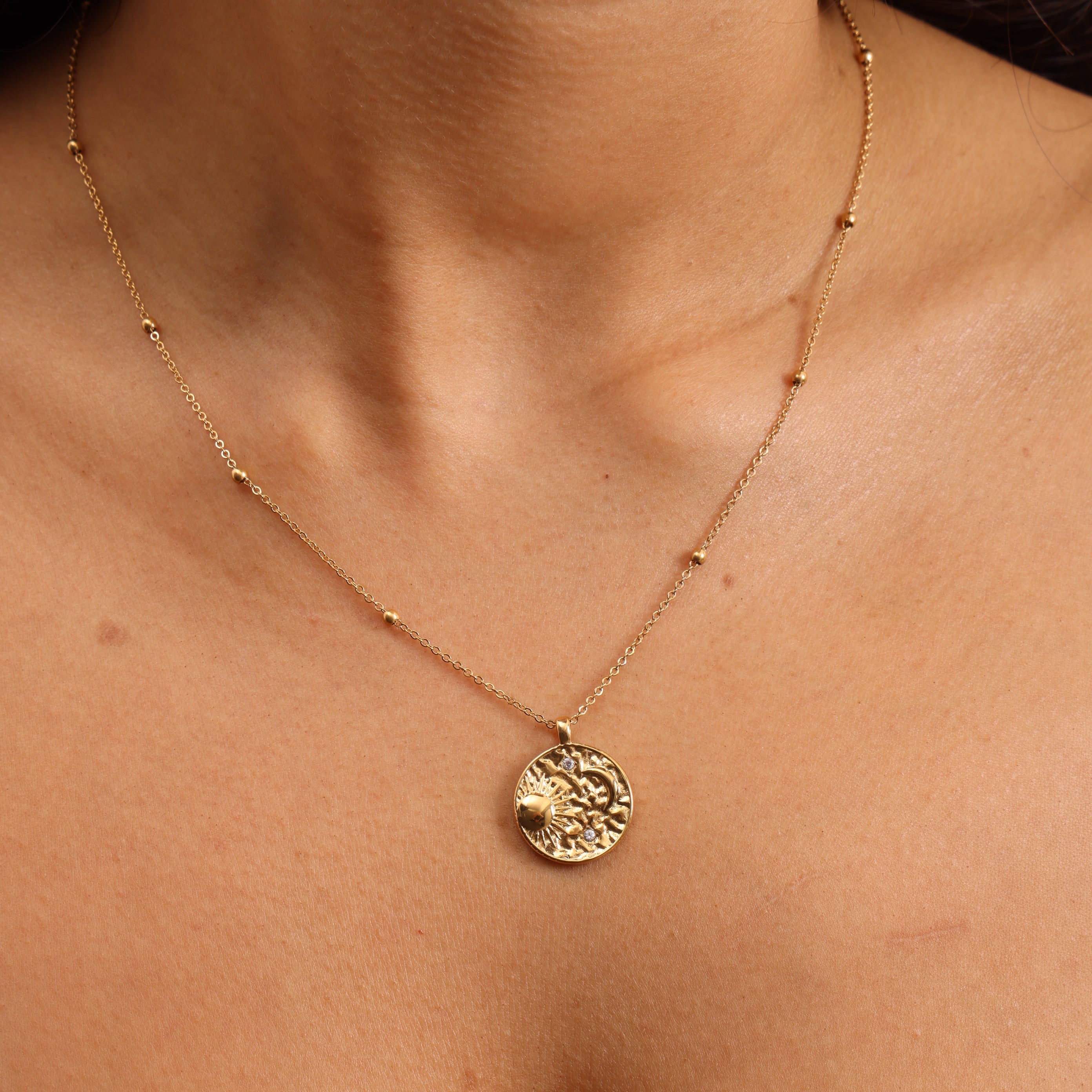
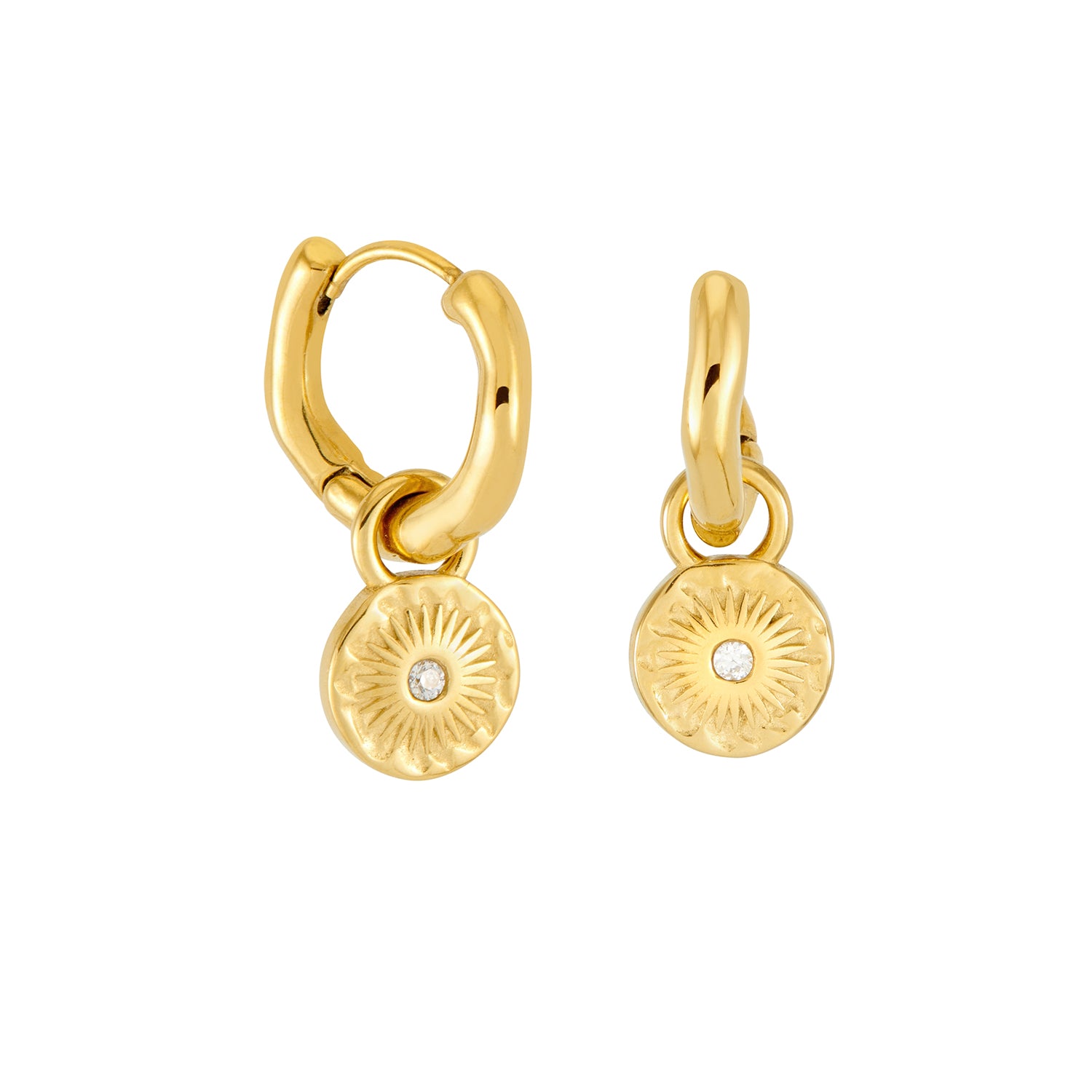
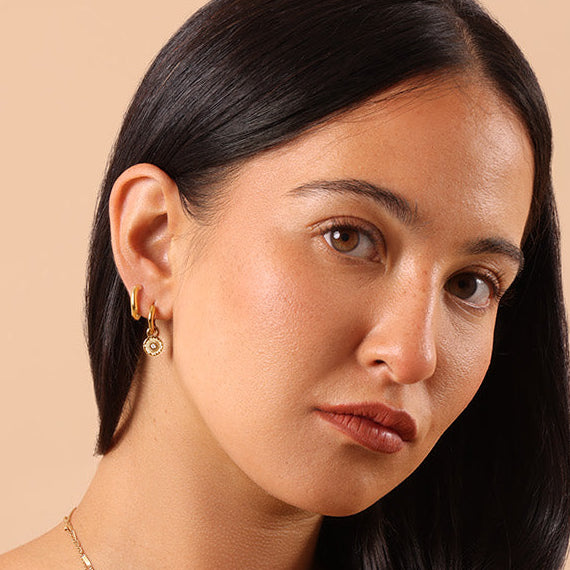
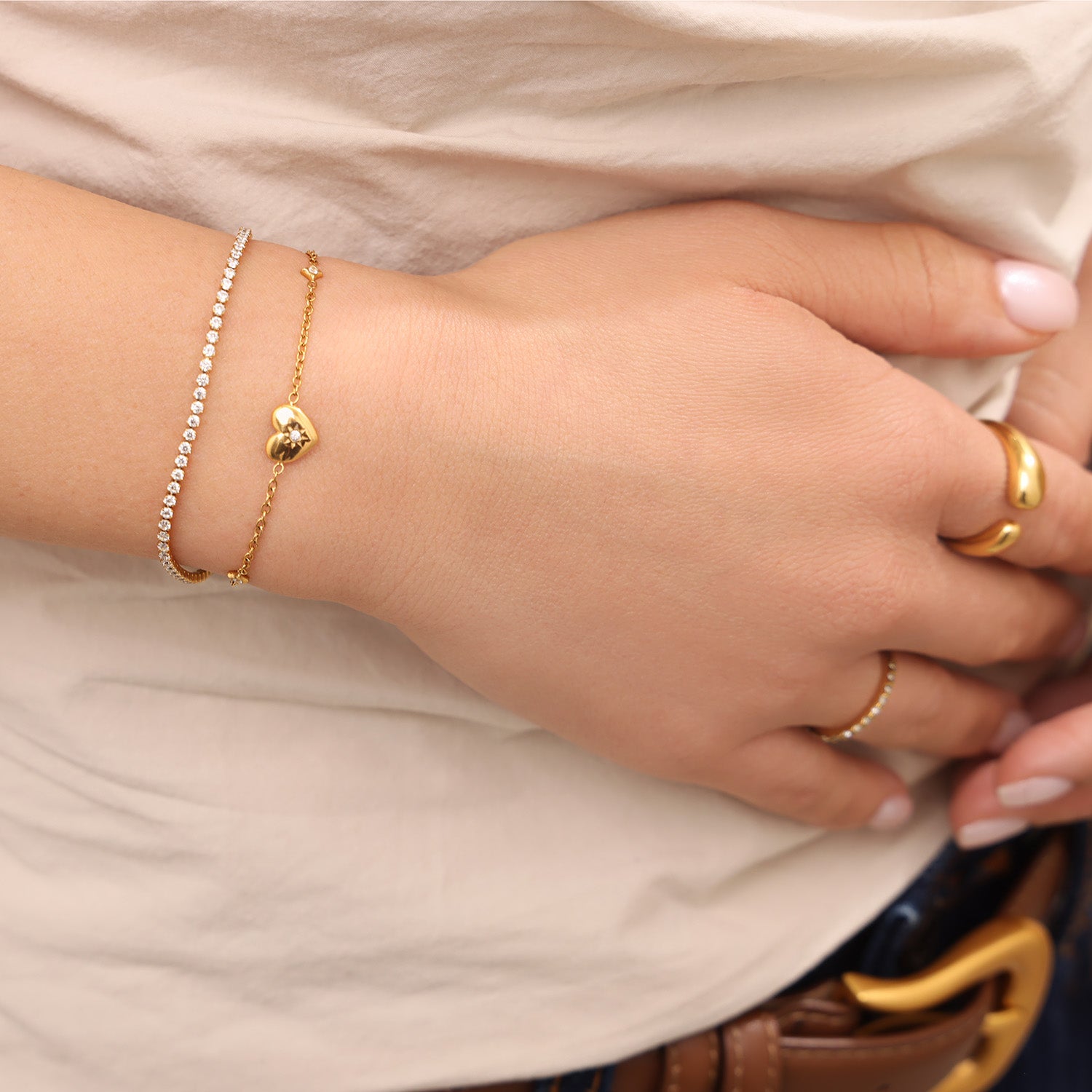
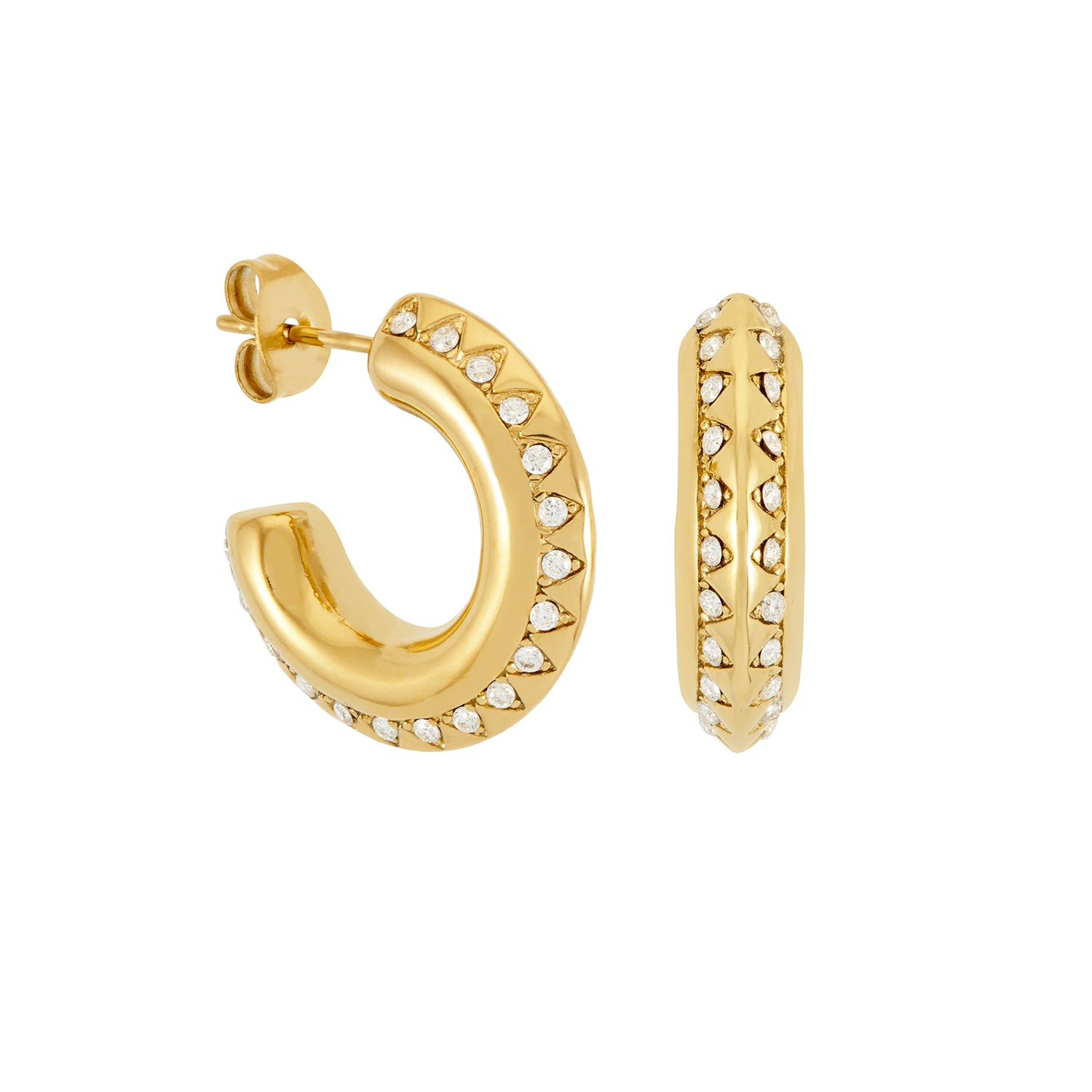
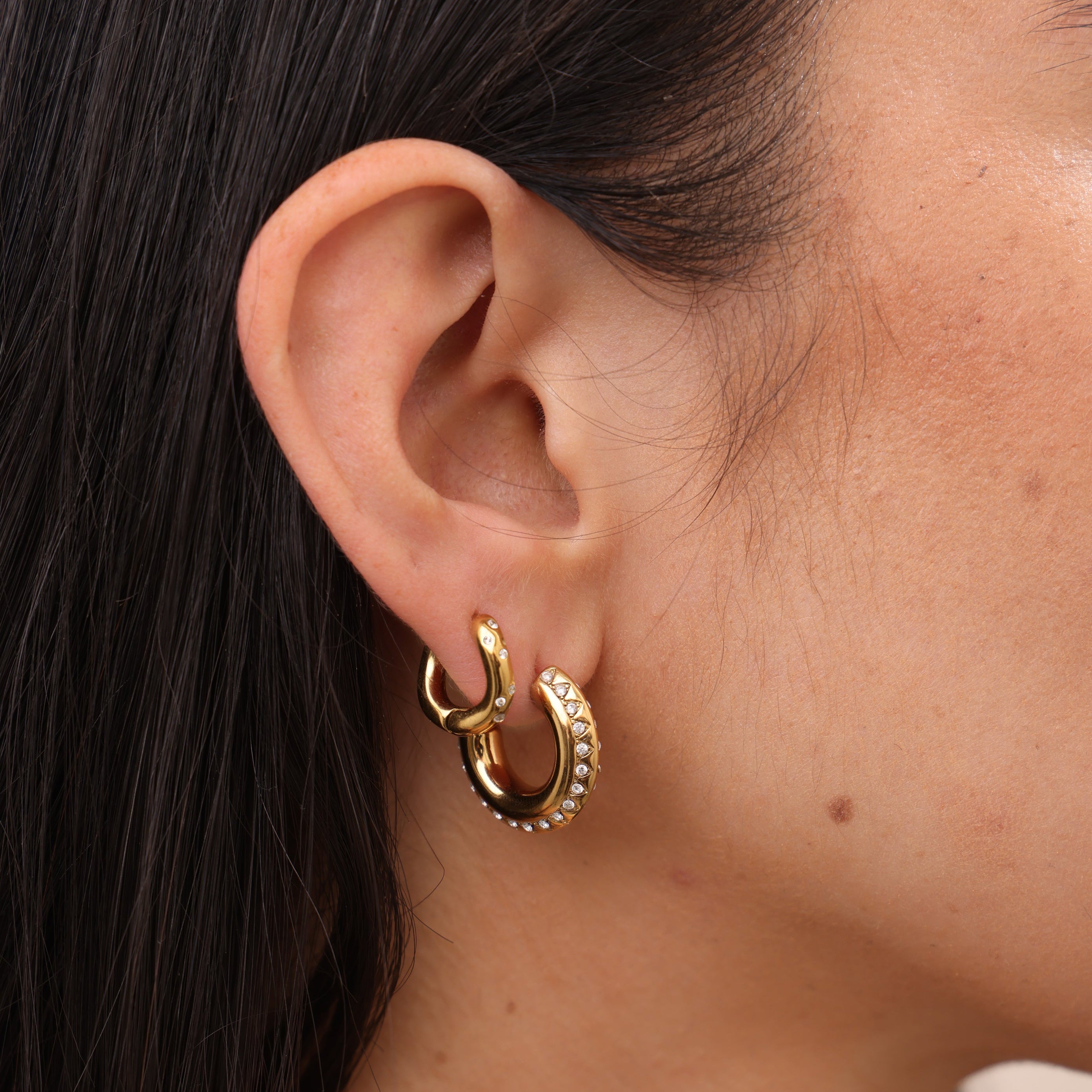
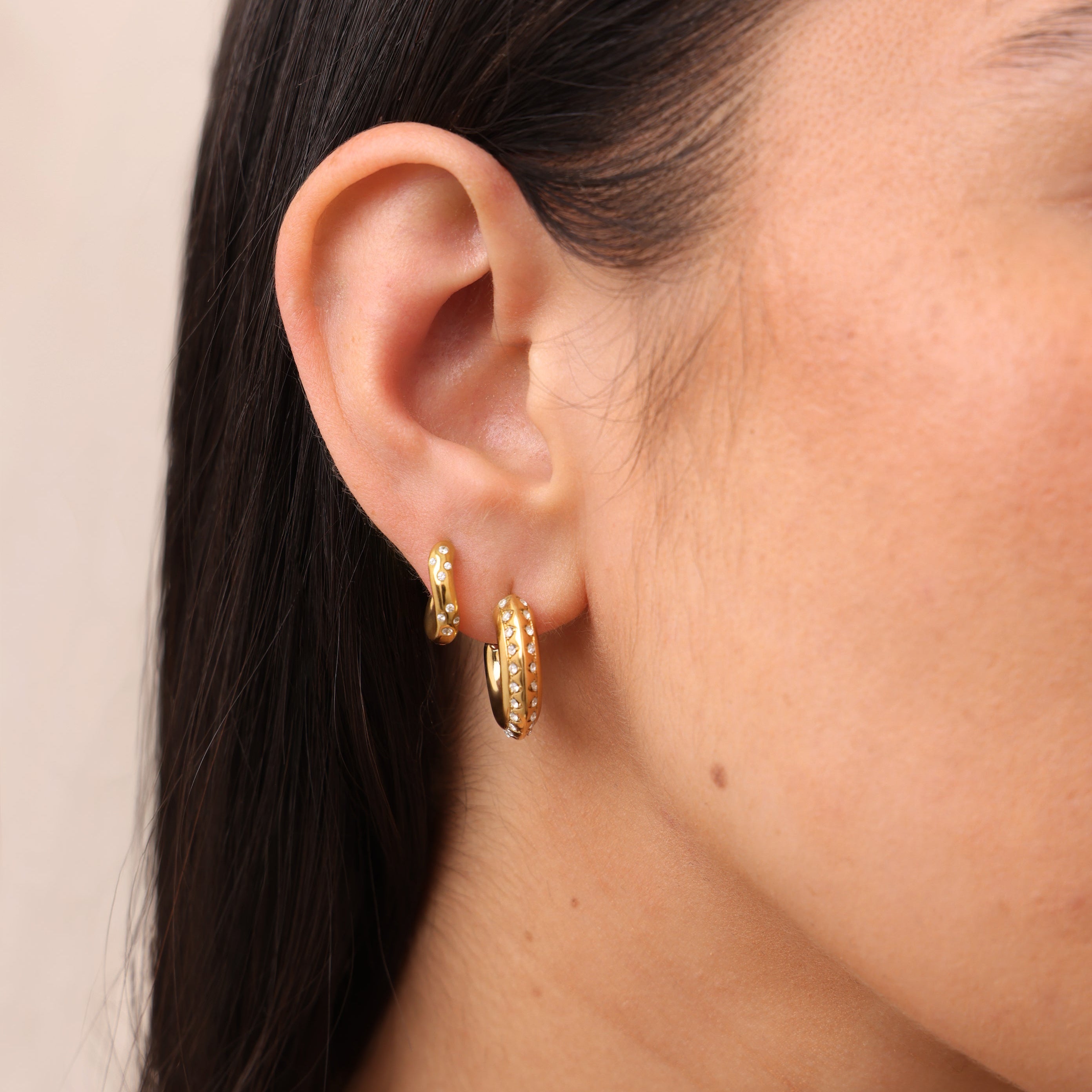
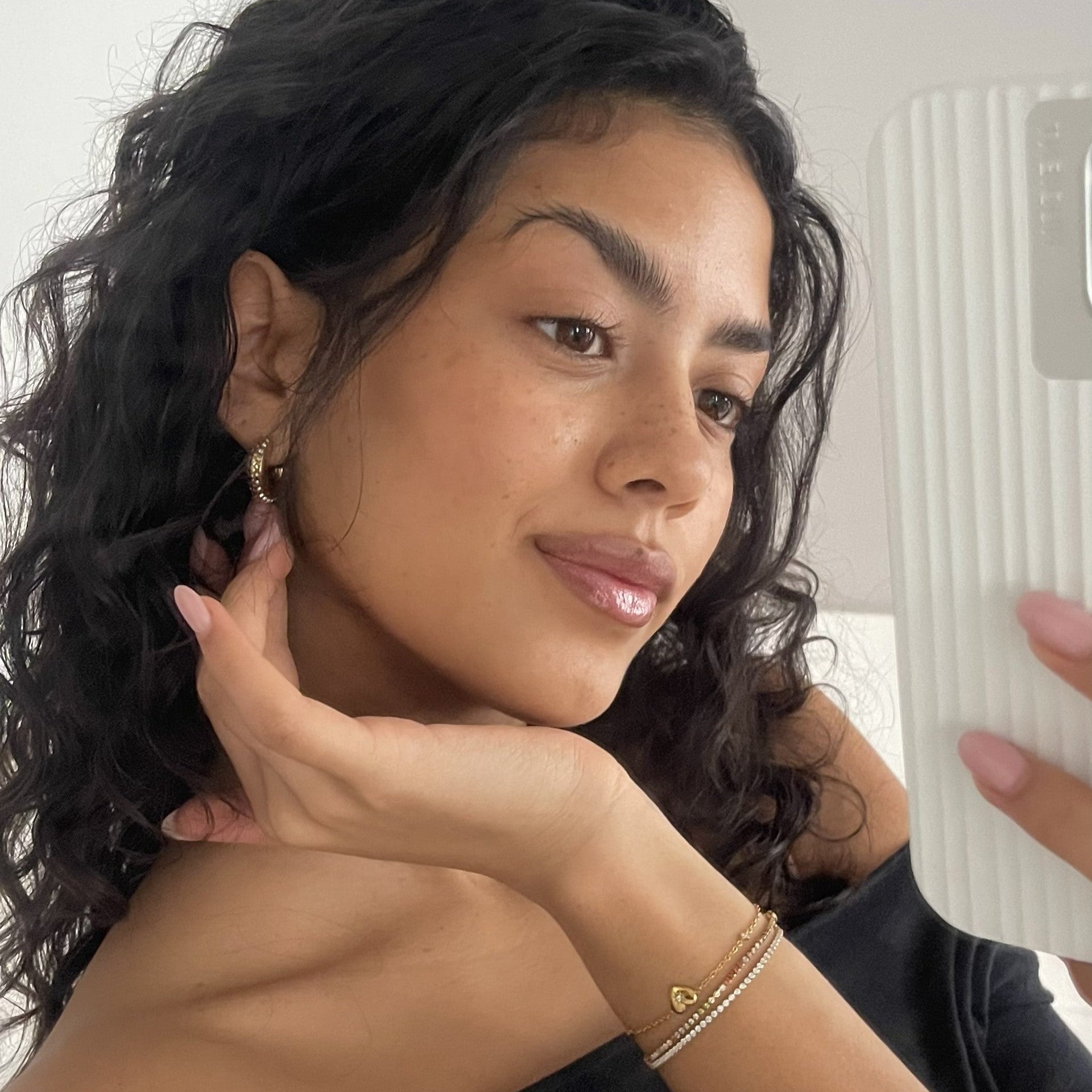
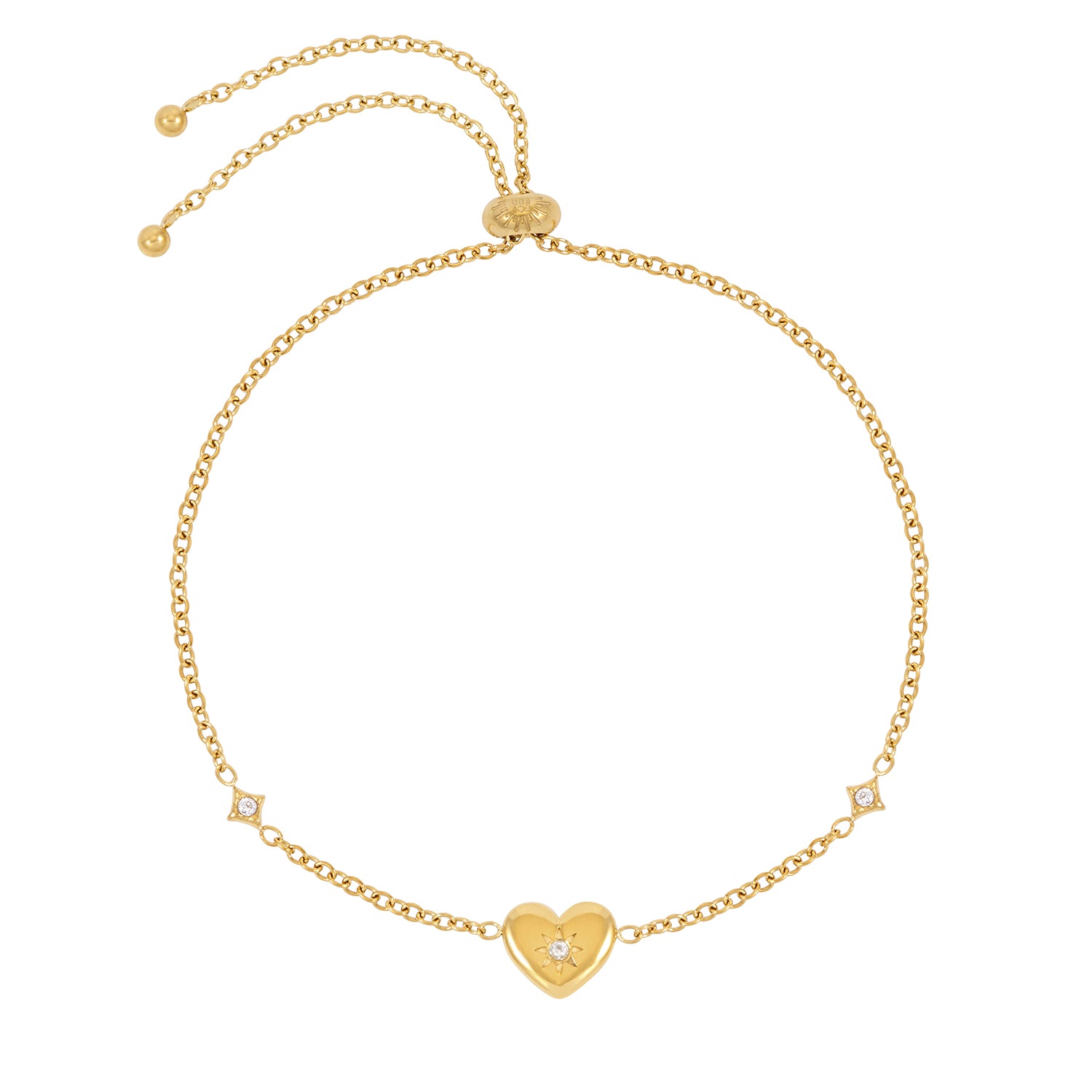
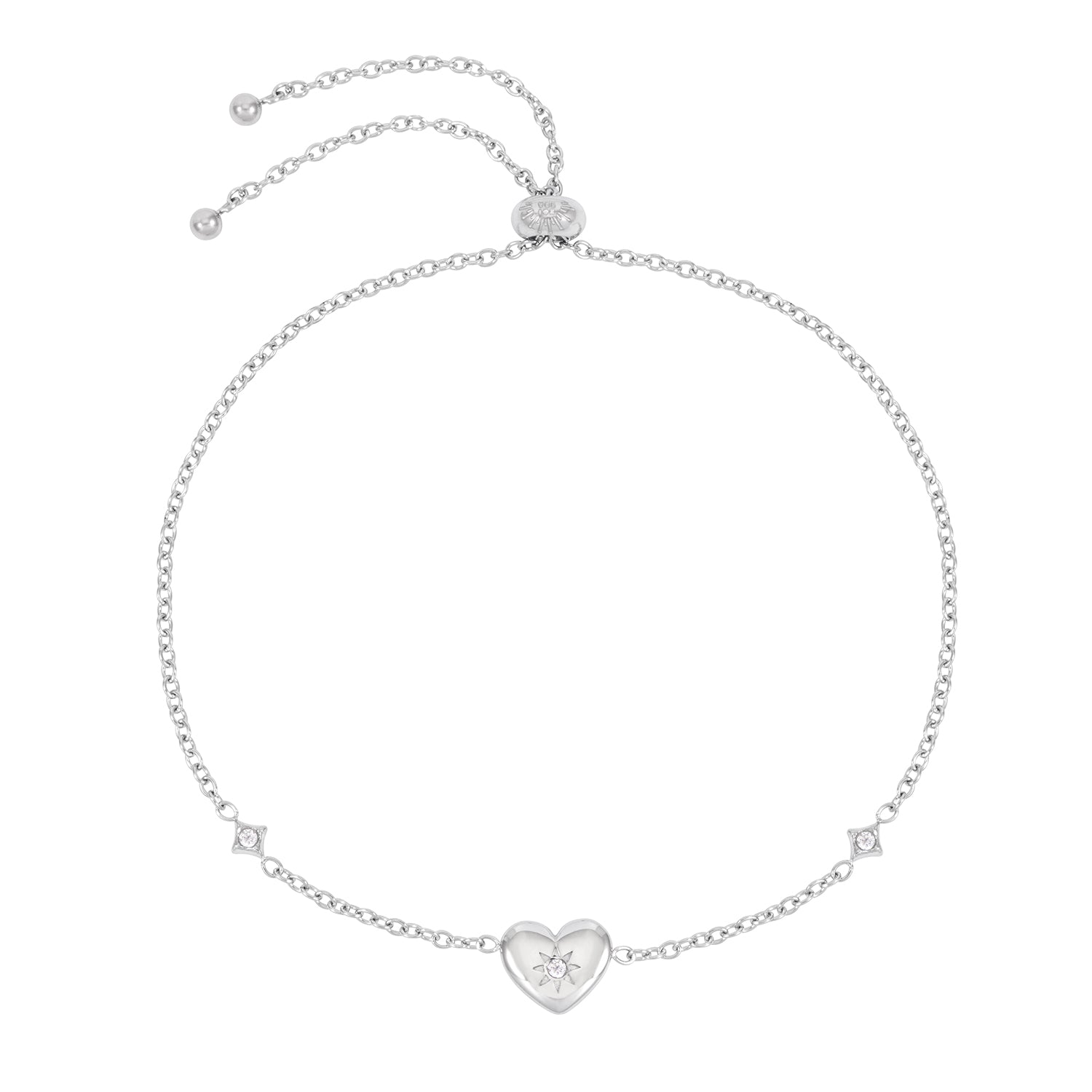
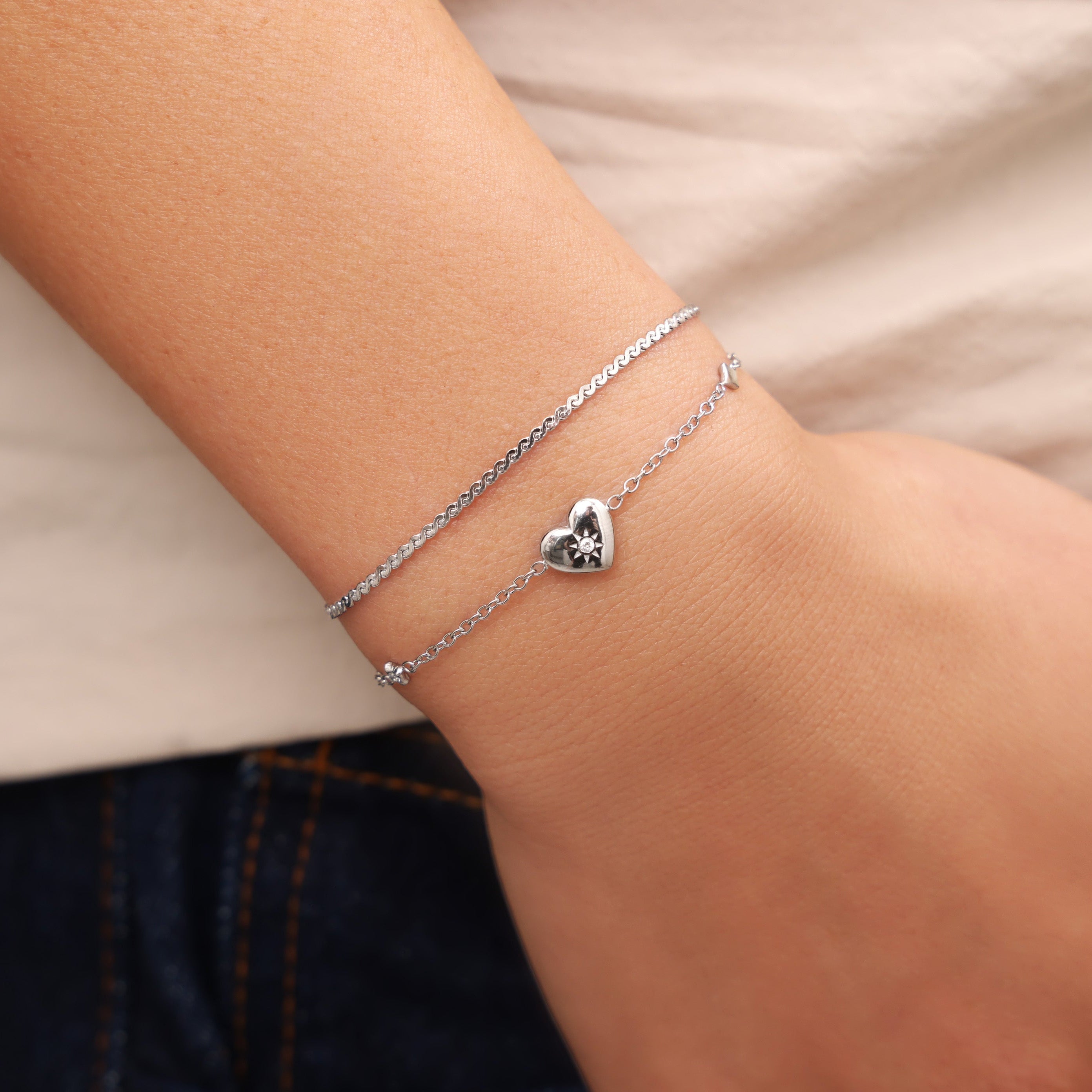
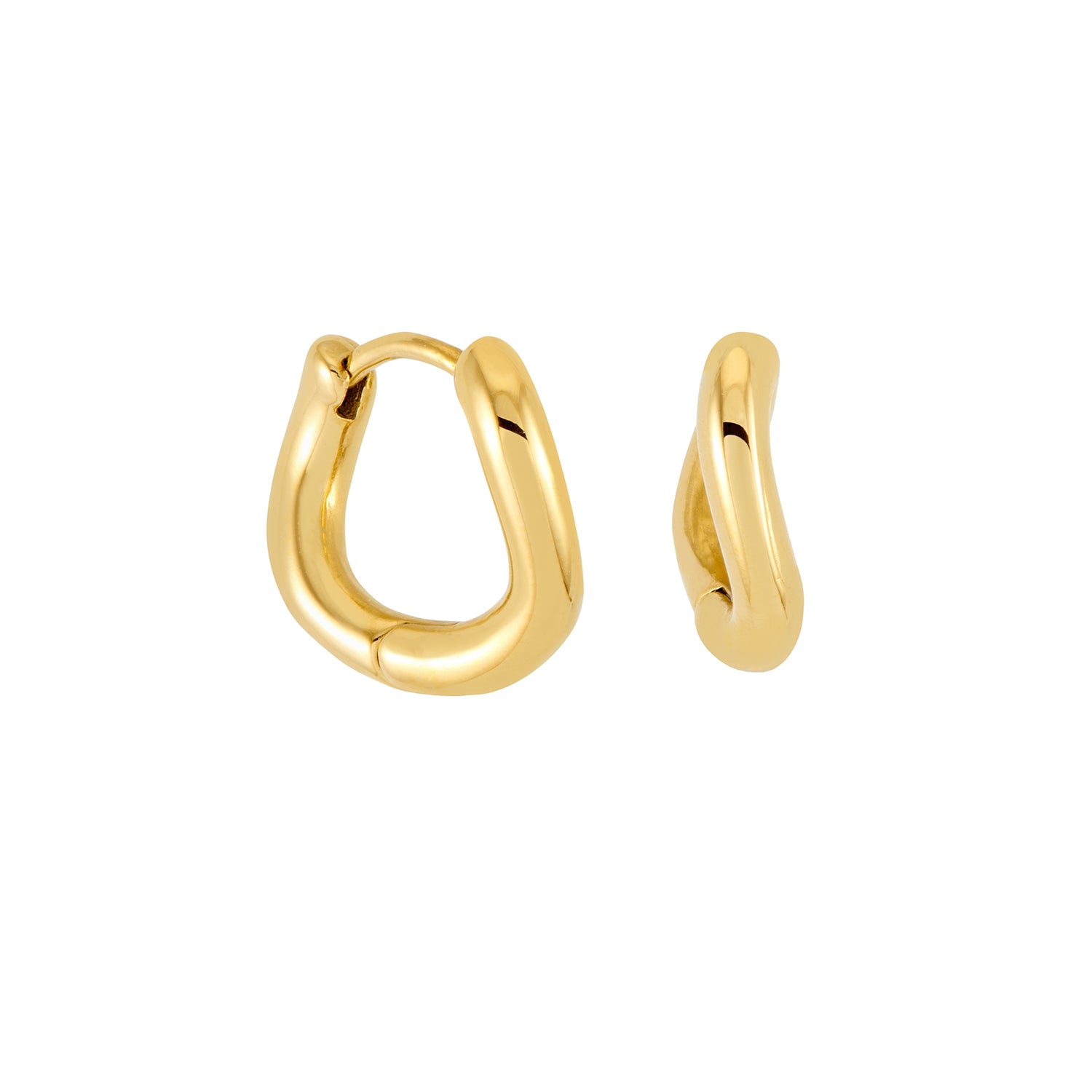
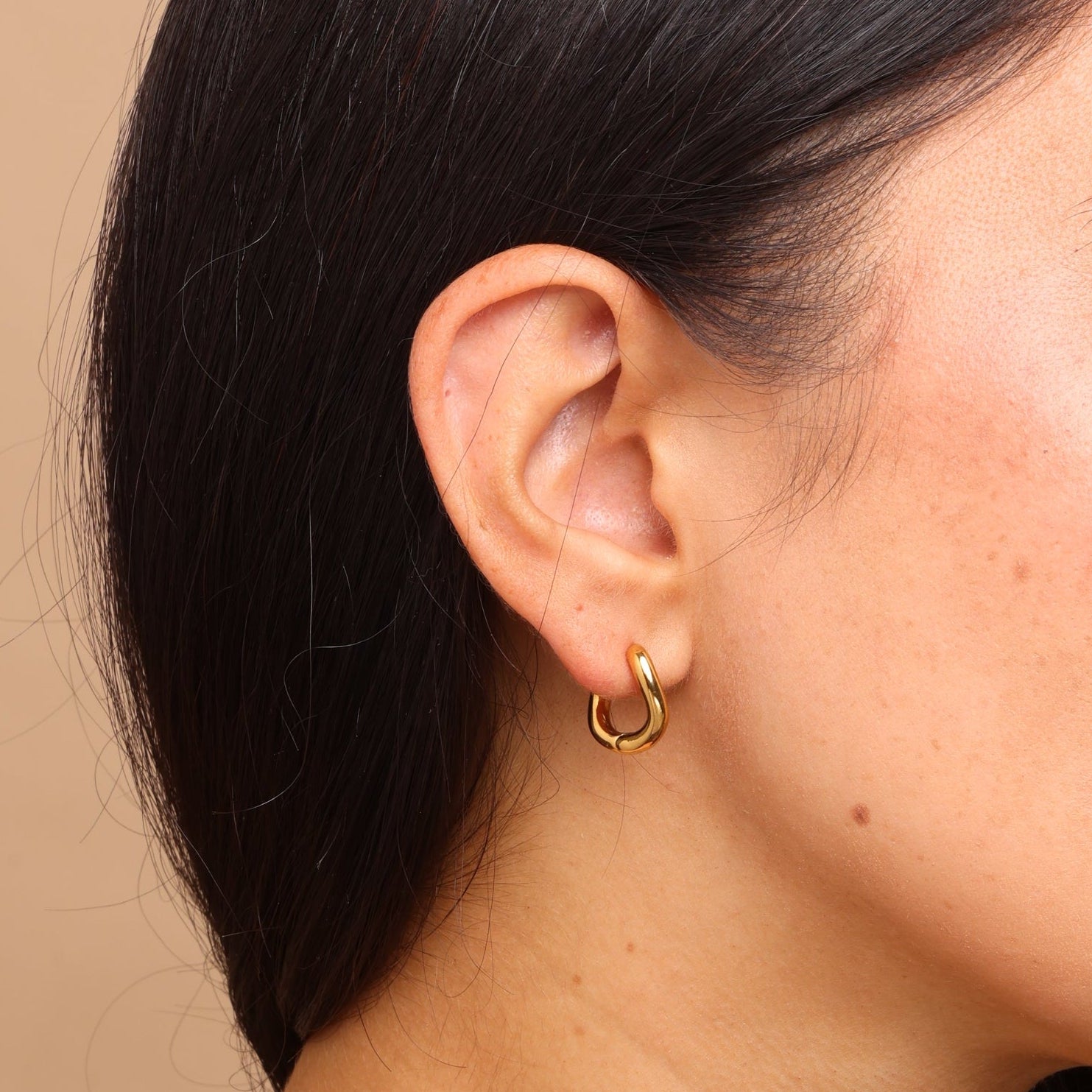
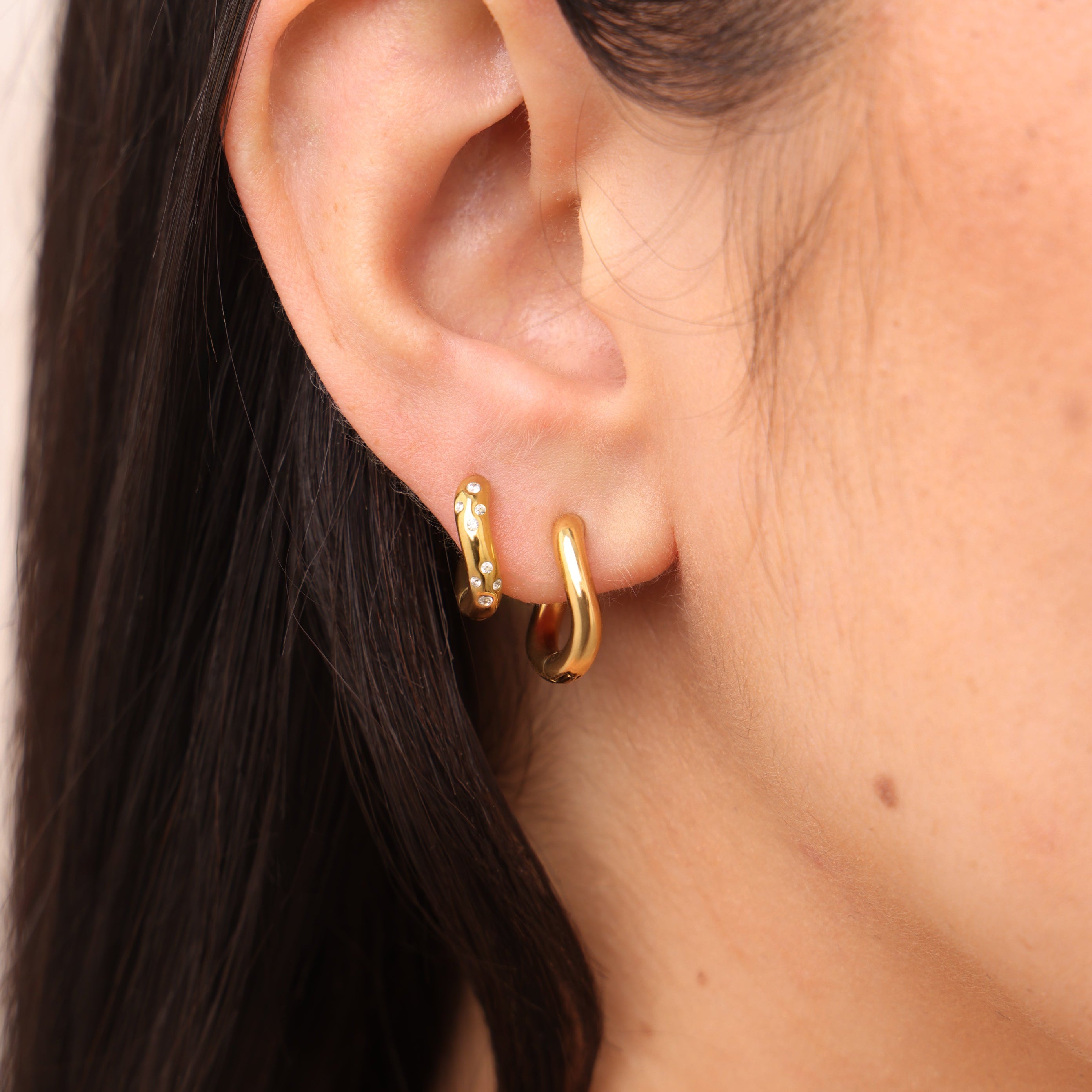
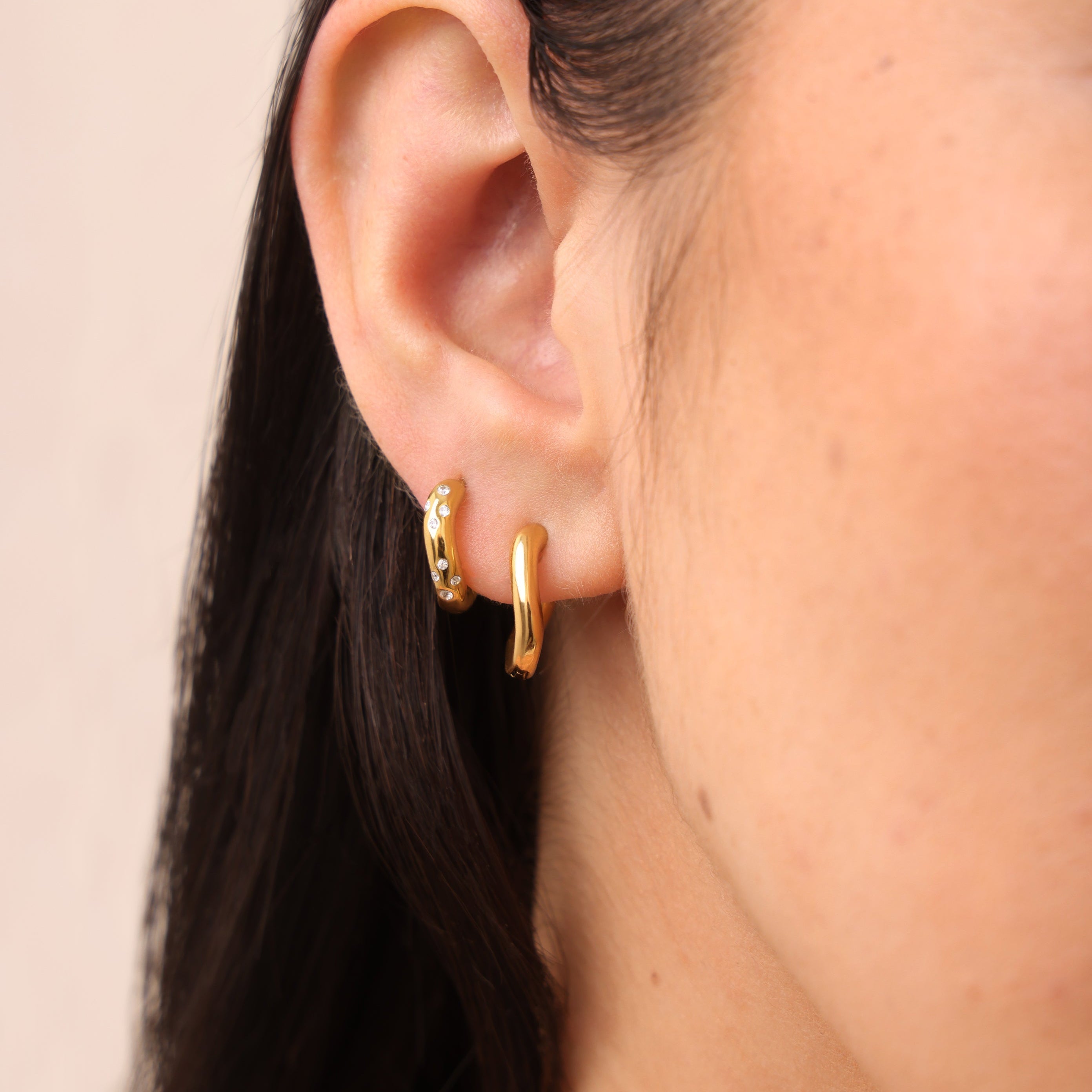
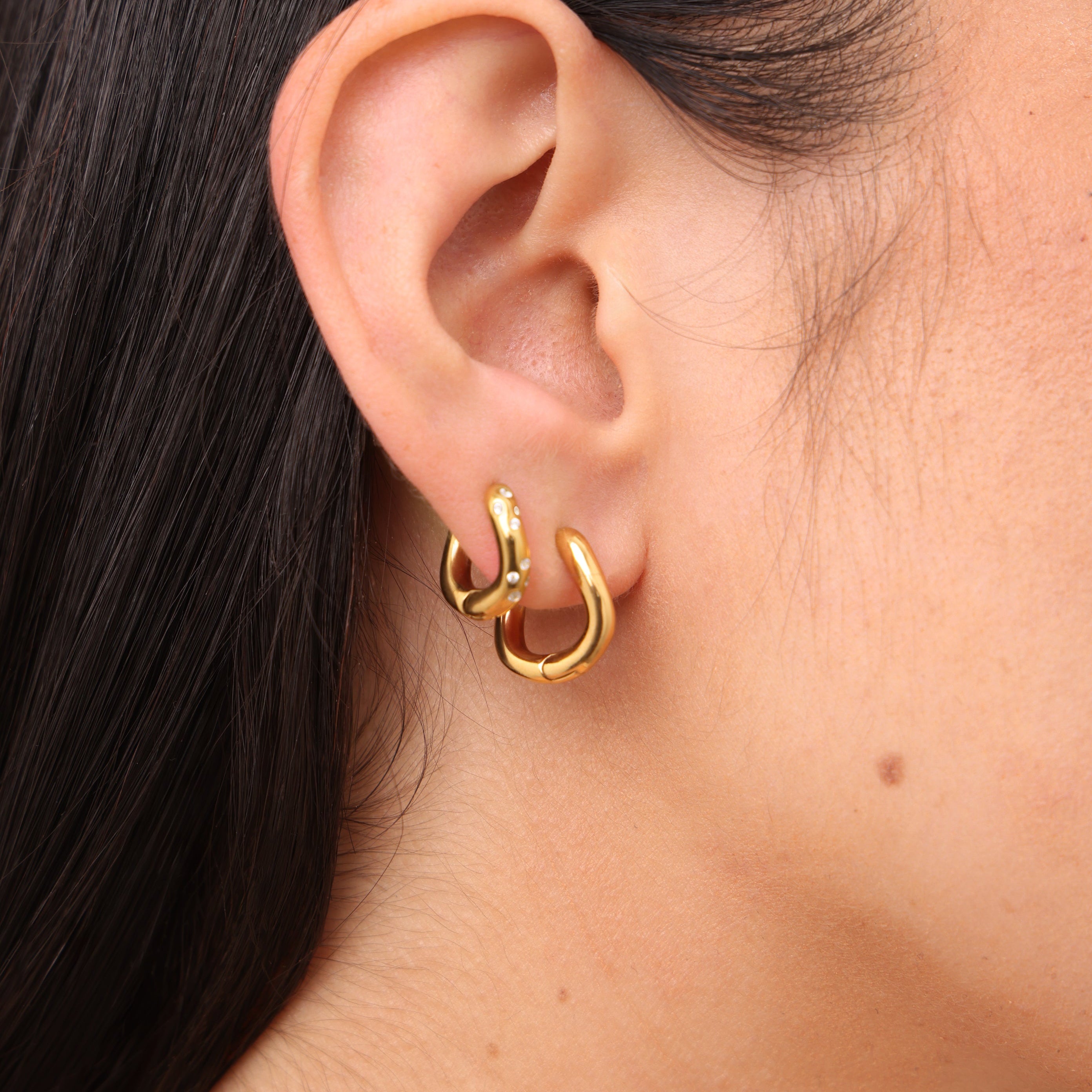
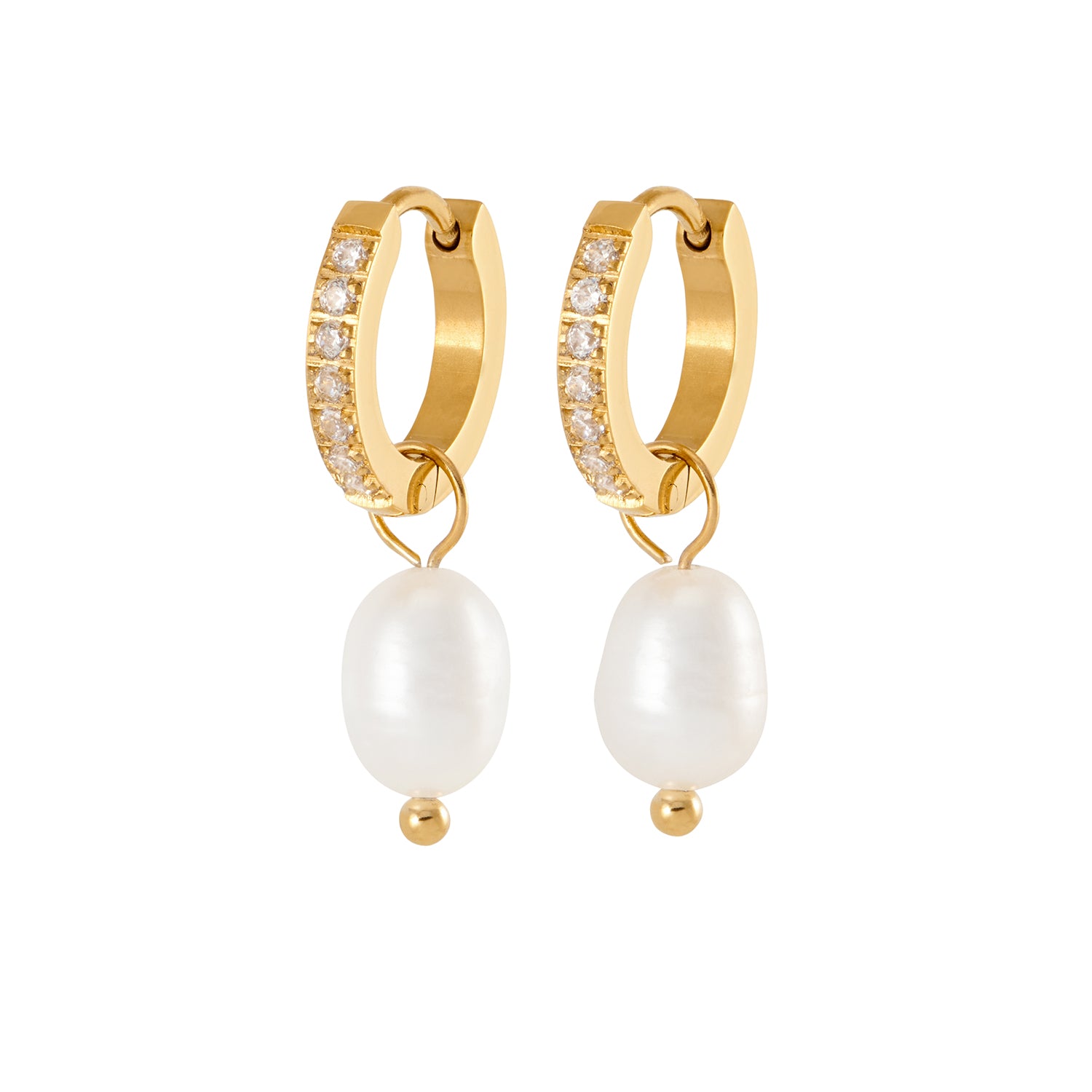
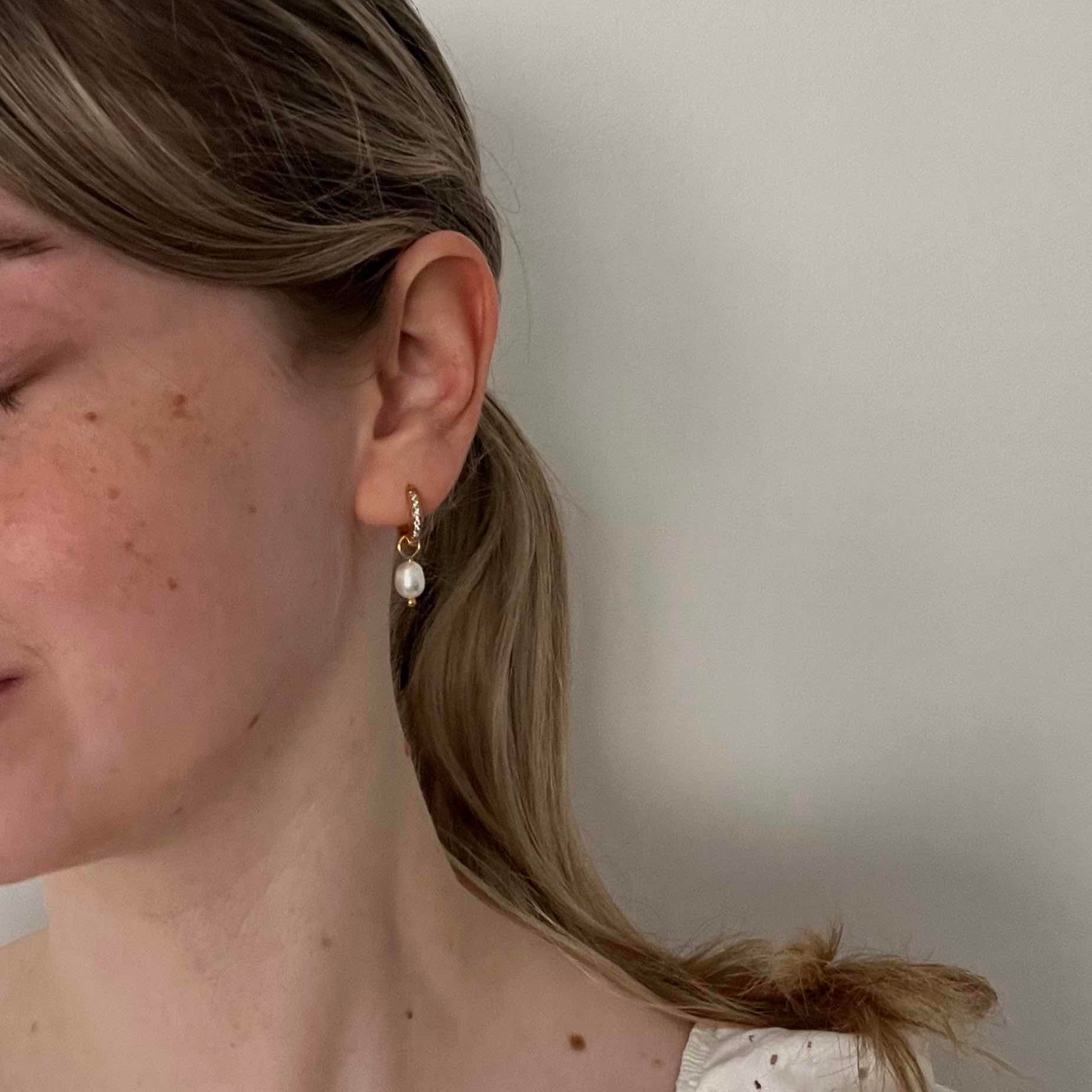
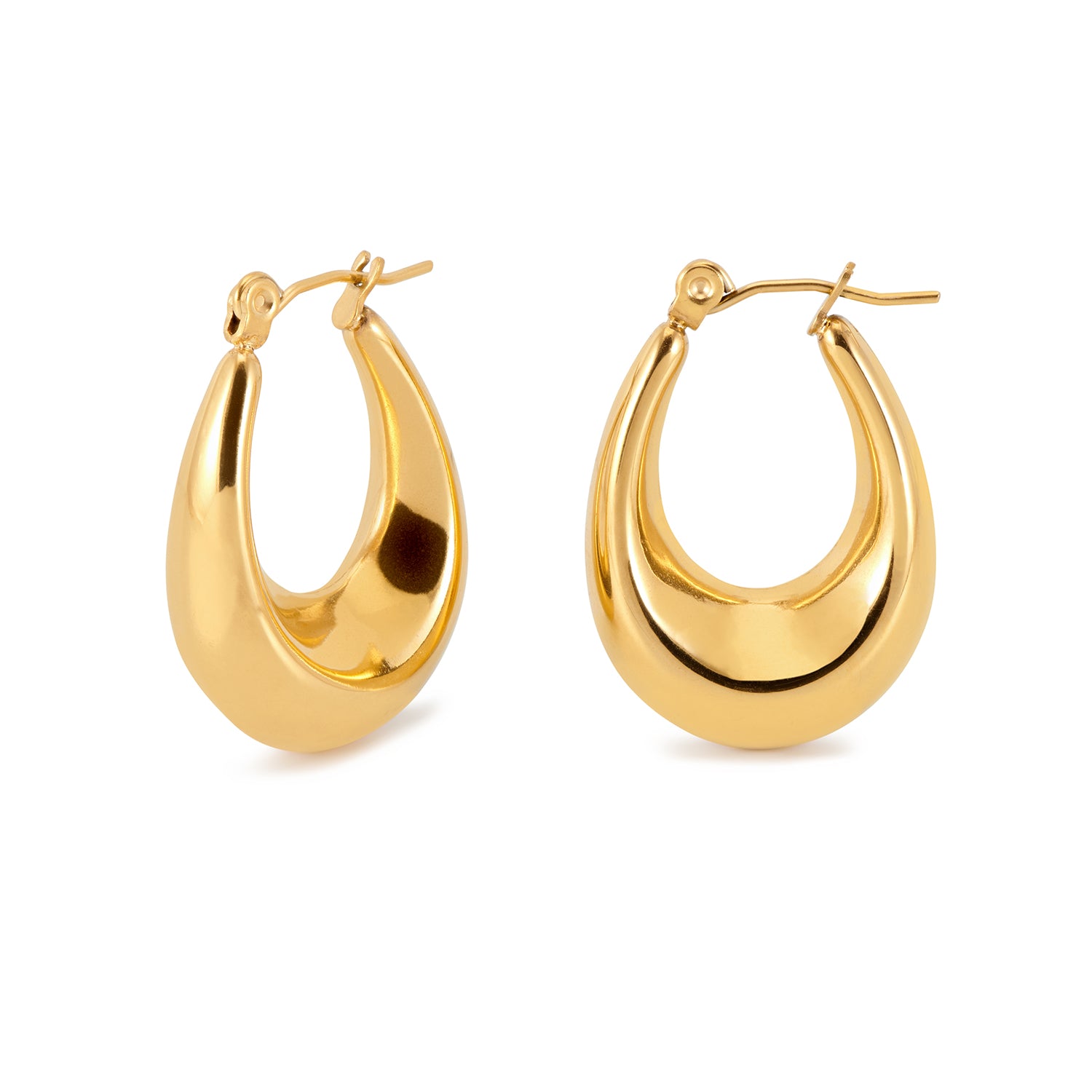
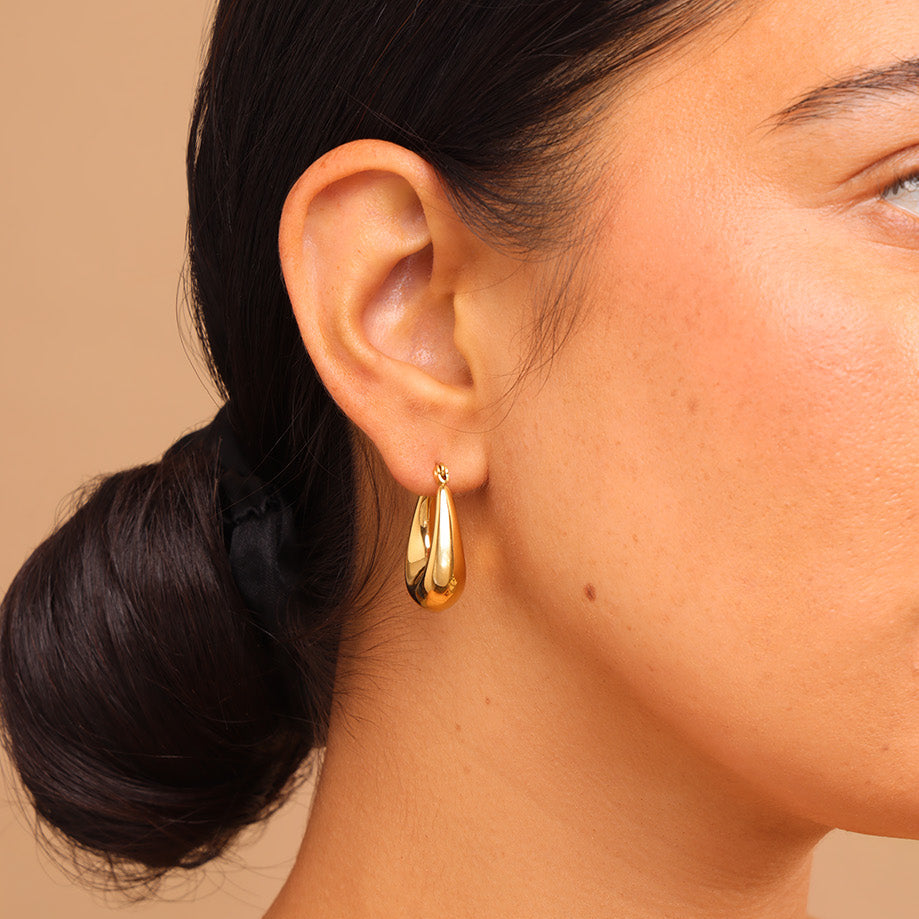
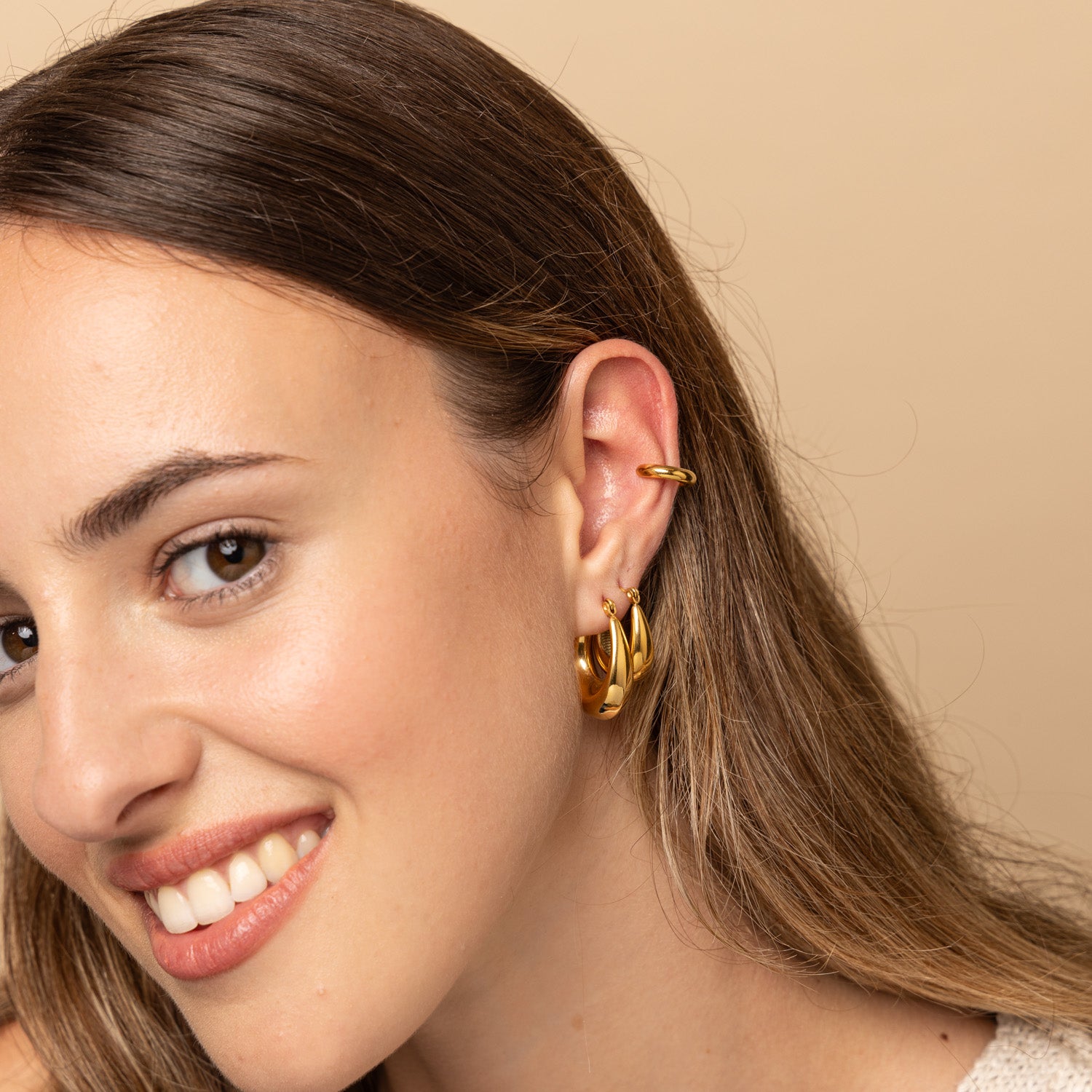
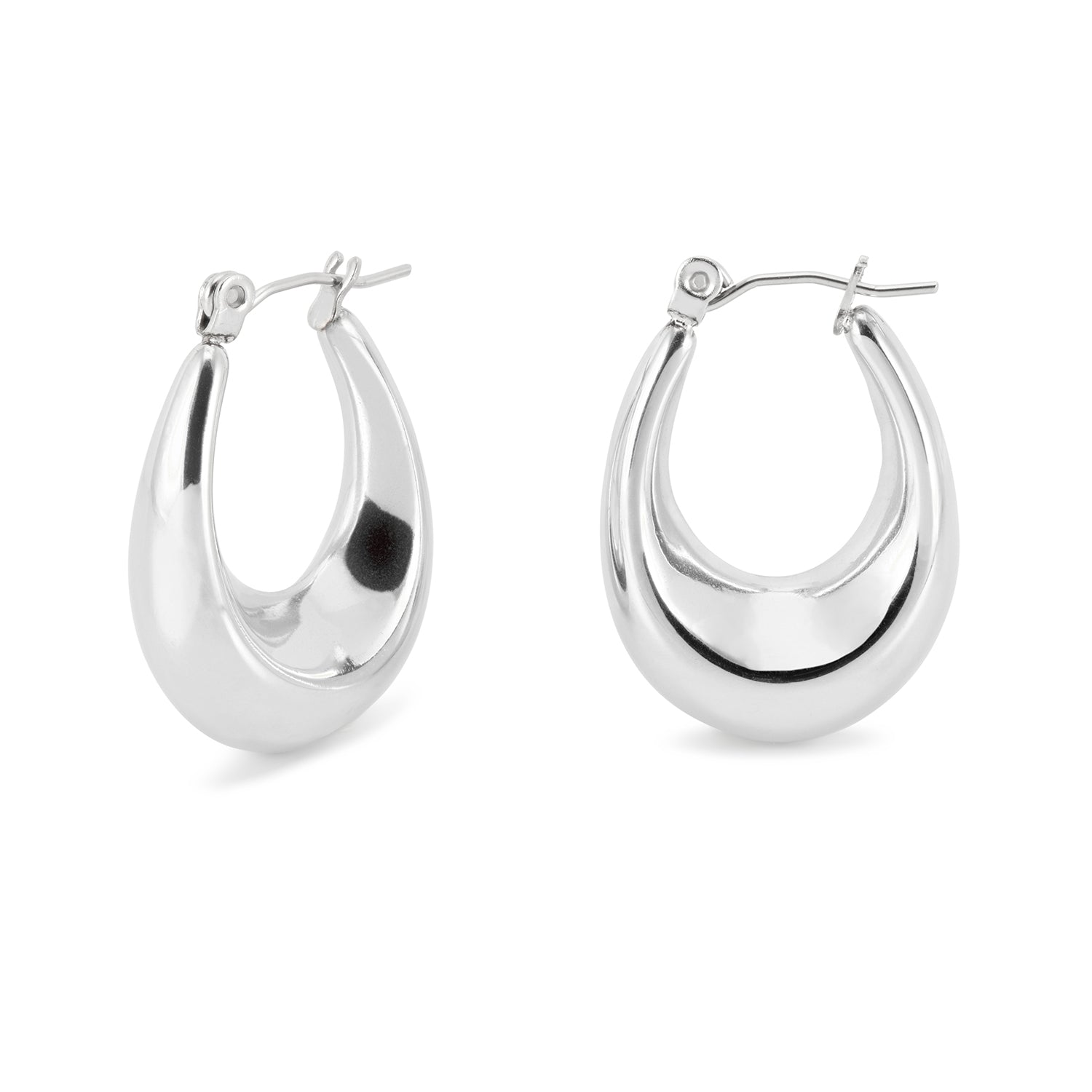
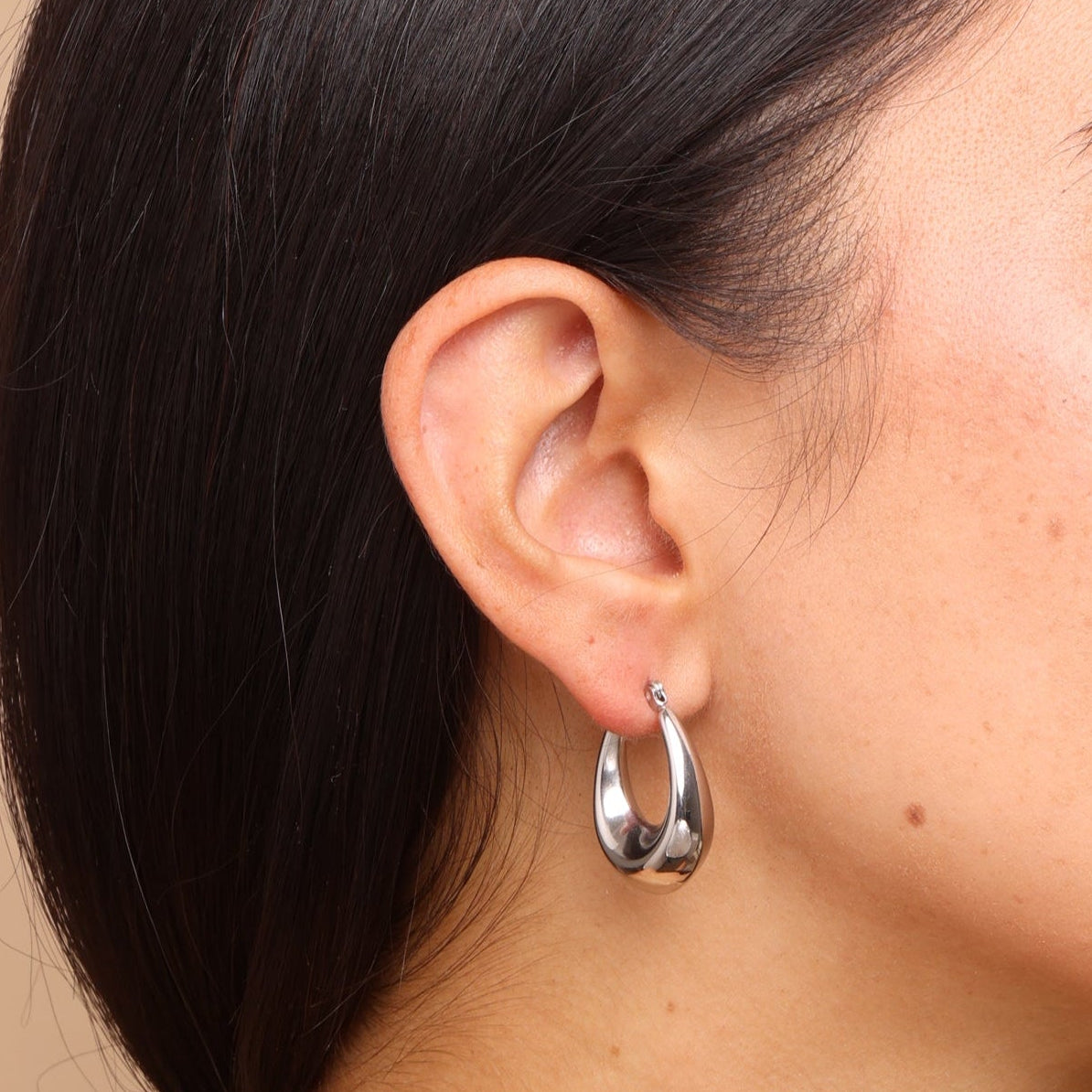
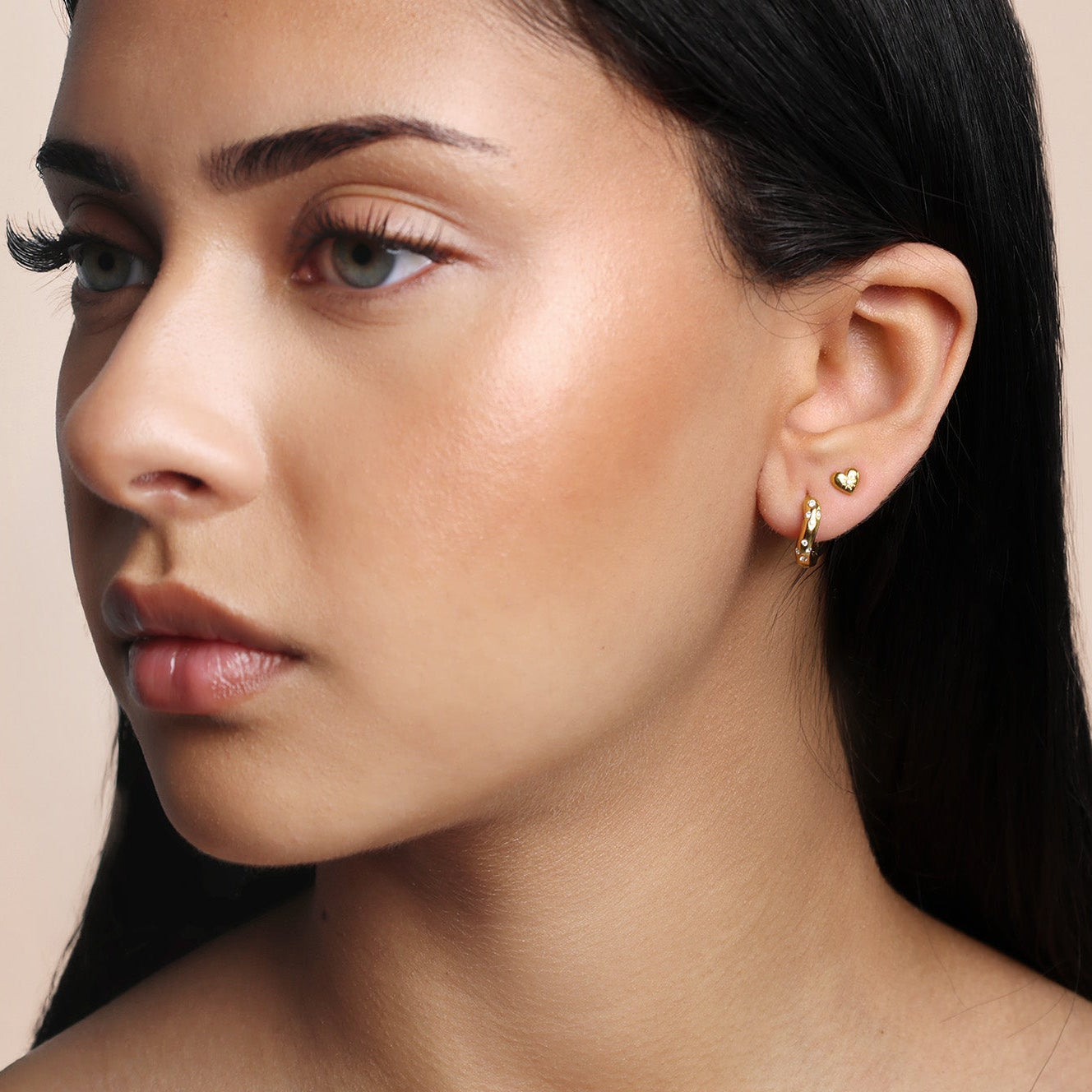
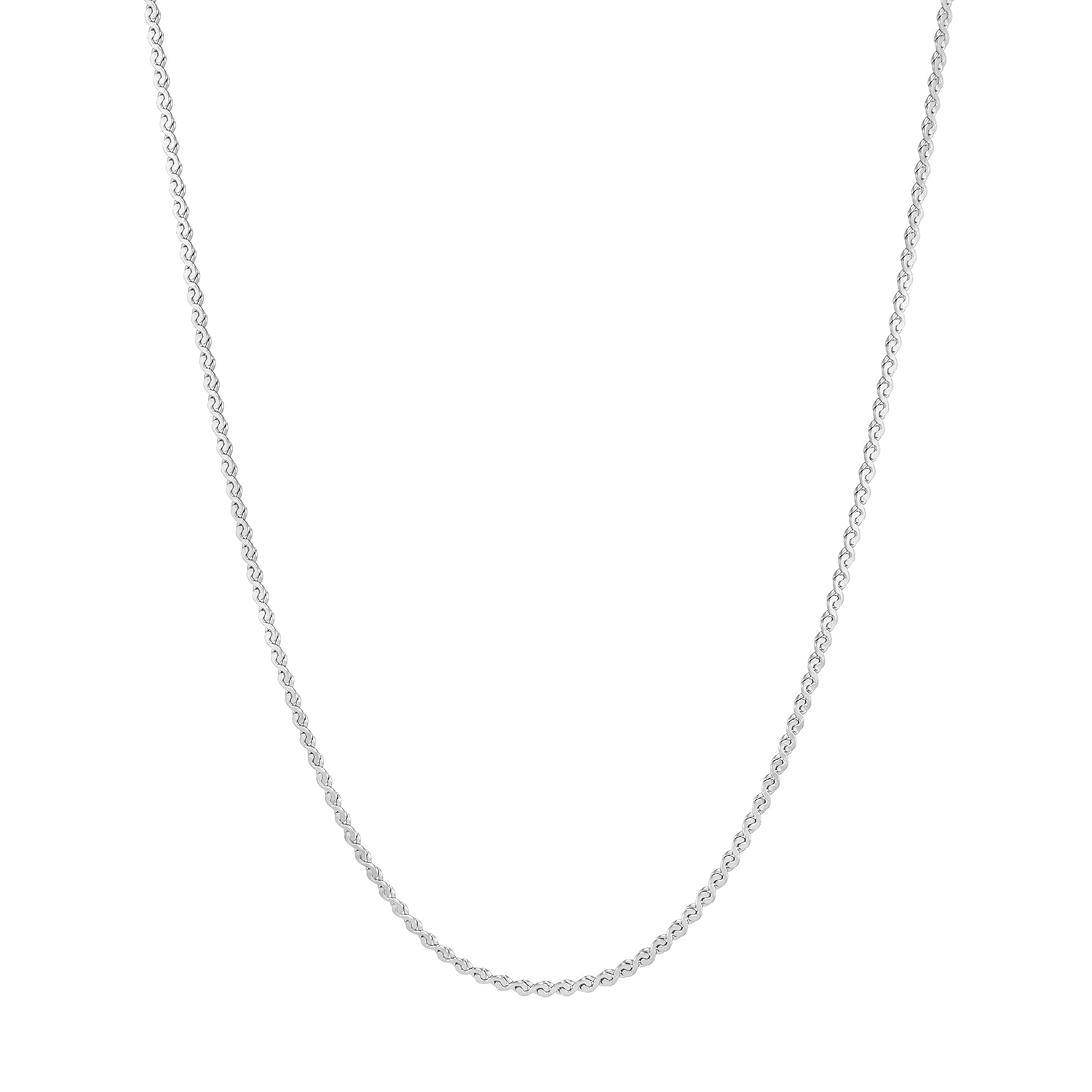
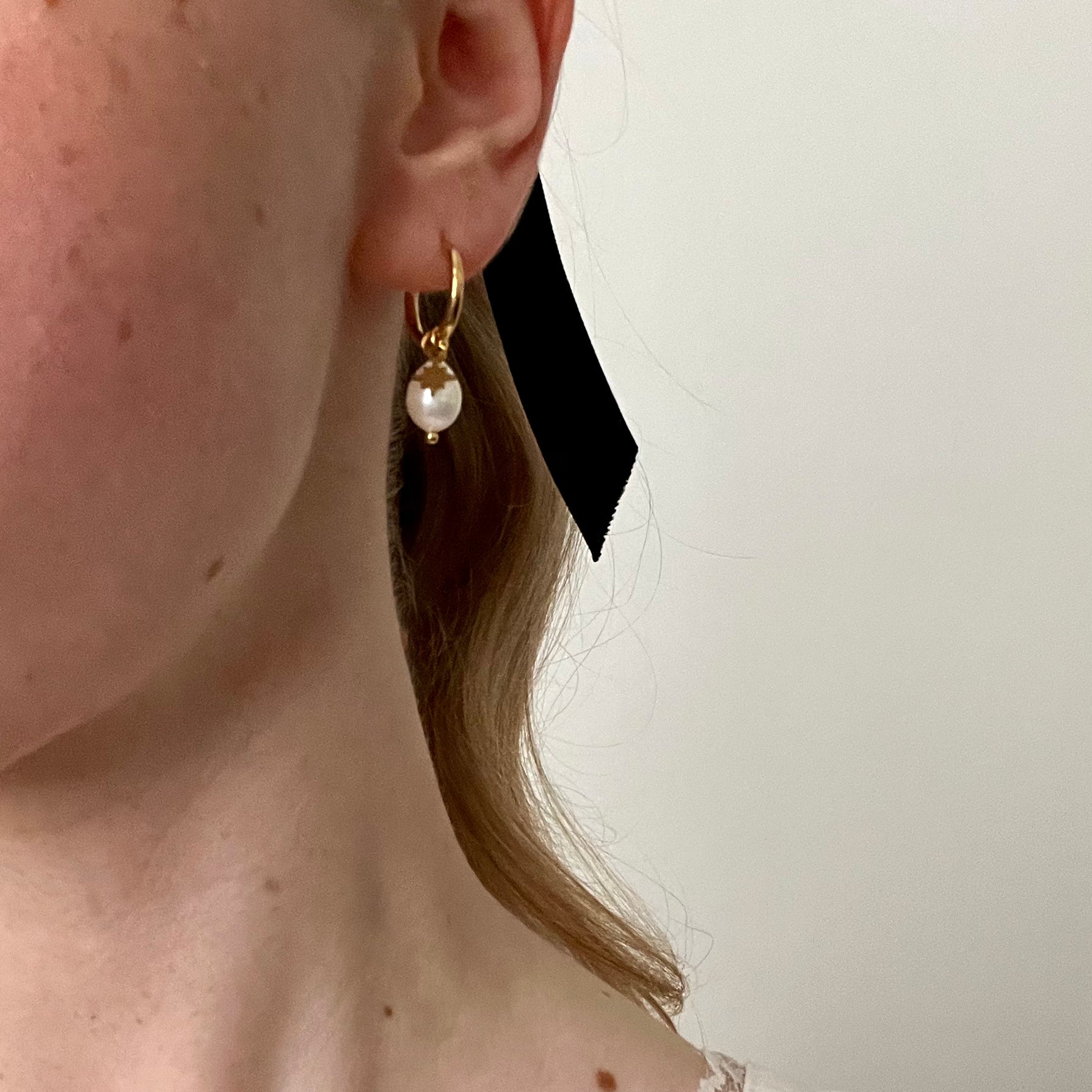
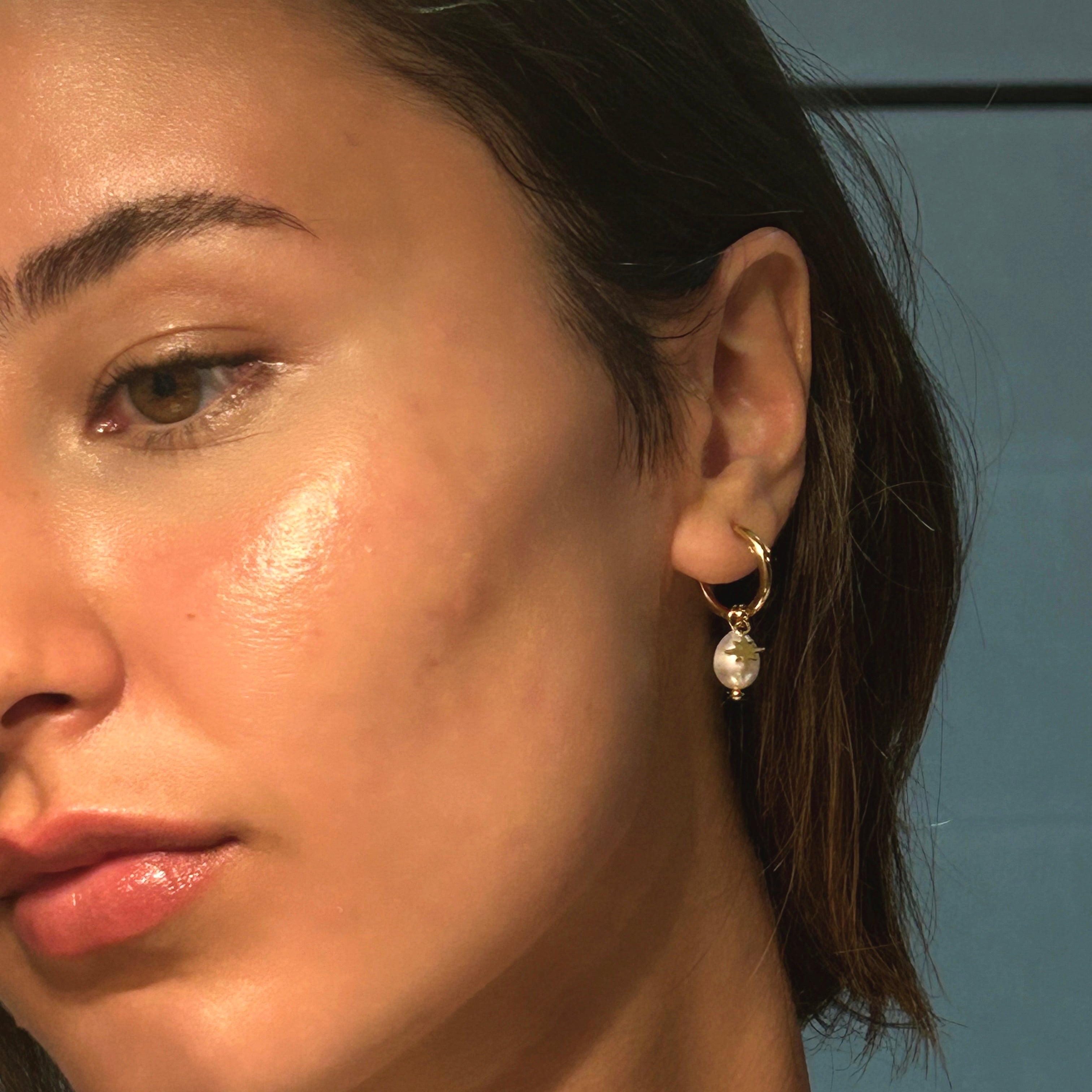
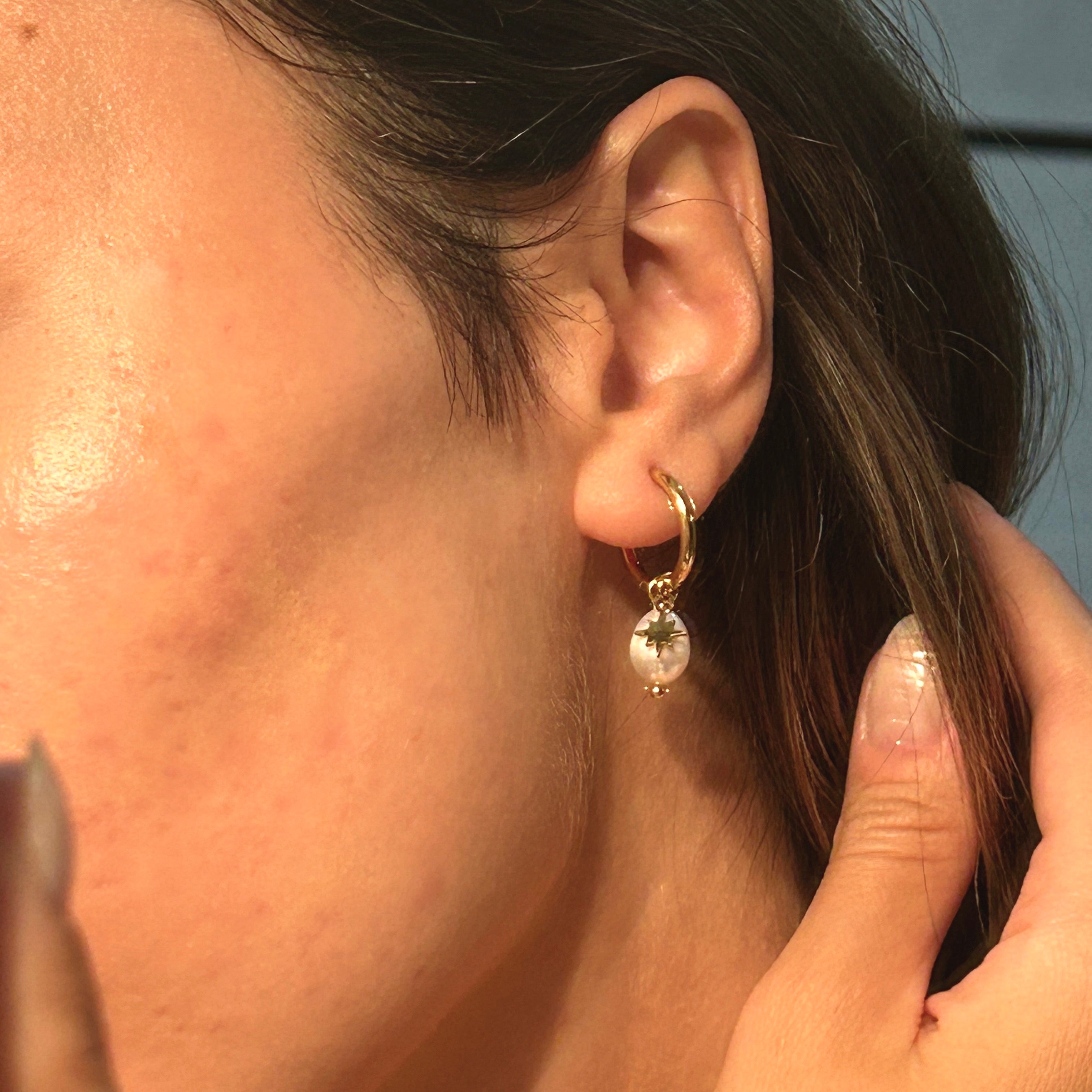
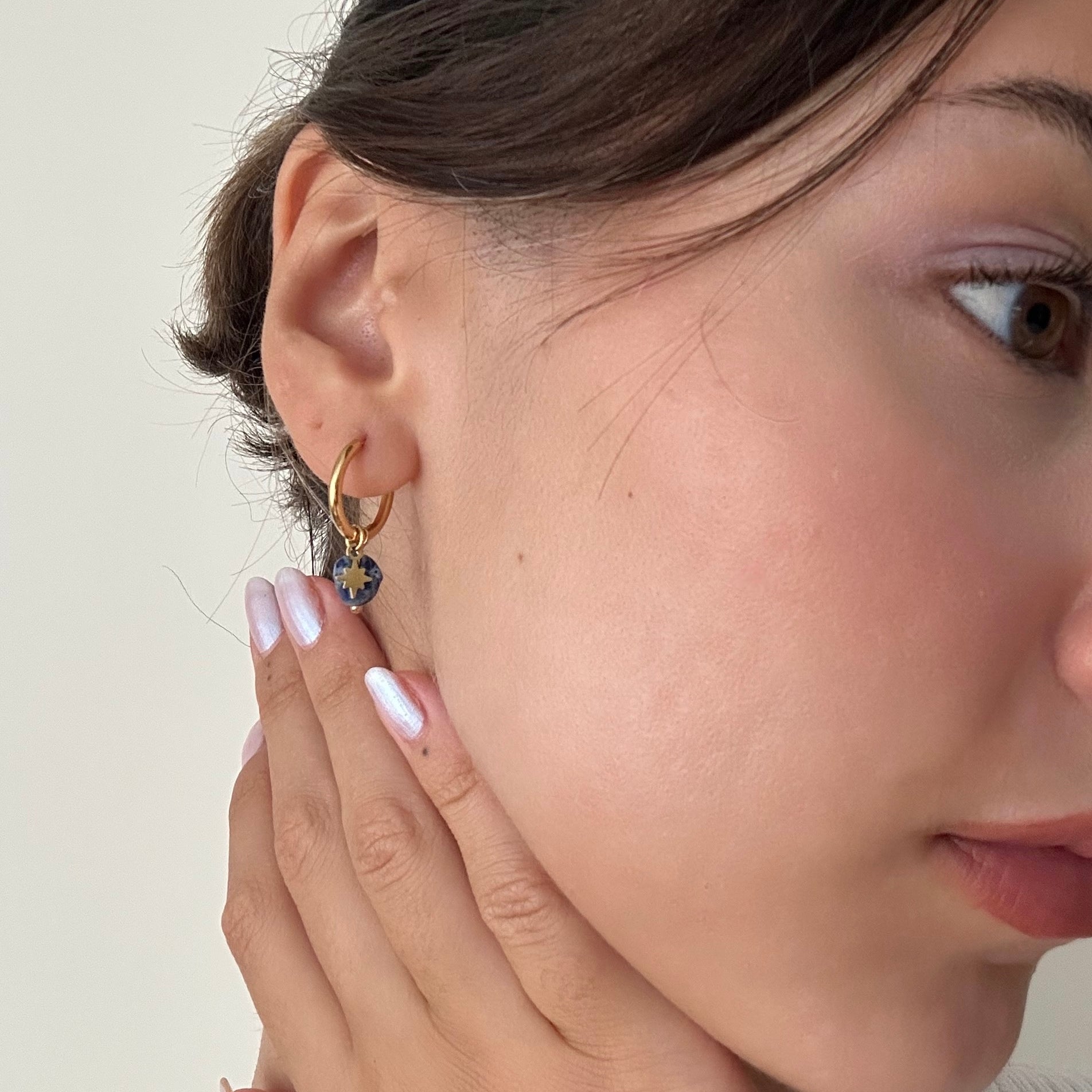
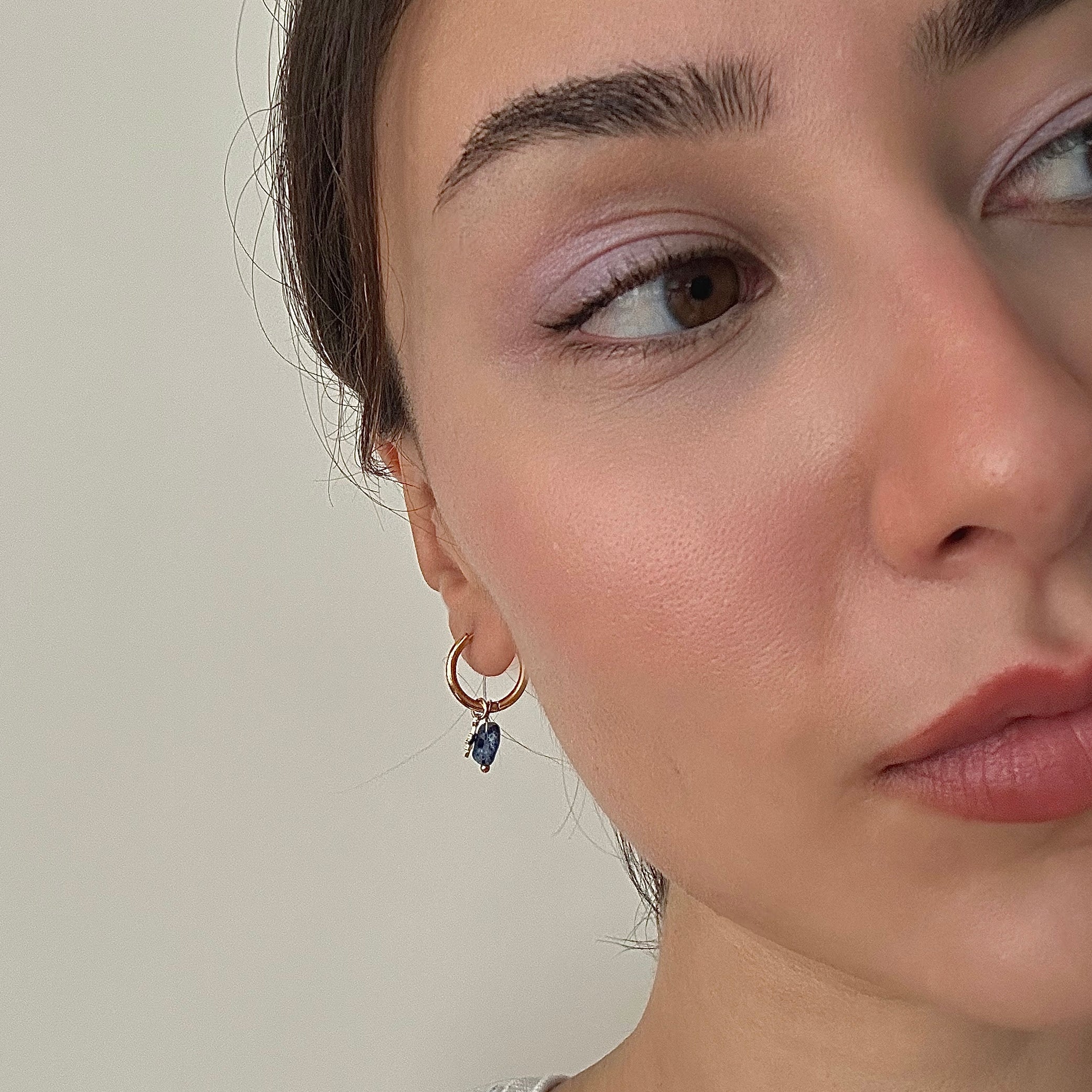
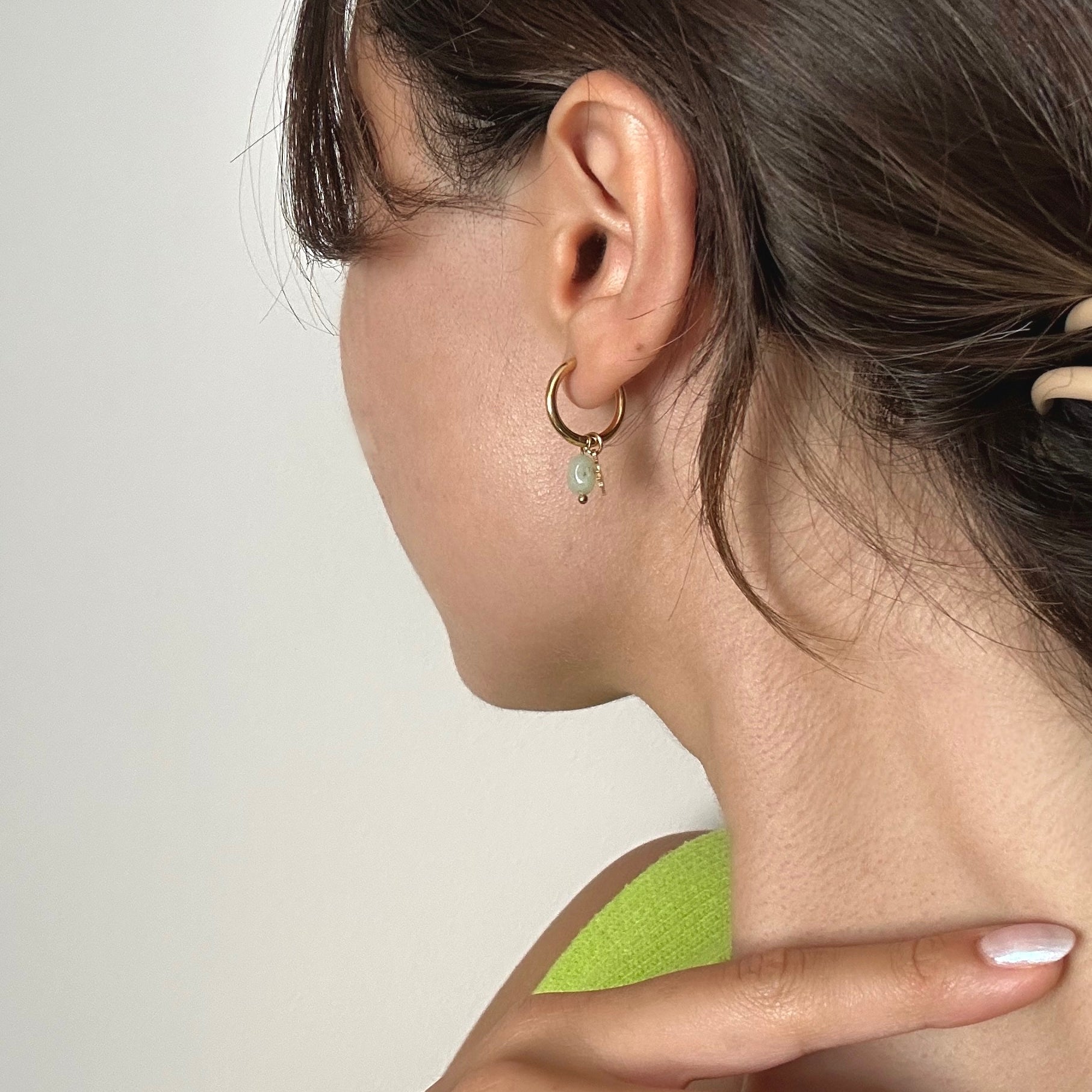
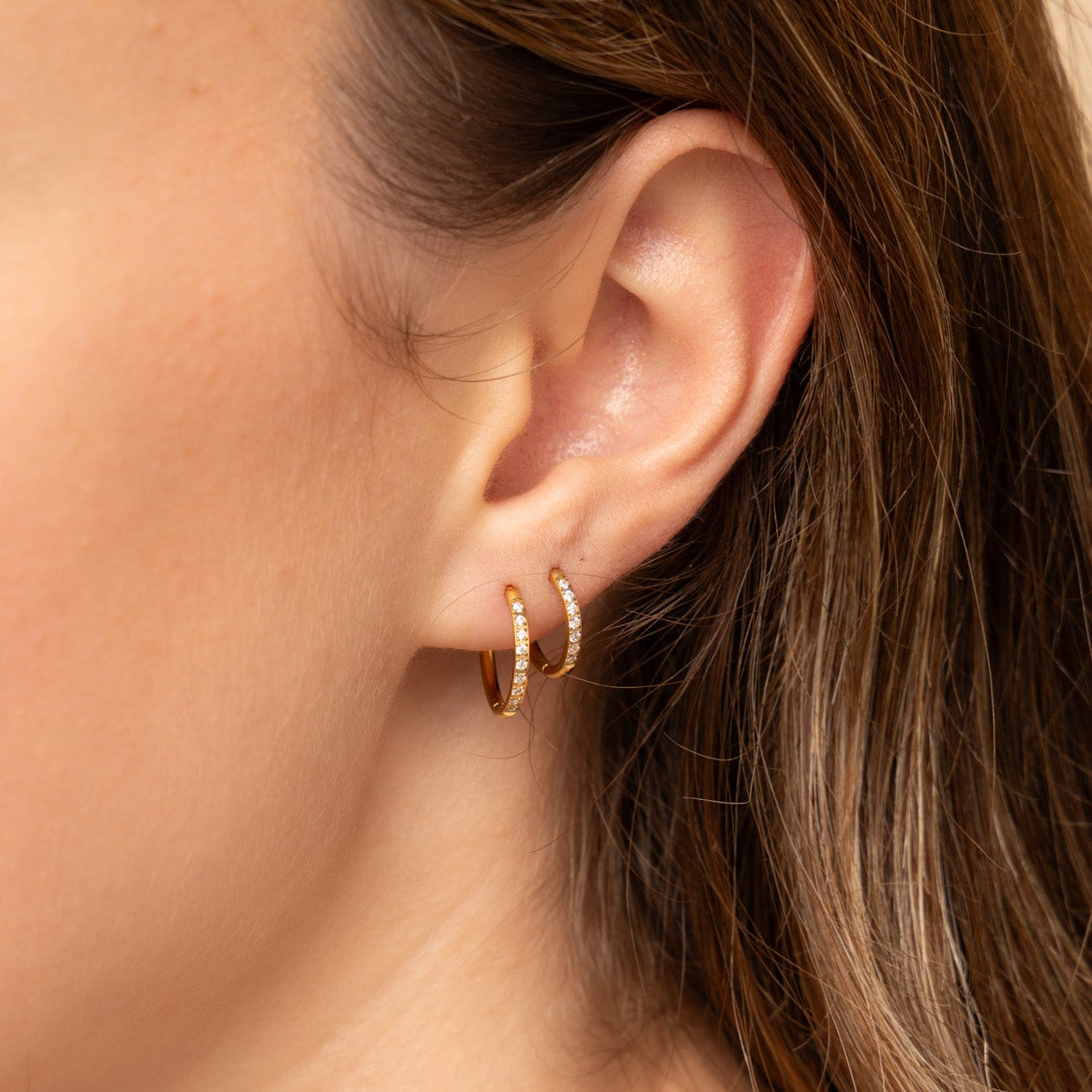
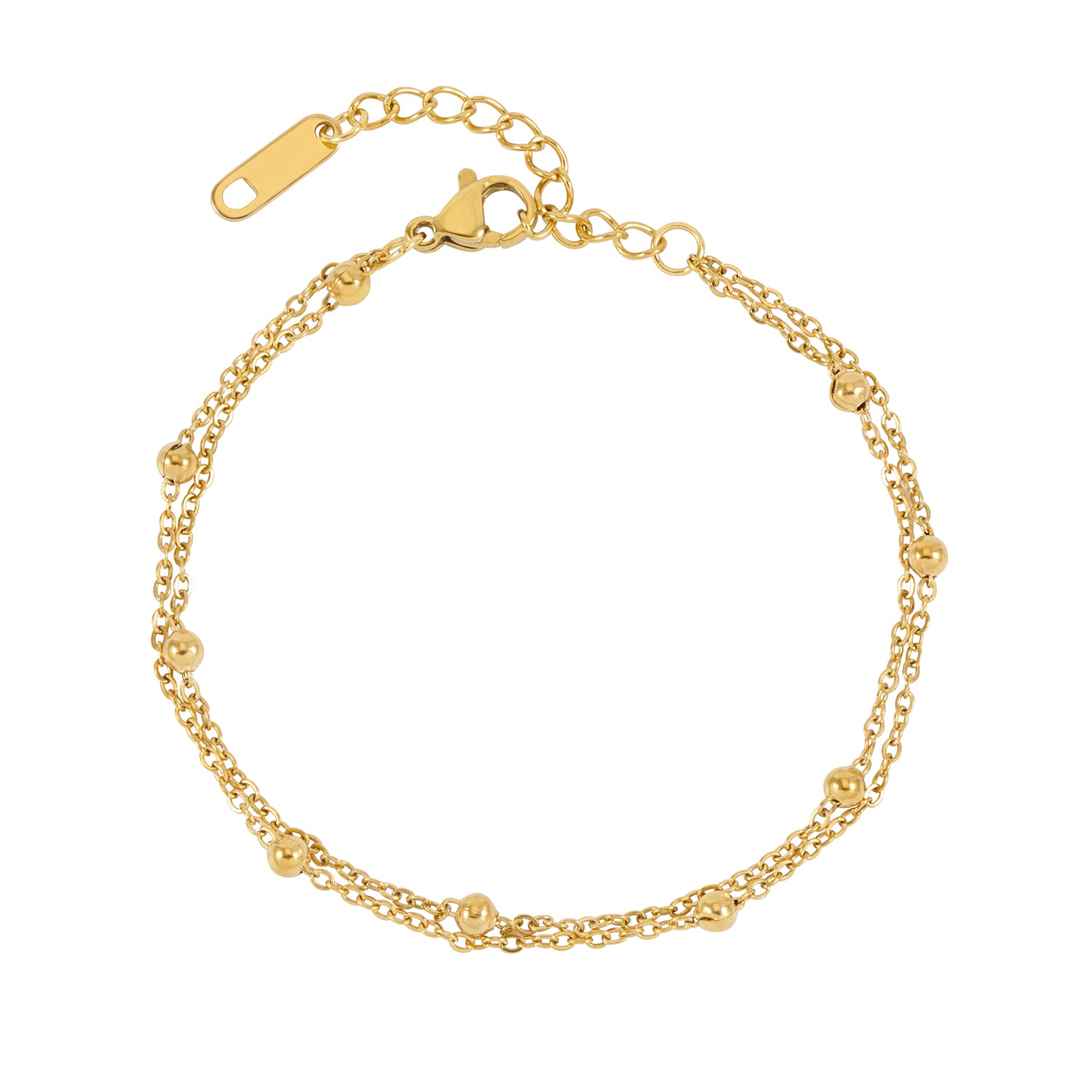
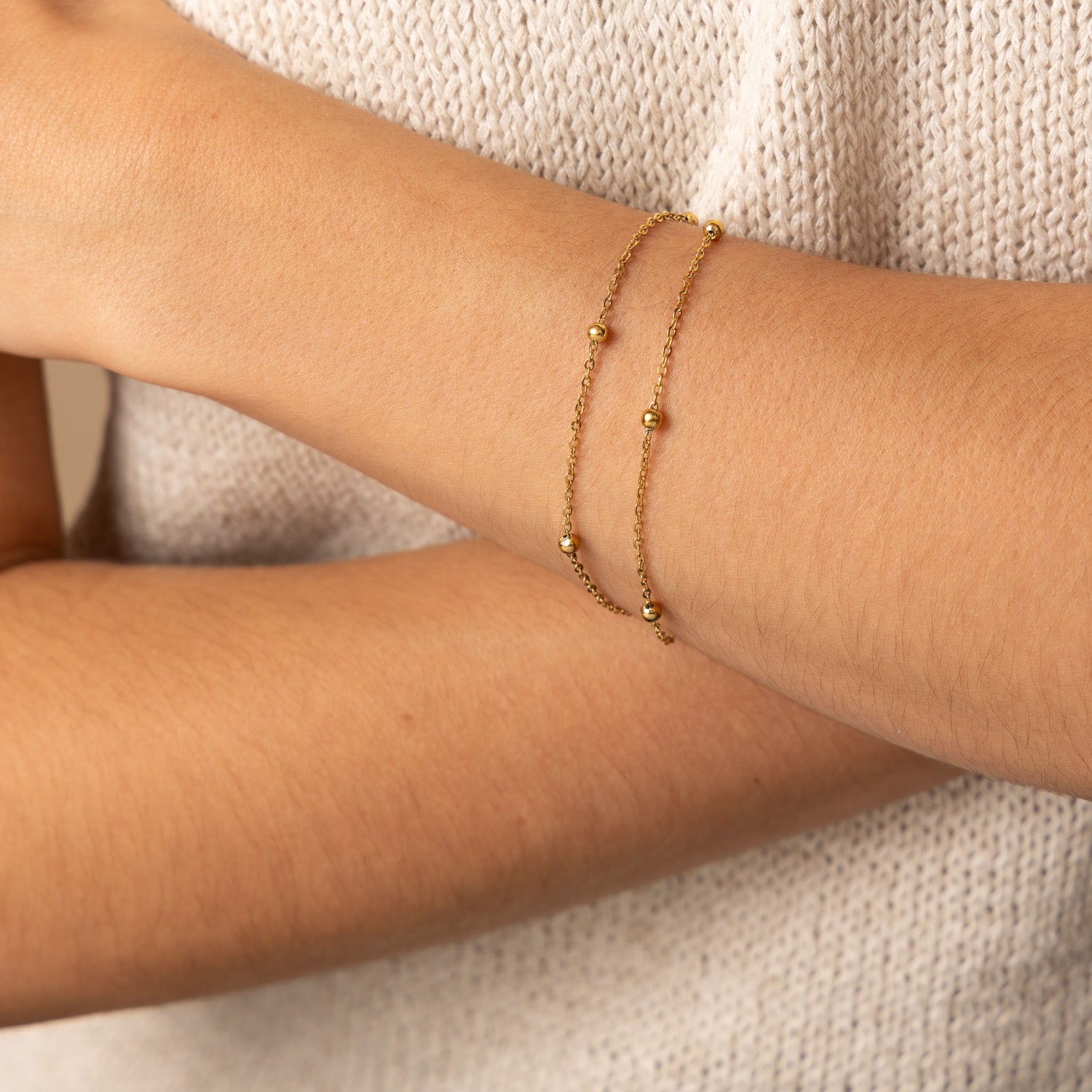
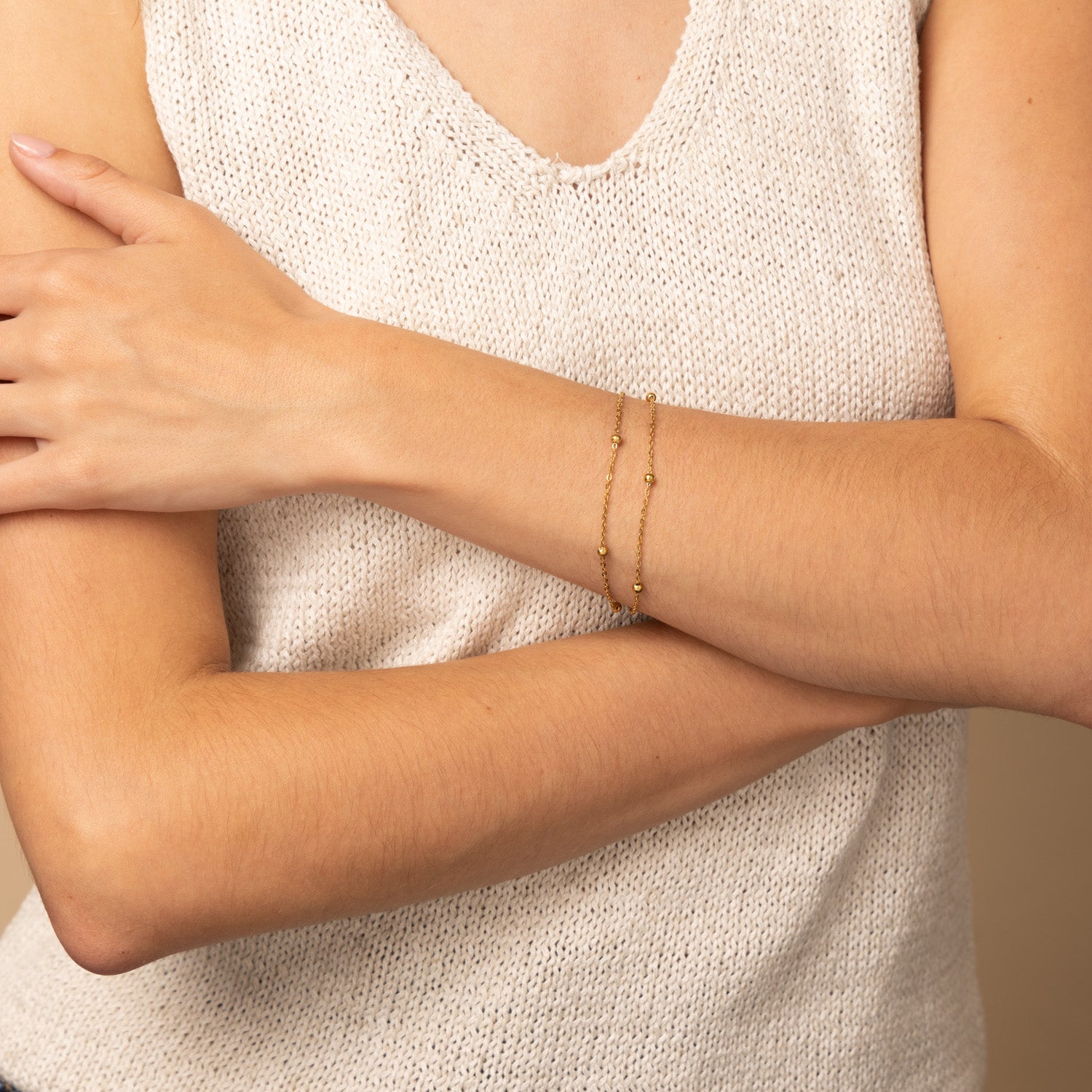
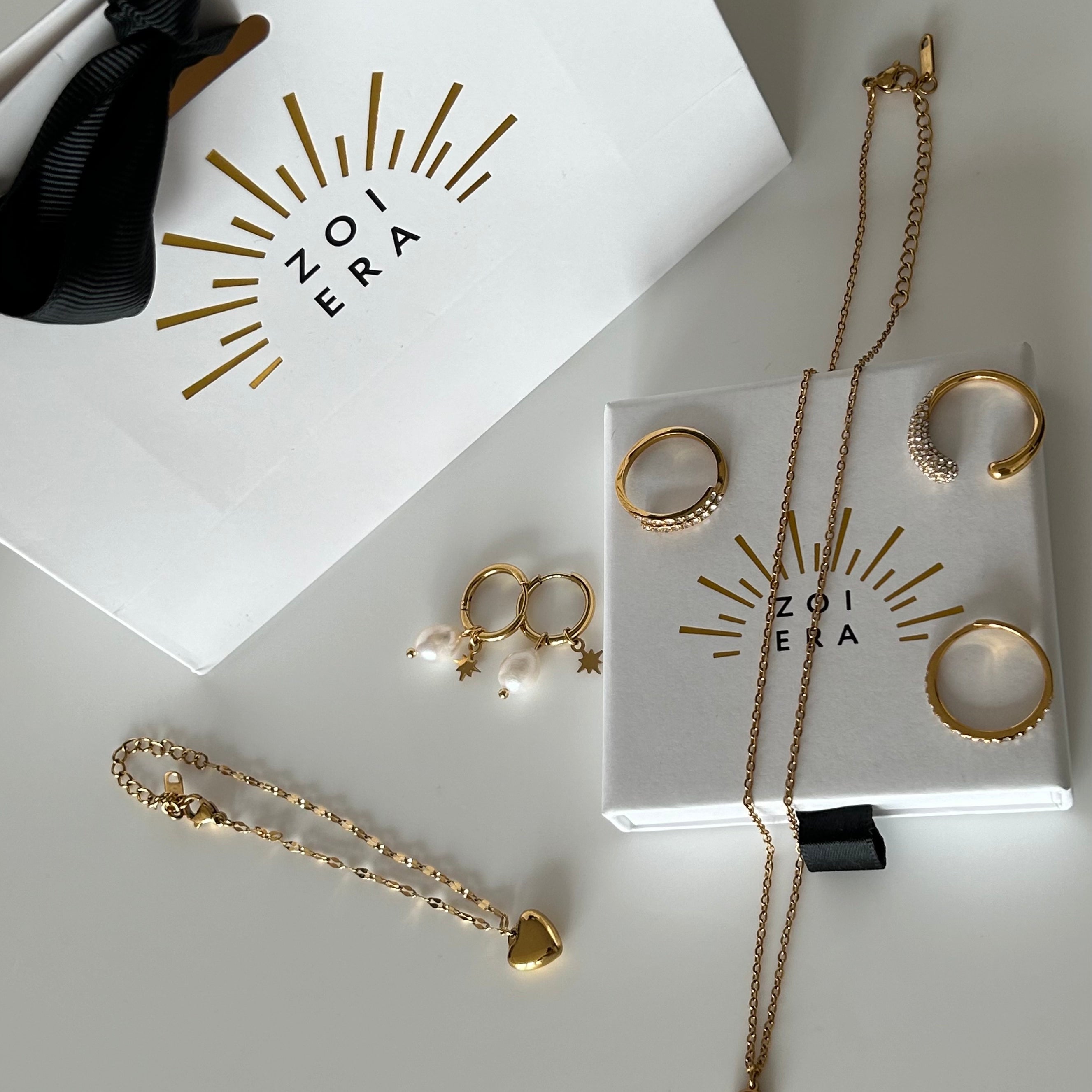
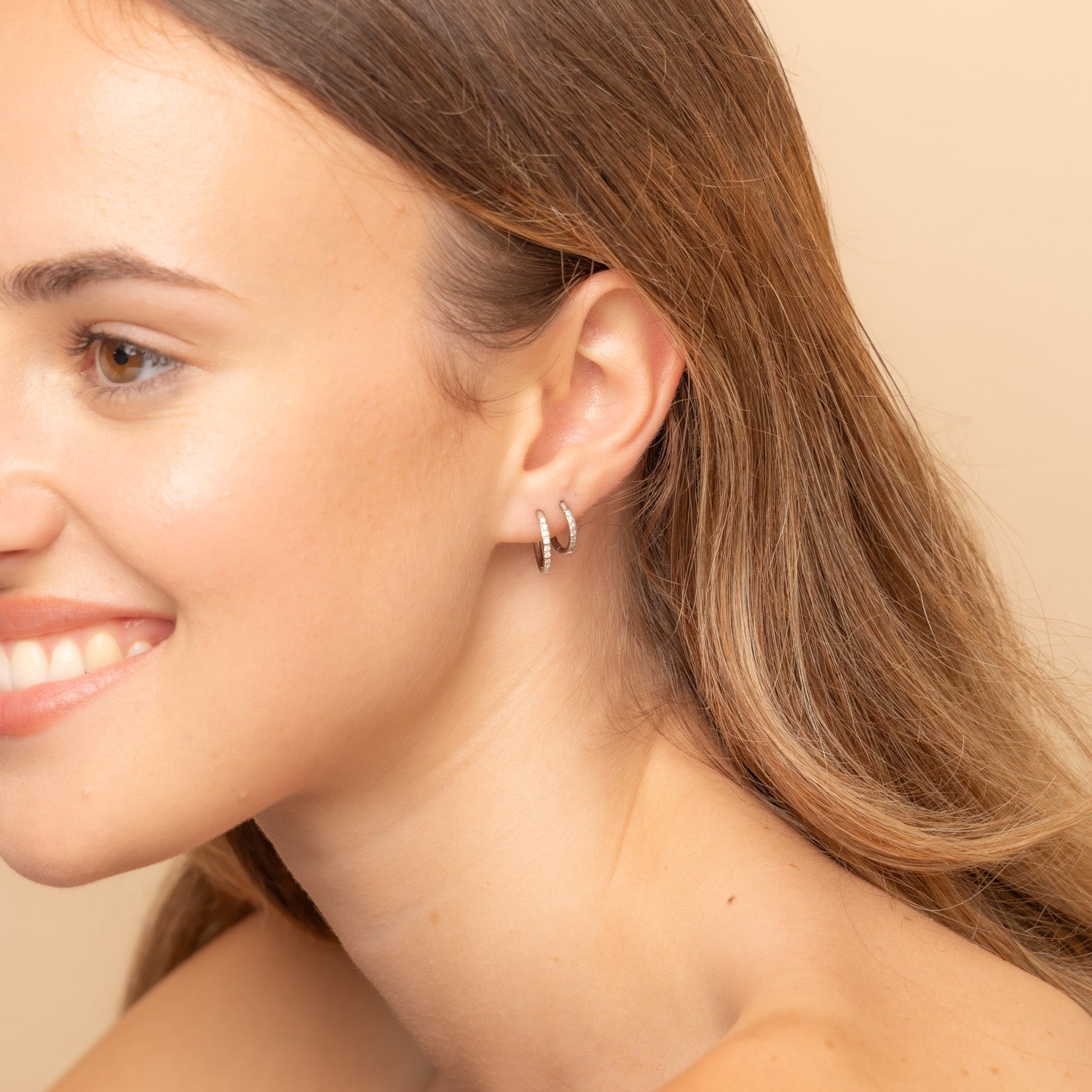
At Zoi Era, we focus on jewellery that fits naturally into everyday life.
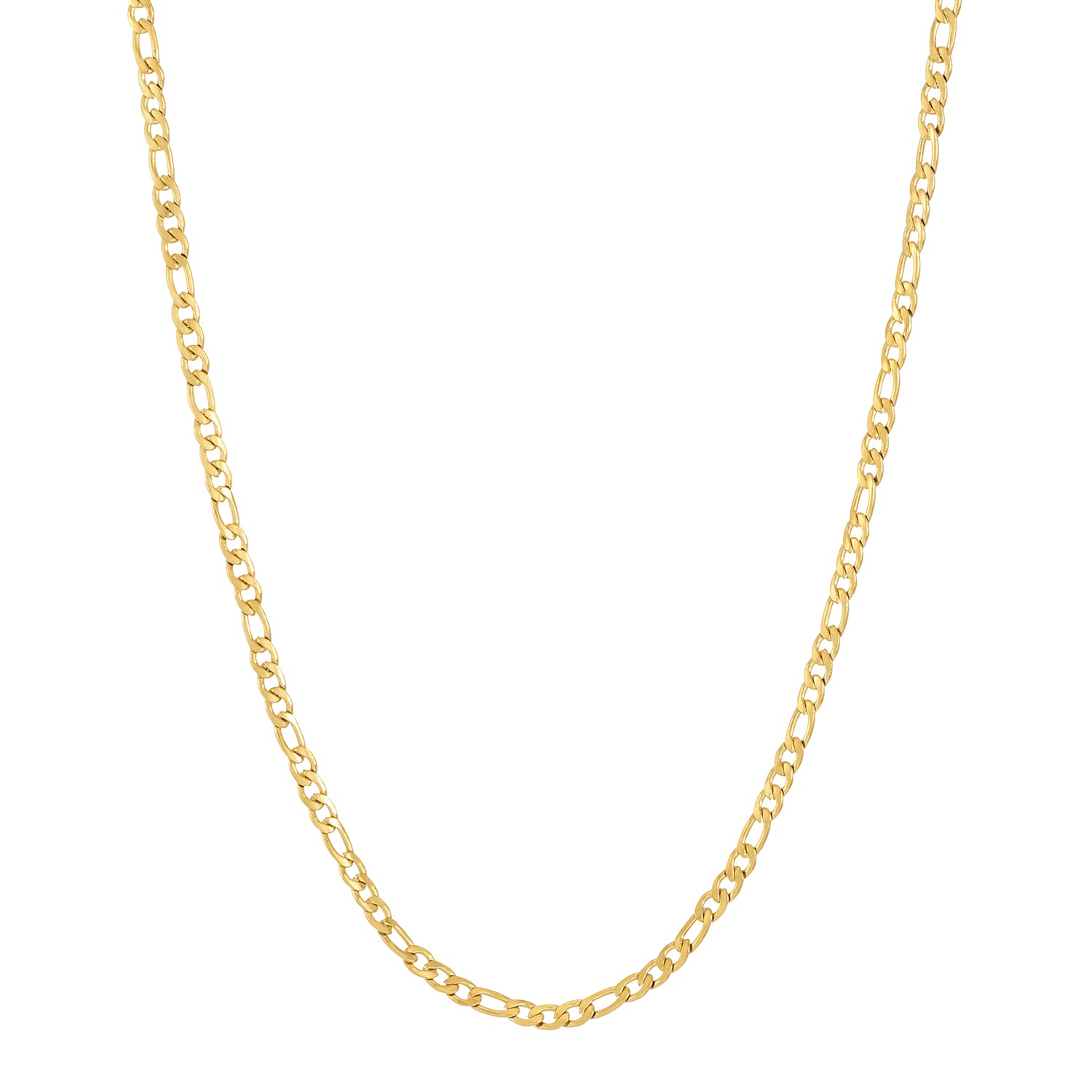
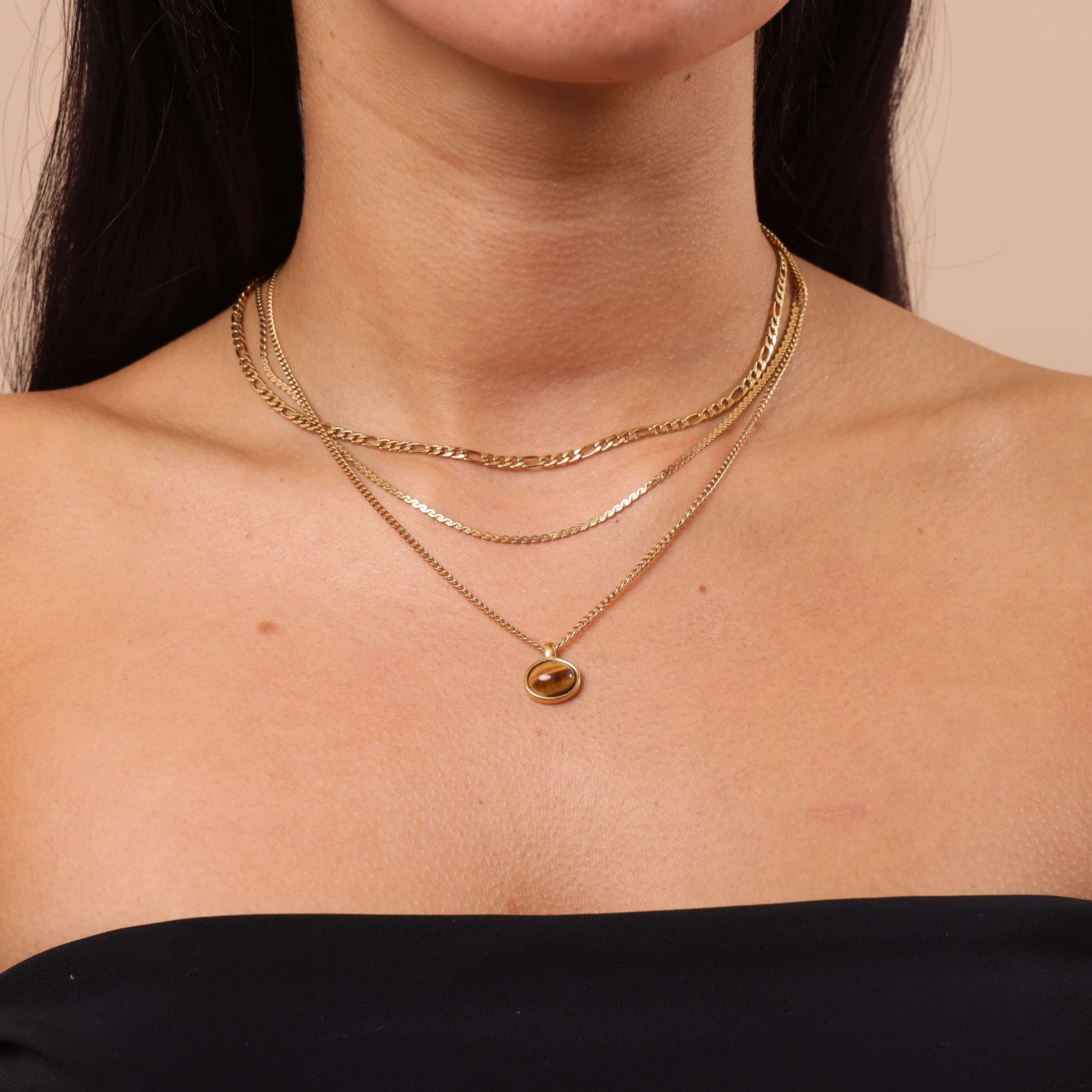
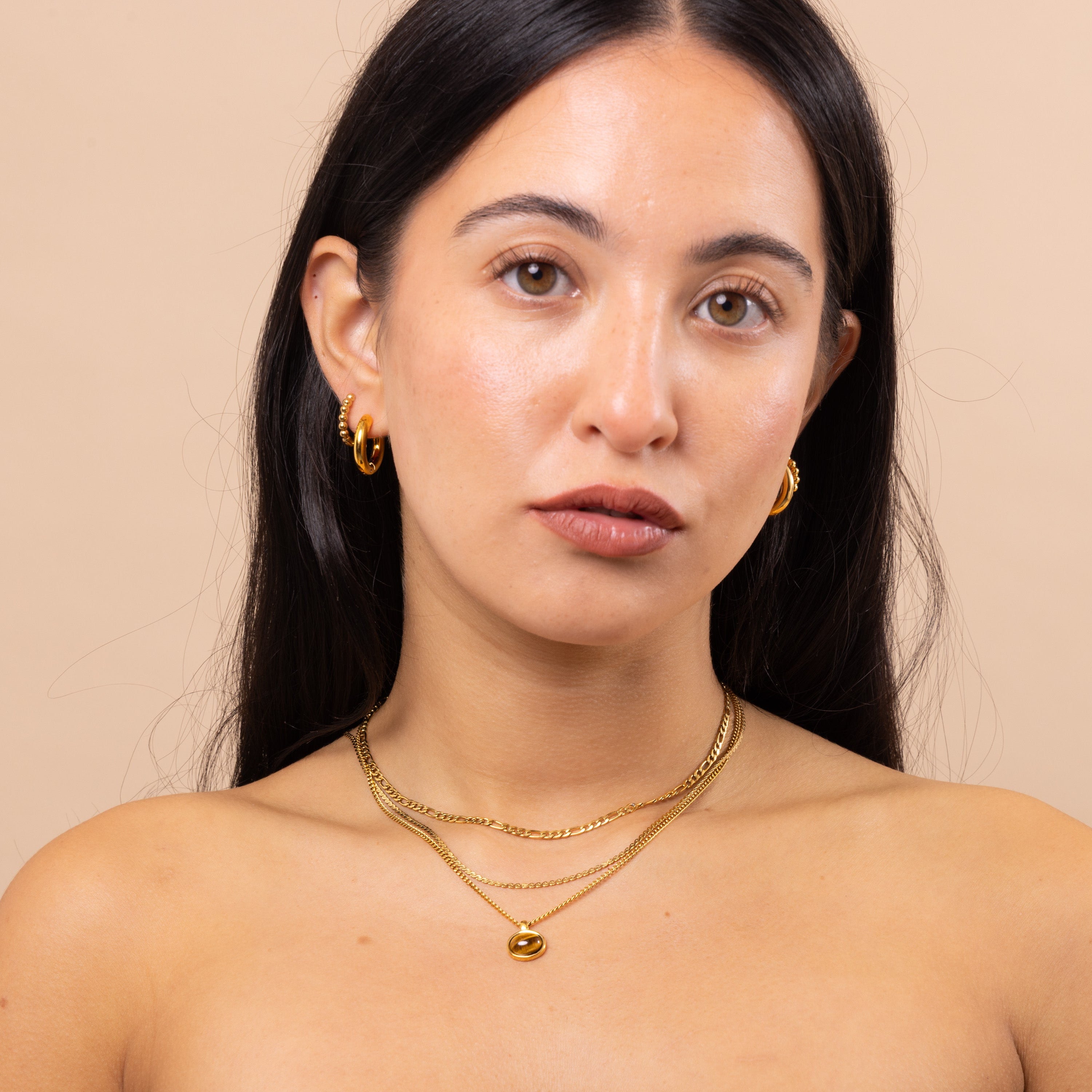
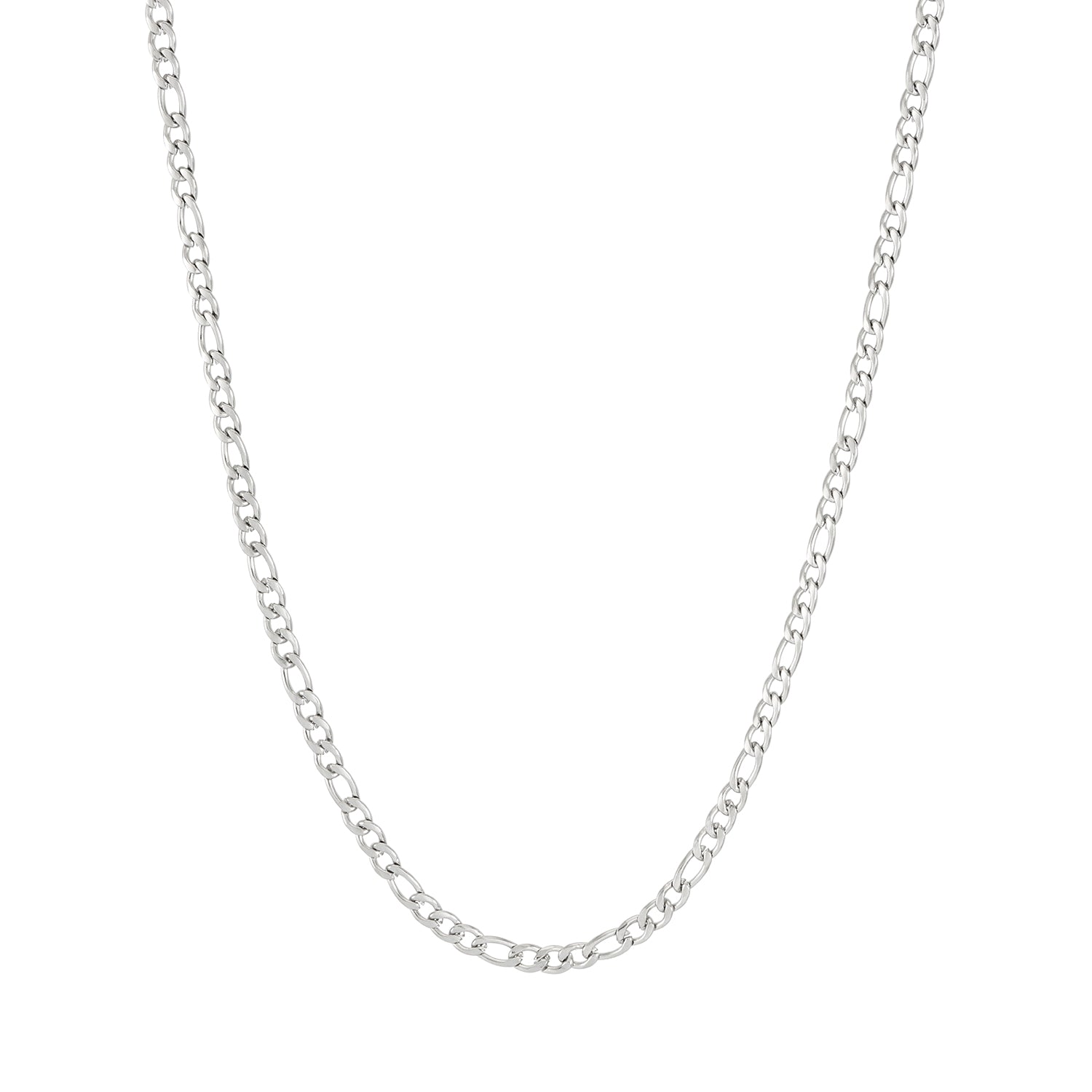
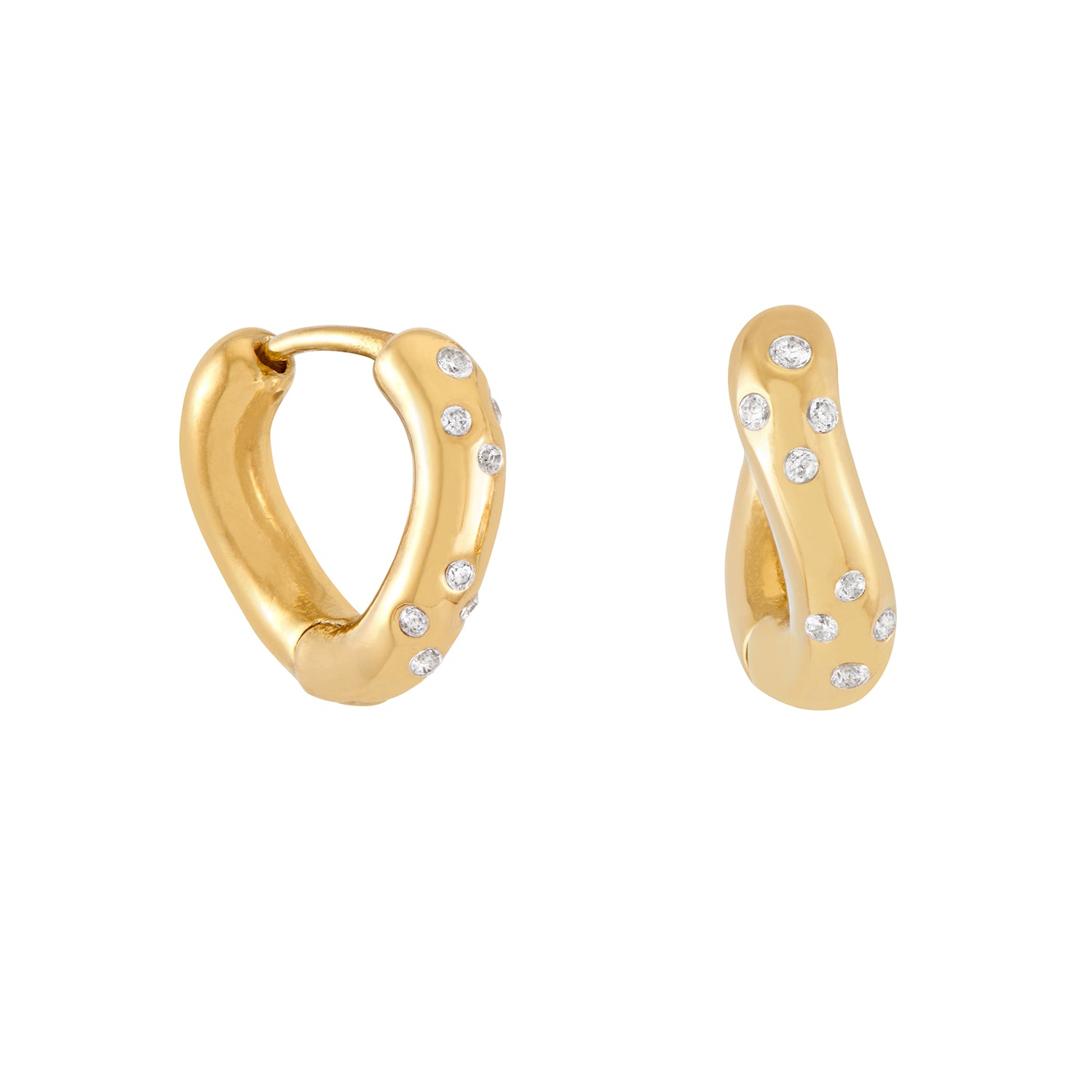
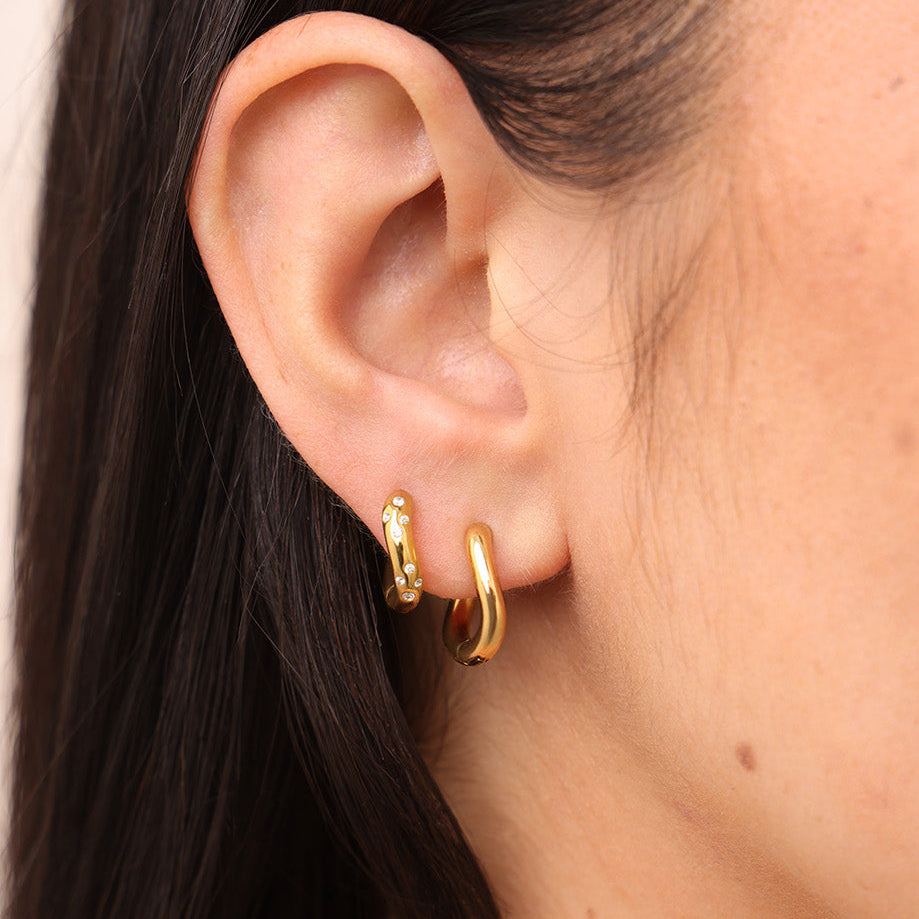
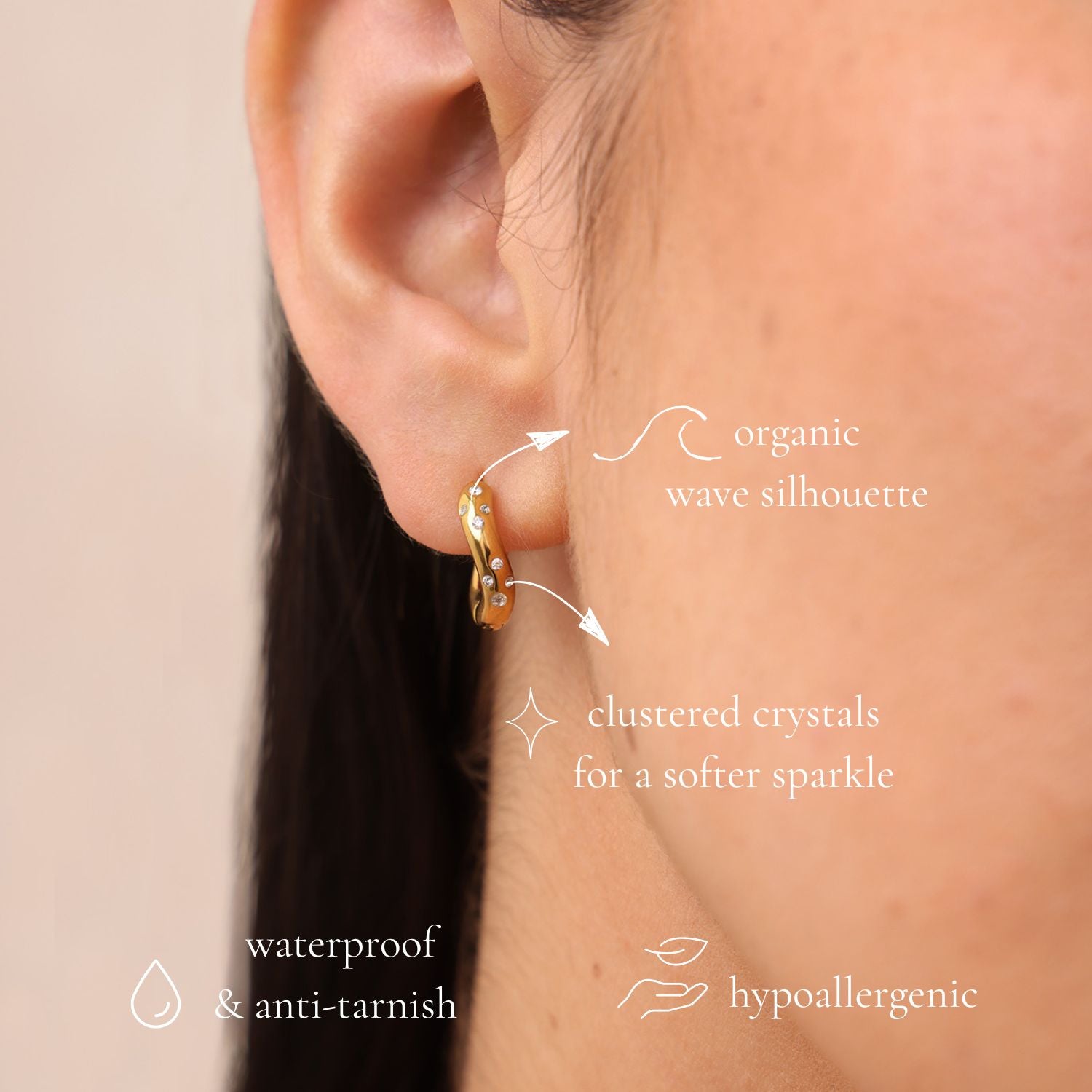
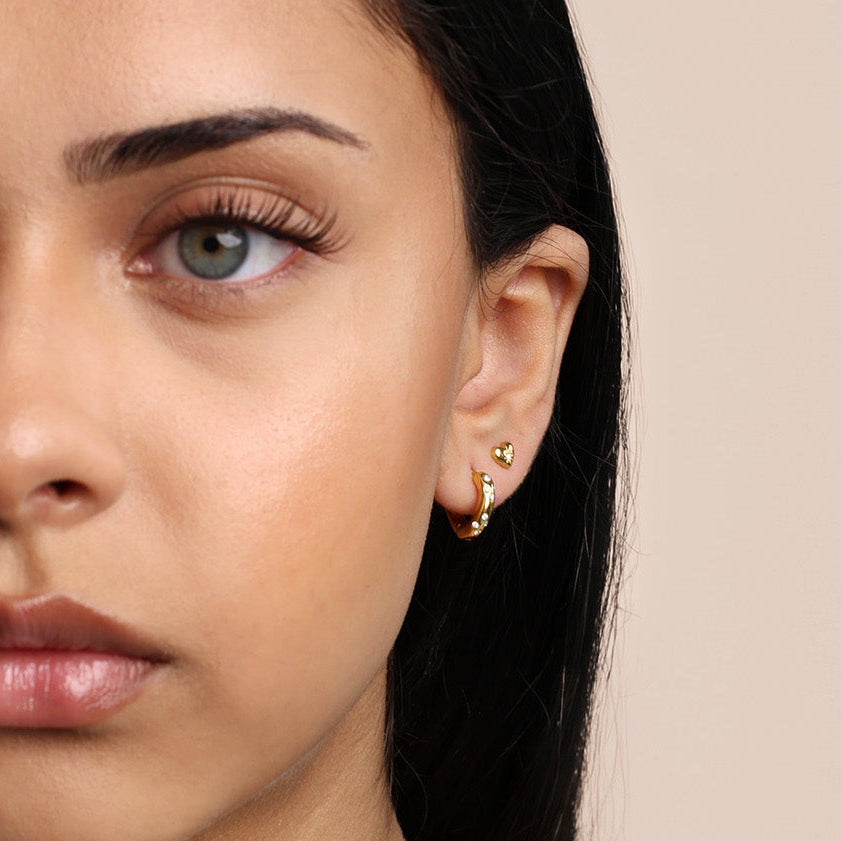
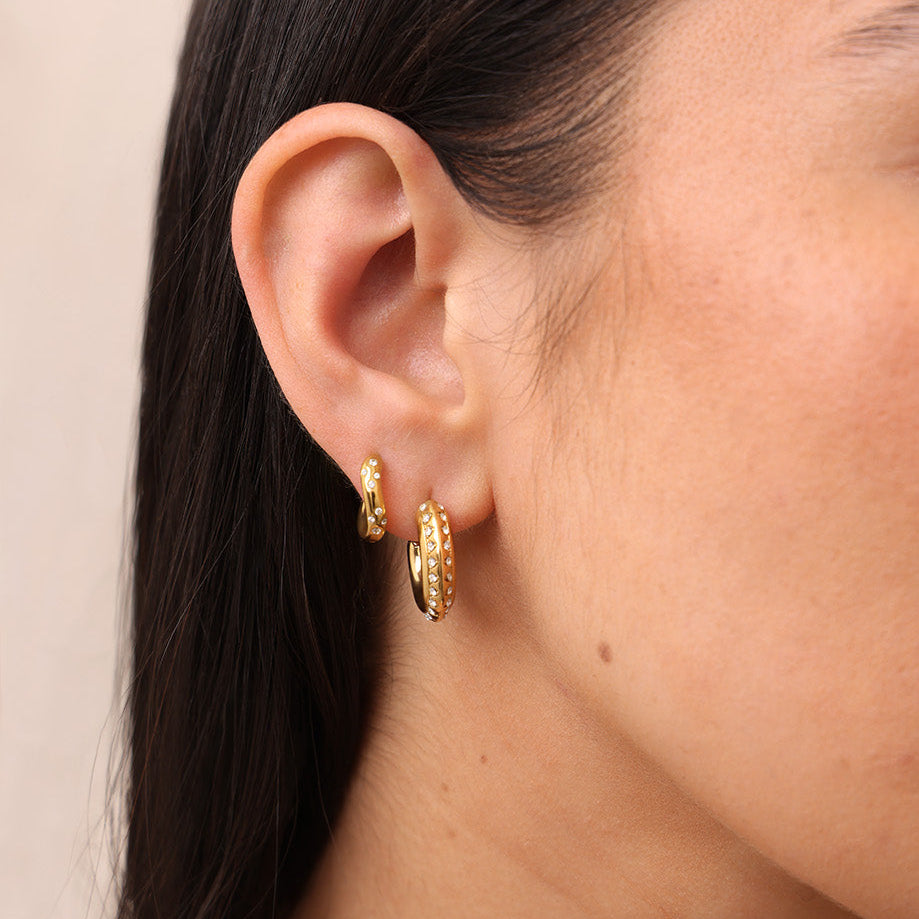
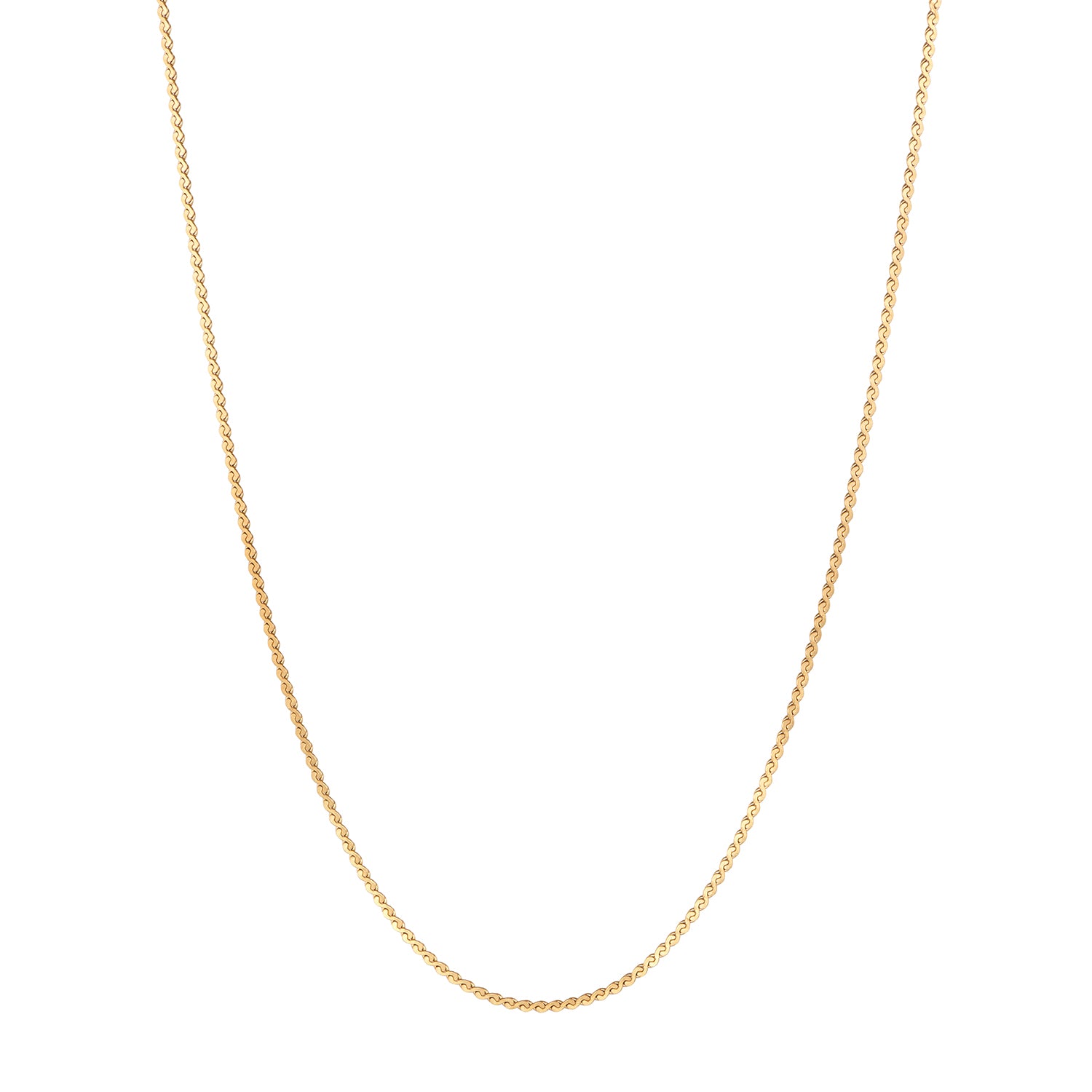
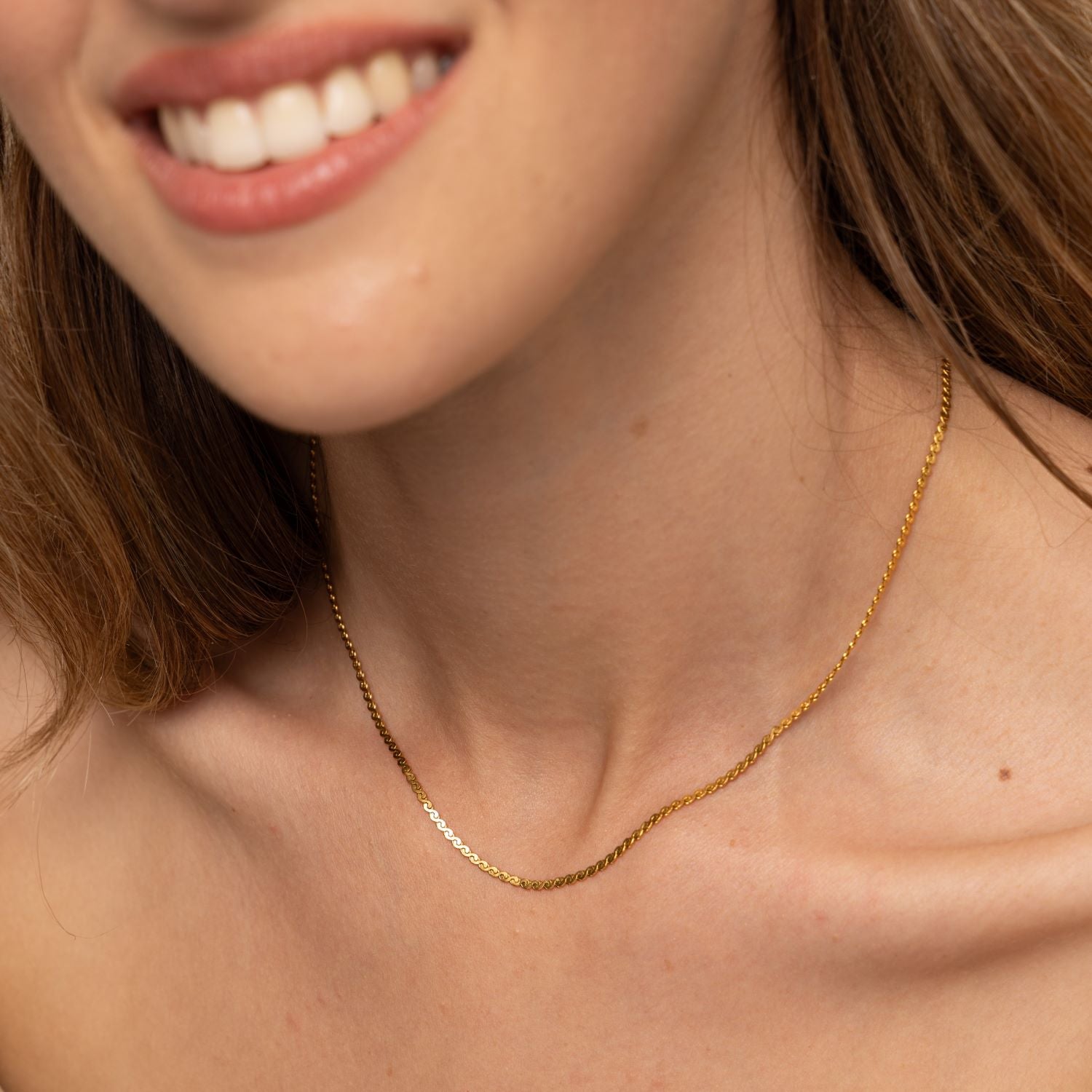
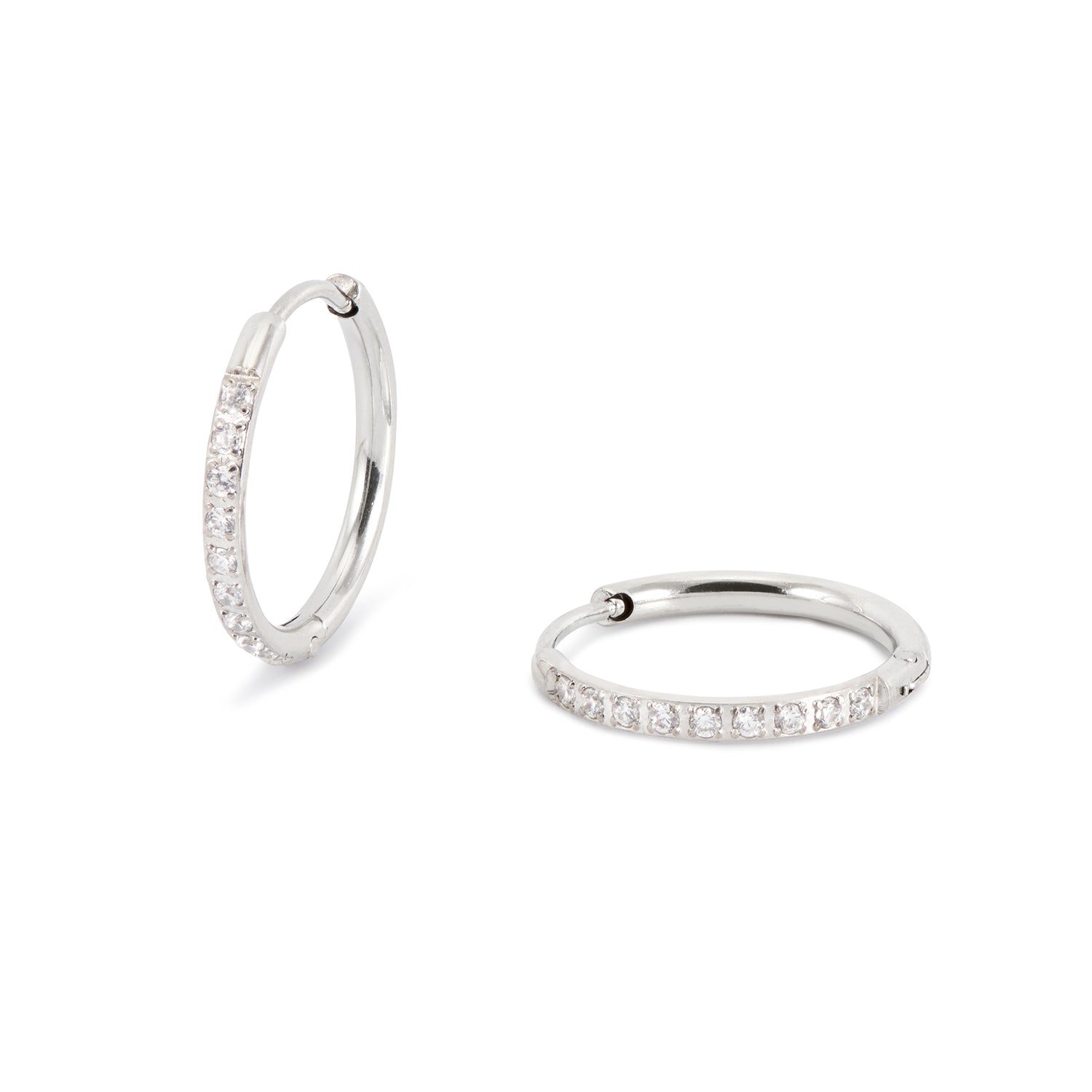
Our pieces are crafted from high quality stainless steel and finished with durable PVD gold plating, a combination chosen for its strength, stability and resistance to tarnishing.
Stainless steel provides a strong base metal, while PVD plating creates a durable surface coating that helps the jewellery maintain its colour and appearance with regular wear.
If you're curious about how stainless steel performs over time, you may also enjoy reading our guide Does Stainless Steel Jewellery Tarnish.



































Learn More About Everyday Jewellery
You might also find these guides helpful:
• Can You Wear Jewellery in the Sea?
• Can You Wear Jewellery in the Shower
• Does Stainless Steel Jewellery Tarnish
• What Does Waterproof Jewellery Really Mean
FAQs
Can chlorine damage jewellery?
Chlorine can react with certain metals over time, particularly jewellery made from softer metals or thin plating.
Is stainless steel safe to wear in the pool?
Stainless steel is naturally resistant to corrosion, which makes it more durable than many fashion jewellery metals when exposed to moisture.
Should I remove jewellery before swimming?
Some jewellery materials can react more easily with chlorine or salt water, particularly pieces made from softer metals or jewellery with very thin plating. For these types of jewellery, removing them before swimming can help preserve their appearance over time.
However, jewellery made from more durable materials is generally much better suited for everyday wear around water. Metals such as stainless steel and solid gold are known for their resistance to corrosion and are commonly used in jewellery designed to handle moisture and daily wear.
At Zoi Era, our jewellery is crafted from high quality stainless steel and finished with durable PVD gold plating. Stainless steel provides a strong and stable base metal, while PVD plating creates a resilient coating that helps maintain the jewellery’s colour and shine.
This combination allows our pieces to be worn comfortably as part of your everyday routine, including in environments where jewellery may occasionally come into contact with water.
What jewellery is best for everyday wear around water?
Durable materials such as stainless steel and solid gold are often chosen for jewellery designed to handle everyday exposure to moisture.